IBS (Intelligent Battery Sensor)
IBS, or Intelligent Battery Sensor, is the small unit clamped on a BMW's negative battery terminal that monitors battery condition and communicates it to the car's energy-management system.

What it means
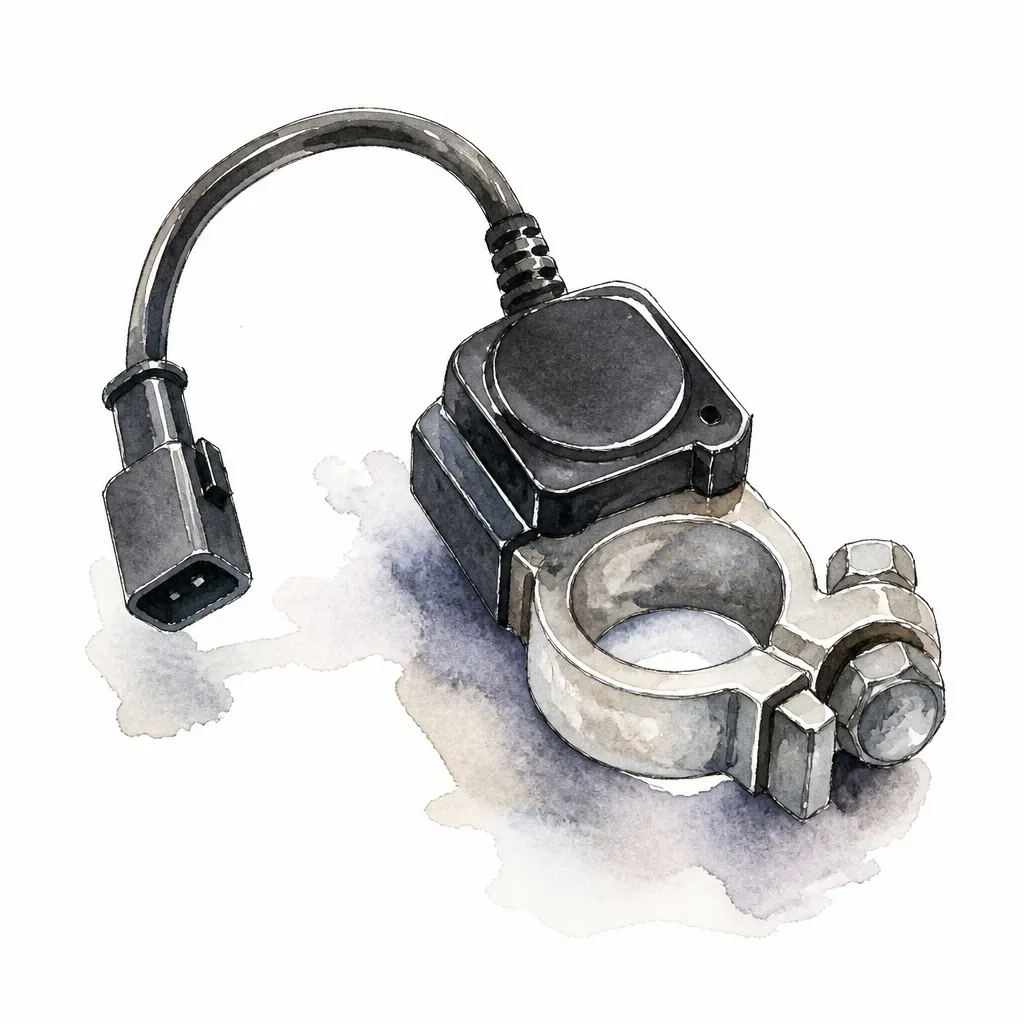
Modern BMWs do not just charge the battery with a standard regulator. They run an intelligent charging strategy where the alternator output and electrical load shedding are tuned to the battery's measured state of charge, age, and health. The IBS is what makes that possible: a small sensor on the negative terminal that continuously reports voltage, current, and temperature back to the energy-management module. When the battery is replaced, the new battery has to be registered to the car so the IBS knows it is starting fresh, otherwise the car continues to apply the old battery's charging profile and either undercharges (shortening life) or overcharges (also shortening life) the new one. Battery registration requires brand-specific tools. A generic battery swap at a non-BMW workshop, with no registration, is one of the most common reasons new batteries fail prematurely on BMWs.
Why it matters in Singapore
Singapore's tropical heat is already hard on car batteries. A BMW with an unregistered new battery in Singapore conditions can fail in 18 months instead of the expected 4 to 5 years. Getting the IBS registration done correctly at battery replacement is one of the cheapest, easiest pieces of European-car ownership knowledge that pays back almost immediately.

How Revol Carz handles this
Revol Carz Garage registers every new battery to the car using BMW handset tools as standard. We do not skip the IBS step. The cost is built into the battery service.