Ignition coil
An ignition coil is the electrical component that converts low-voltage current from the battery into the high-voltage spark needed to fire each spark plug.

What it means
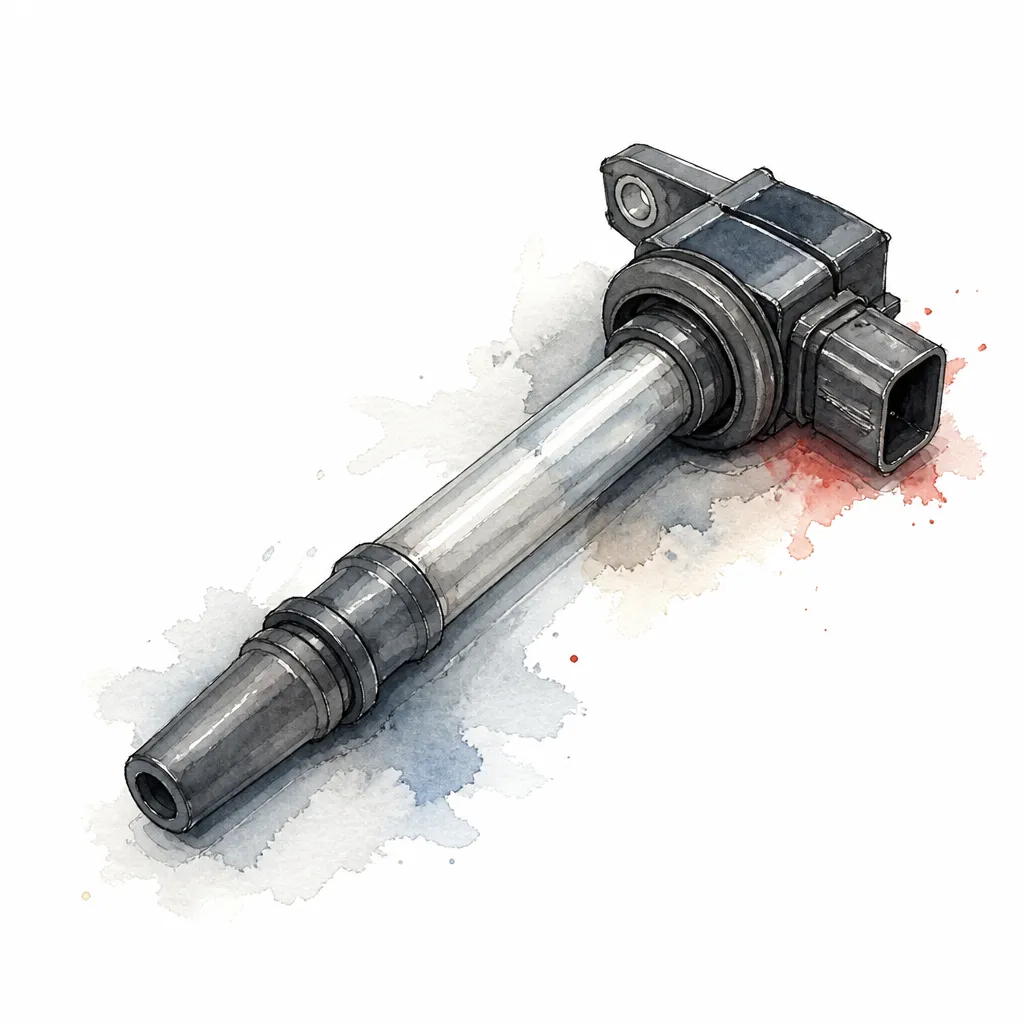
Most modern European cars use a coil-on-plug arrangement, where one ignition coil sits directly on top of each spark plug. Each coil receives a low-voltage signal from the ECU and steps it up to tens of thousands of volts to fire the plug. Coils are exposed to constant heat cycling and high voltage, which gradually degrades the internal windings. Failure usually happens between 100,000 and 150,000 km, often coil by coil rather than all at once. The symptoms are unmistakable: misfires (the engine stutters or hesitates), rough idling, a check engine light, and noticeable loss of power. The fix is to replace the failed coil with an OEM-spec replacement. On most engines, all coils are replaced at the same time once one or two have failed, since the others are usually close behind.
Why it matters in Singapore
European cars in Singapore are particularly prone to ignition-coil failure because of heat and humidity. Coils that might last 200,000 km in a temperate climate can fail well before 100,000 km here. Diagnosing a misfire correctly the first time, rather than chasing spark plugs, fuel injectors, or ECU faults, saves owners both money and downtime.

How Revol Carz handles this
Revol Carz Garage diagnoses misfires with brand-specific scan tools and replaces failed coils with OEM parts as standing policy. Where multiple coils are showing weakness, we recommend replacing all at once to avoid a return visit.