Orange peel
Orange peel is the dimpled, textured finish on a sprayed panel that resembles the skin of an orange, caused by paint that flowed unevenly before curing.

What it means
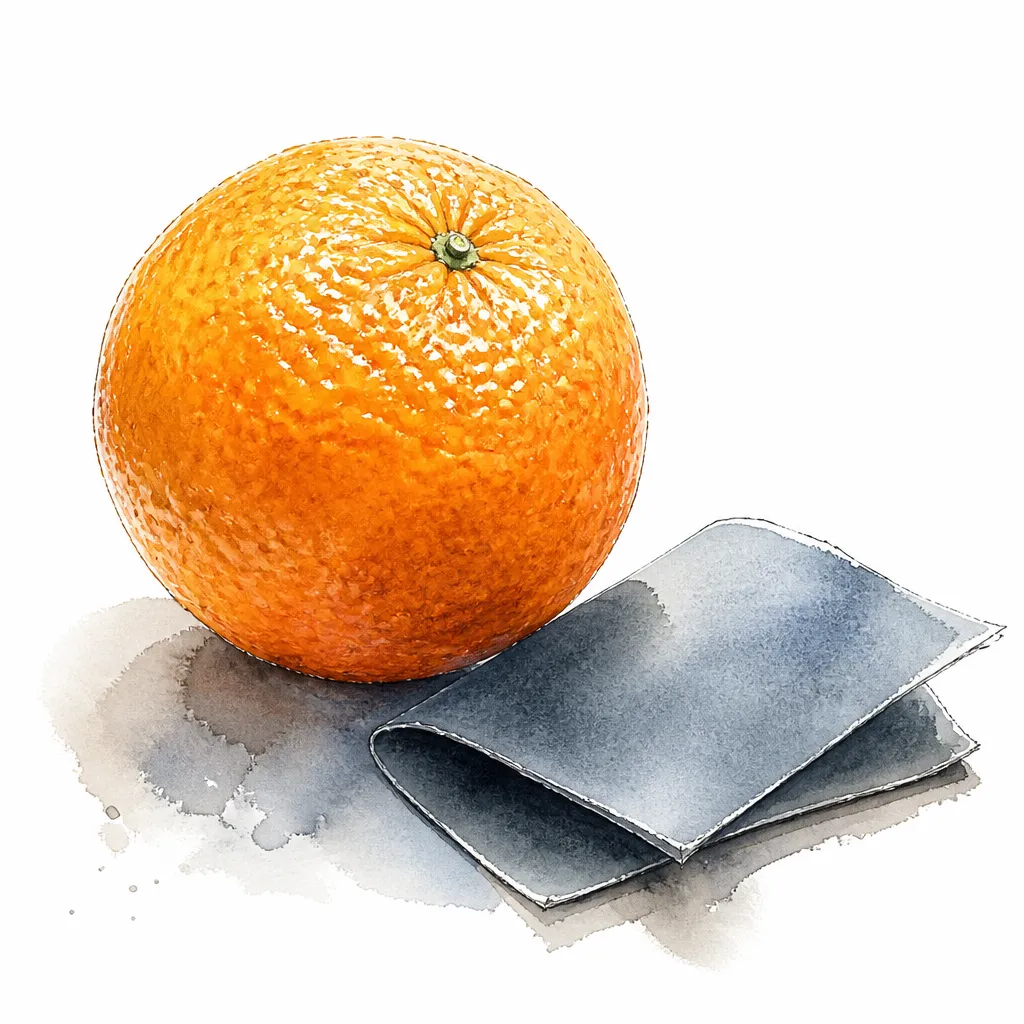
Orange peel forms when sprayed paint does not have enough time to flow level before it sets. The droplets land on the panel, partially merge, then freeze in their half-merged state. The result is a finish that catches light unevenly: not flat, not glossy, with tiny peaks and valleys visible under direct sunlight. Causes include incorrect spray-gun pressure, wrong reducer for ambient temperature, paint applied too thick, panel temperature too cold, or a low-quality clear coat that lacks flow agents. Mild orange peel is normal even on factory paint and can sometimes be polished out. Severe orange peel requires wet sanding and a fresh clear coat. It is one of the most reliable visual giveaways of a substandard spray job.
Why it matters in Singapore
Singapore's humidity and warm ambient temperatures change how paint flashes off and flows. A workshop running the wrong reducer for the conditions, or spraying in an unfiltered open bay, will produce orange peel that an owner notices the first sunny morning. Choosing a bodyshop that sprays in a climate-controlled booth and uses Spies Hecker formulations matched to local conditions is the most reliable way to avoid it.

How Revol Carz handles this
Revol Carz sprays every job in our Italian Saima dust-free booth with Spies Hecker paint mixed to local conditions, oven-baked for full cure. The result is a flat, level finish that matches factory clear coat quality. If we ever spot orange peel on a panel pre-handover, we cut and polish before the car leaves.