Paint code
A paint code is the manufacturer's identifier for a car's exact factory colour, found on a build plate or sticker and used to mix an accurate match.

What it means
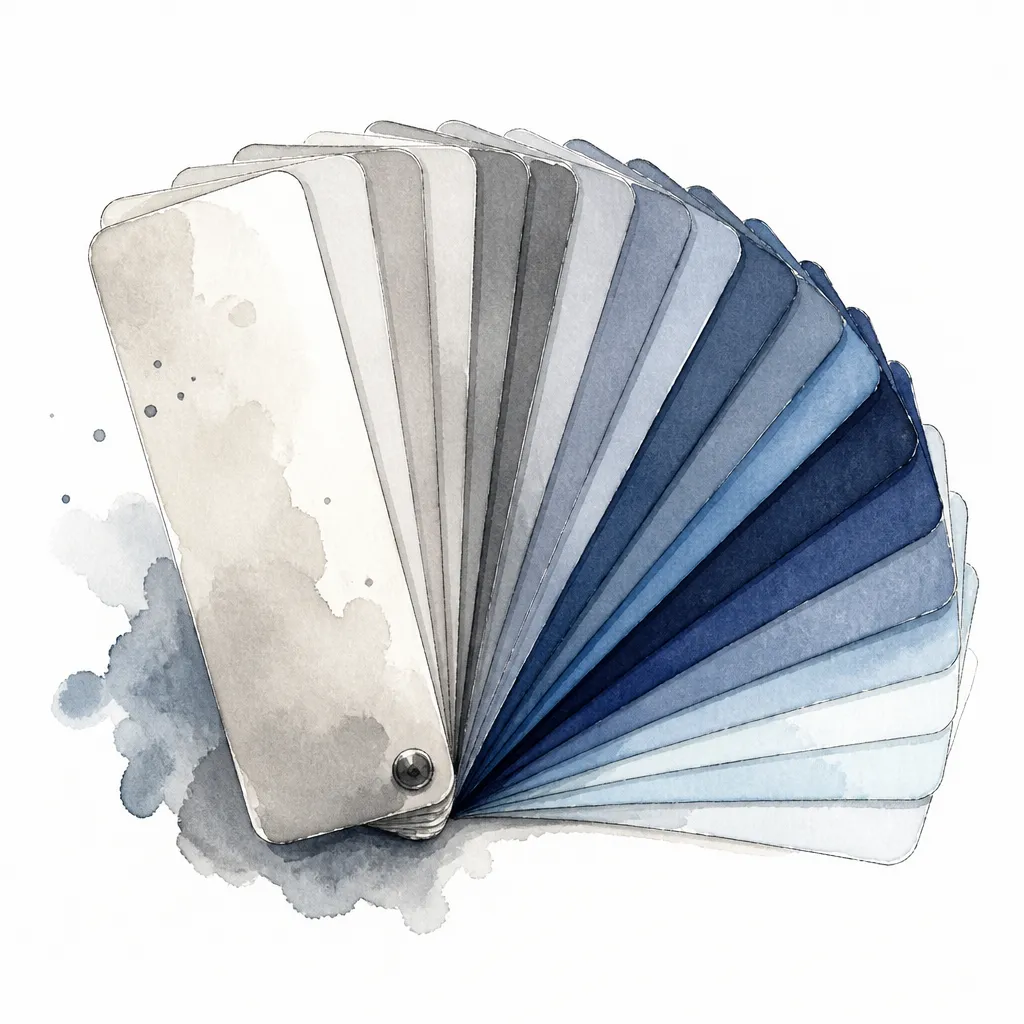
Car makers offer dozens of colours, and many of them look almost identical to the eye. A name like "white" or "silver" is not enough to mix paint accurately, so every factory colour is given a paint code: a short string of letters or numbers that points to one exact formula. The code is printed on a small plate or sticker somewhere on the car, often in the engine bay, on a door jamb, inside the boot, or under the bonnet, alongside the VIN and other build data. A painter reads that code, looks up the matching formula in the paint supplier's system, and mixes the colour from base tints. The catch is that the code gives the original factory formula, not the colour the car wears today. Years of sun and weather shift a finish away from its starting point, so the code is a starting reference, not the final answer.
Why it matters in Singapore
Singapore's sun is intense and year-round, and a car here fades faster than the same car in a cooler climate. That means the paint code formula, mixed exactly, will often look slightly off against a sun-aged panel. A good Singapore workshop uses the code to get close, then adjusts the mix against the actual car and blends into neighbouring panels so the repair disappears. Knowing the code also helps for parallel imports and grey-market cars, where the colour name on paper may not tell the full story.

How Revol Carz handles this
Revol Carz starts from the car's paint code, then uses computerised colour matching at our Toh Guan facility to fine-tune the mix against the vehicle as it is today, allowing for fade and age. Spies Hecker tints are mixed to the adjusted formula and sprayed in our Italian Saima dust-free booth. Owners get WhatsApp updates as the job moves through each stage.