Paint sag
A paint sag, also called a paint run, is a vertical drip in the wet paint film that forms when the painter applies a coat too thick before the previous coat has flashed off.

What it means
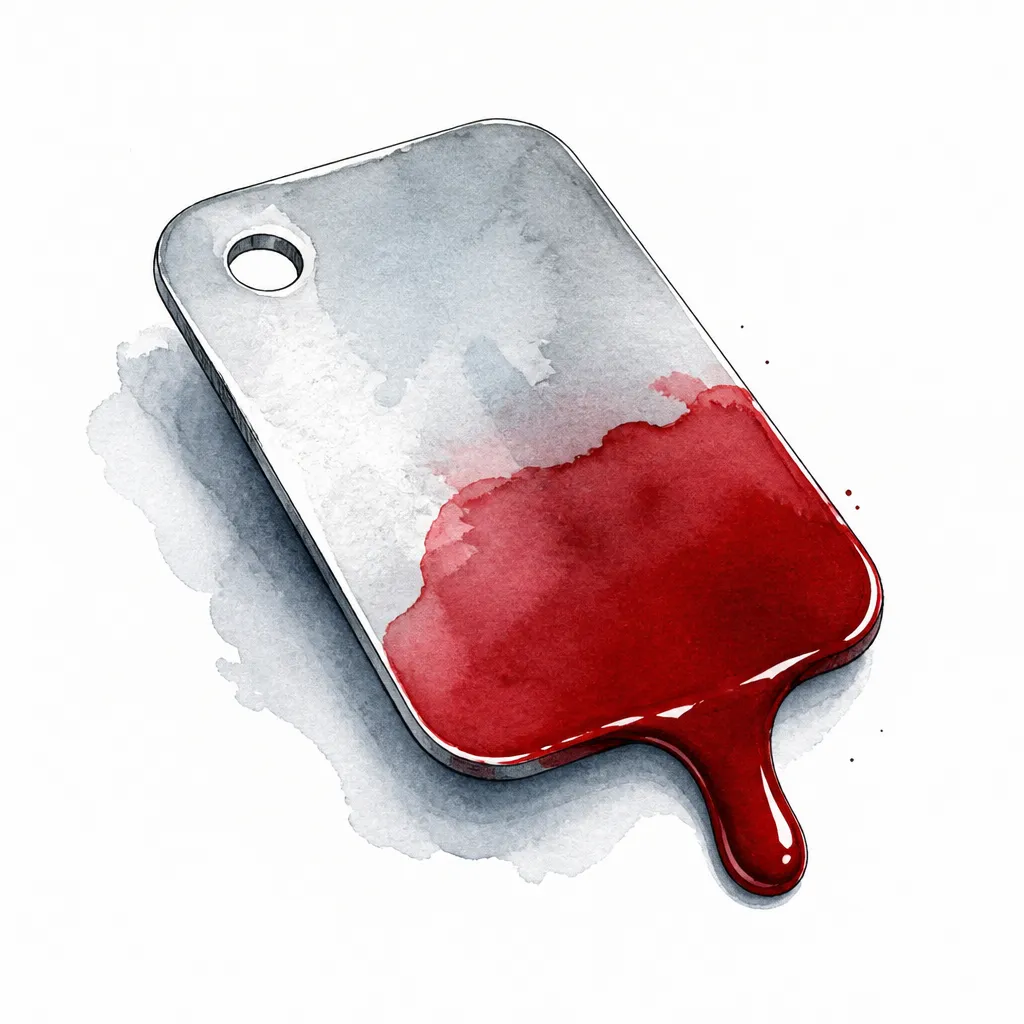
Paint sag happens when gravity wins over paint surface tension. The painter applies a wet coat, the paint piles up enough to flow downward under its own weight, and a tear-shaped drip forms before the paint cures. Once cured, sags are immediately visible and require fixing: the cured drip is wet-sanded back to a flat surface, then the panel is re-sprayed and re-cleared. Sags usually trace back to the painter applying coats too thick to save time, using the wrong reducer for ambient temperature (paint stays wet too long), spraying with the gun too close to the panel, or trying to spray in poor lighting where the developing sag is not visible. Sags on a delivered car are the bodyshop equivalent of a typo on a printed page: small, easy to miss when rushing, impossible to ignore once seen.
Why it matters in Singapore
Singapore's warm and humid conditions make wet paint flow longer than it would in cooler climates, which raises the sag risk for a workshop that has not adjusted reducer, gun setup, and coat thickness for local conditions. Sags also show up disproportionately on vertical panels, doors and quarters, which is exactly where most owners look first when collecting their car.

How Revol Carz handles this
Revol Carz sprays in multiple thin passes inside our Italian Saima dust-free booth, with our painters working in controlled overhead light that surfaces sags before they cure. We adjust reducer and gun setup for the day's conditions, not the lab spec. If a sag does form, we cut it back, respray, and re-clear before handover.