Two-stage paint correction
Two-stage paint correction is a machine polishing process that runs a cutting stage to remove defects, then a refining stage to clear the haze and restore gloss.

What it means
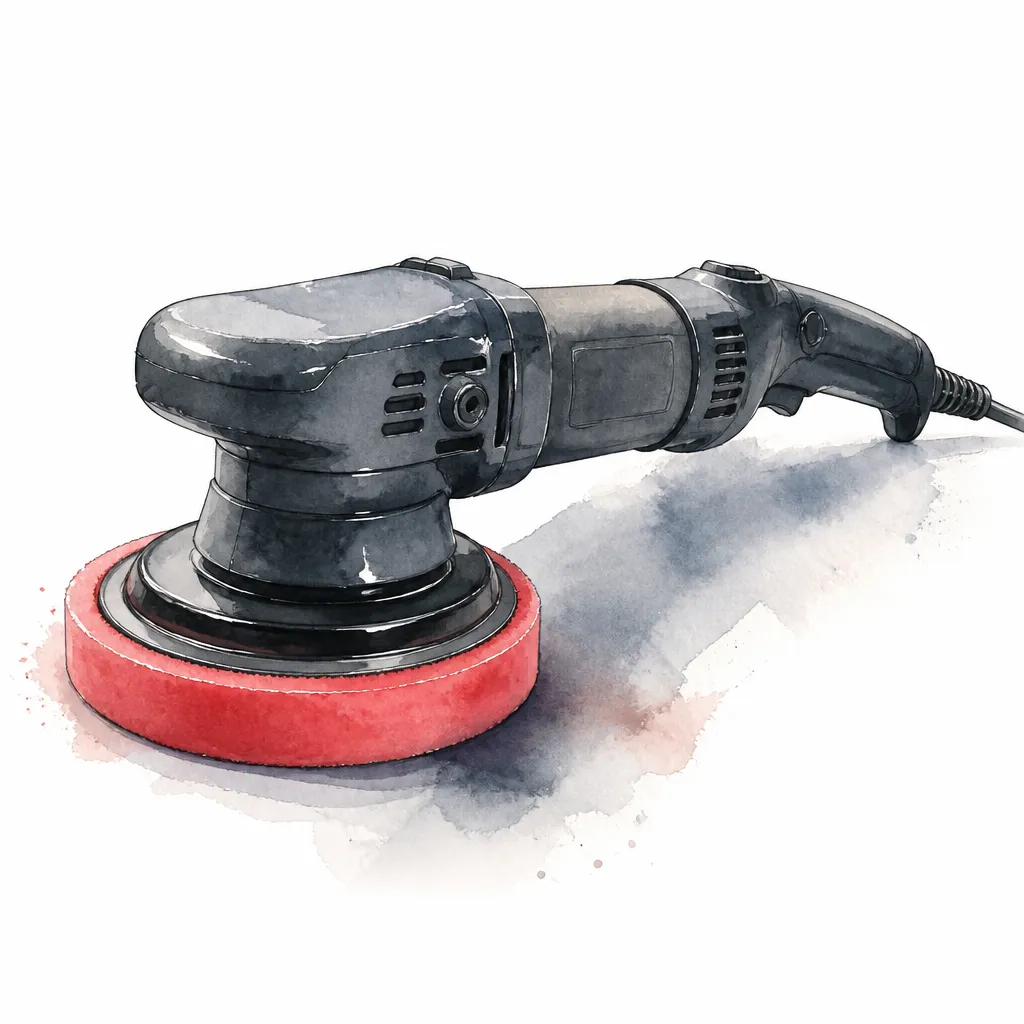
Two-stage paint correction means the paint is machine polished in two distinct steps. The first is a cutting or compounding stage: a coarser pad and an abrasive compound level the clear coat enough to remove deeper defects such as scratches, heavy swirl marks, and stubborn marring. Cutting works fast but leaves its own fine haze on the surface. The second is a polishing or refining stage: a softer pad and a finer polish erase that haze and bring the clarity and gloss back to a high standard. Running both stages gives a much higher level of defect removal than a single pass can. It is the standard approach when a car needs serious correction, and it is the usual prep before a ceramic coating, since the coating seals whatever finish sits underneath it.
Why it matters in Singapore
Cars here pick up defects quickly. Intense daily UV, humidity above 80 percent, and frequent washes all wear the clear coat, and dense traffic means more contact marks and parking scuffs. By the time many owners look closely, the paint carries layers of swirl marks that a light polish cannot lift. Two-stage correction restores a finish properly before a coating goes on, which protects long-term gloss and resale value.

How Revol Carz handles this
Revol Carz inspects the paint under focused lighting and measures clear coat thickness before choosing pad and compound combinations. The cutting stage removes the defects, the refining stage clears the haze, and the result is checked again under inspection lighting. When the finish is right, we can layer a ZeTough coating over it so the corrected paint stays protected.