VOC (volatile organic compounds)
VOCs are the solvents that evaporate from automotive paint during spraying and curing, regulated for health and environmental reasons and the reason waterborne and low-VOC products exist.

What it means
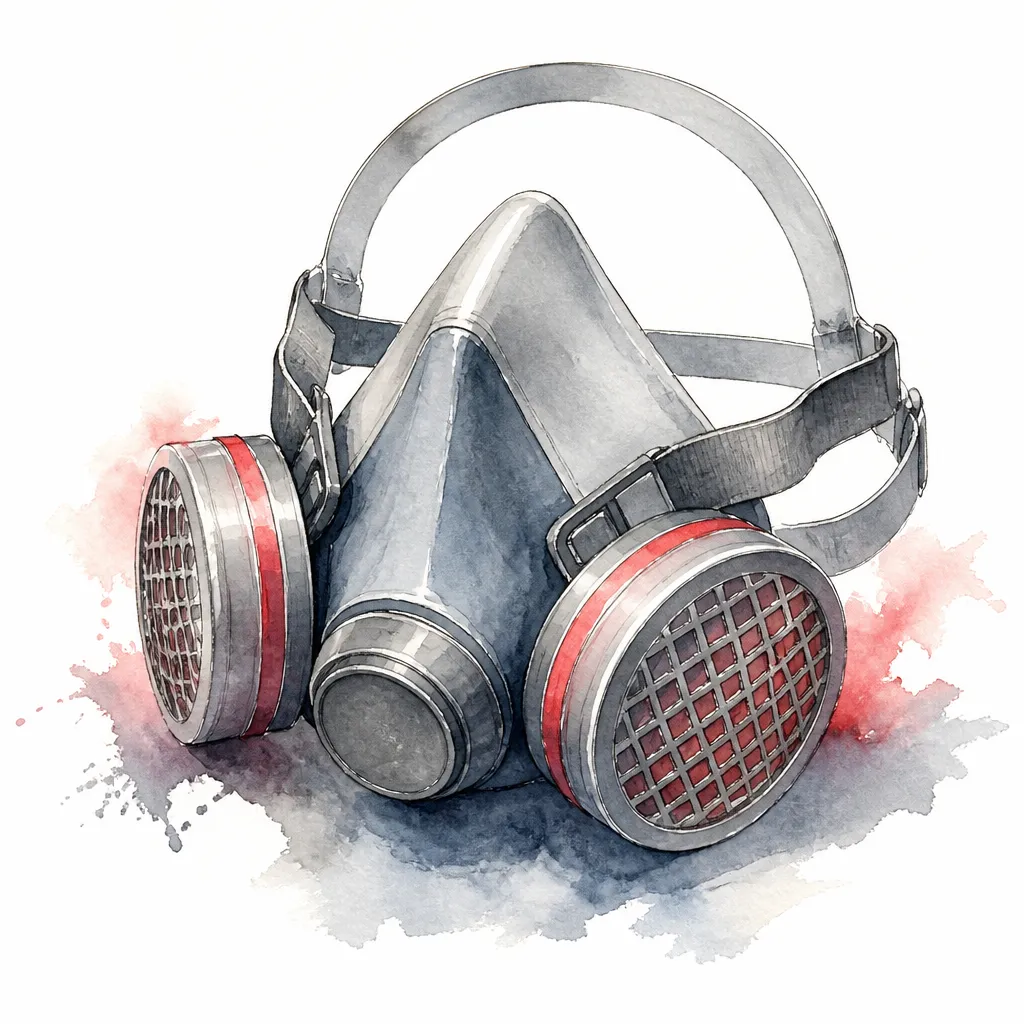
Volatile organic compounds are the carrier solvents and reactive thinners in many paint products. They keep the paint liquid and sprayable, then evaporate as the coating flashes off and cures, leaving the pigment and resin behind on the panel. Traditional solvent-based primers, base coats, and clears can carry a high VOC load, which is why a spray booth needs strong extraction and why painters wear respirators. Waterborne base coats and low-VOC clears were developed to cut that load: they replace much of the solvent with water or use higher-solids chemistry, so far less organic vapour is released per litre sprayed. VOC content is measured in grams per litre and is a standard line on a modern paint product's technical data sheet.
Why it matters in Singapore
Singapore's National Environment Agency regulates VOC content in paints and coatings, and bodyshops here operate under those limits alongside workplace health rules on solvent exposure. For a car owner this mostly shows up indirectly: a reputable shop uses compliant, lower-VOC products, ventilates properly, and cures paint fully so that off-gassing finishes before the car is handed back. In our warm, humid climate, solvent flash-off behaves differently from a temperate workshop, so VOC chemistry is one of the variables a painter has to manage to get an even, defect-free finish.

How Revol Carz handles this
Revol Carz sprays Spies Hecker products in our Italian Saima dust-free booth at Toh Guan, with extraction and oven-baked curing built into the process so solvents flash off and cure under controlled conditions rather than in the open. Using a professional paint system with documented VOC levels means each job is consistent and compliant, and owners get WhatsApp updates while their car cures fully before collection.