ABS (Anti-lock Braking System)
ABS is the system that pulses brake pressure to stop the wheels locking up under hard braking, so the driver keeps steering control.

What it means
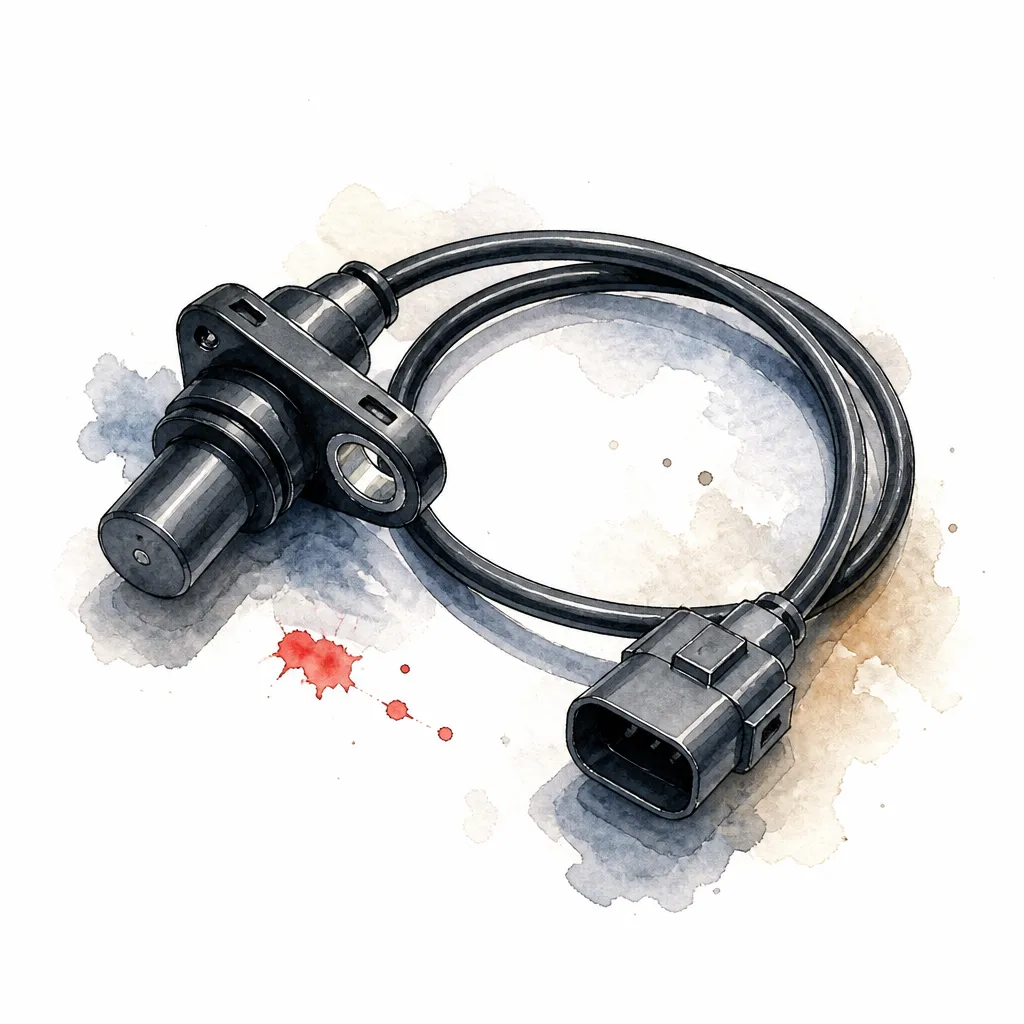
When a driver stamps hard on the brakes, a wheel can stop turning entirely while the car is still moving. A locked wheel skids, and a skidding tyre both loses grip and gives the driver no steering control. ABS prevents that. A speed sensor at each wheel reports how fast it is turning, and a control module watches for any wheel that is slowing down far faster than the others, the sign that it is about to lock. The module then rapidly releases and reapplies brake pressure to that wheel through a hydraulic pump and valve block, many times a second. The driver feels this as a pulsing or shuddering through the brake pedal, which is normal during a hard stop. The result is that the wheels keep turning just enough to hold grip, so the car stays steerable and can be guided around an obstacle while braking. ABS is also the foundation for traction control and stability control, which use the same wheel sensors and hydraulic unit.
Why it matters in Singapore
Singapore's roads turn slick the moment a tropical downpour starts, and a wet road is exactly where a locked wheel is most dangerous. Dense, stop-start traffic means hard, sudden braking happens often, whether for a cutting-in vehicle or a stop at a junction. A working ABS keeps the car pointable in those moments. An ABS warning light is also something an LTA periodic inspection will look at, so a fault is worth fixing rather than ignoring.

How Revol Carz handles this
Revol Carz Garage diagnoses ABS faults on BMW, Mercedes, Audi, and Volkswagen using marque-level scan tools to read codes from the ABS module, which often point to a failed wheel speed sensor or a wiring fault. We replace faulty sensors with OEM-grade parts and clear the codes once the repair checks out, and we inspect the wider brake system at the same time.