Traction control
Traction control is the electronic system that detects wheelspin and cuts engine power or brakes a spinning wheel to keep the car gripping the road.

What it means
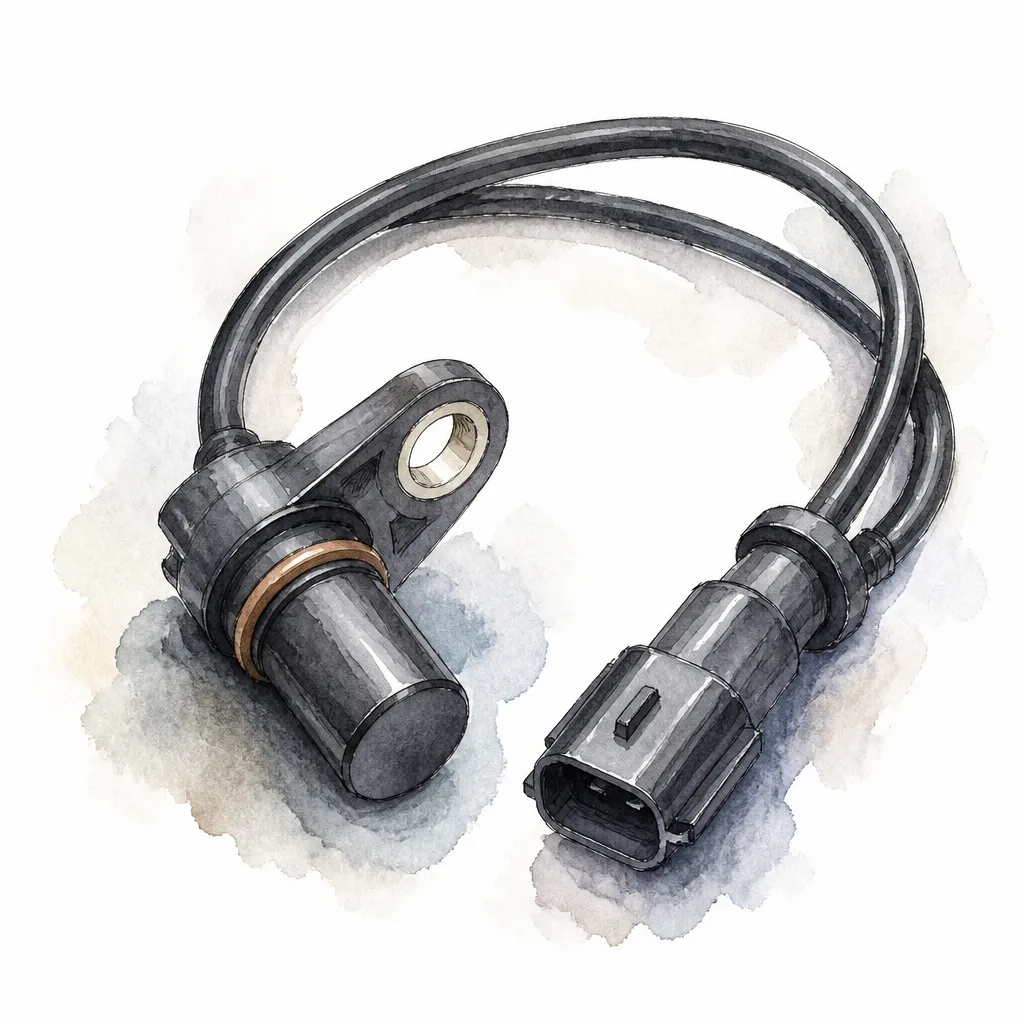
When a driven wheel is given more power than the road surface can hold, it spins. A spinning tyre delivers far less grip than one that is turning in step with the road, so the car loses drive and can step sideways. Traction control stops this. It reuses the same wheel speed sensors as ABS: if a driven wheel is suddenly turning much faster than the others, the system knows it has lost grip. It then steps in two ways. It can briefly cut engine power by easing the throttle or trimming the ignition, and it can pulse the brake on the spinning wheel so the differential sends torque to the wheel that still has grip. Most cars show a flashing dashboard light while traction control is active, which simply means it is doing its job. It is a layer of the same electronics that gives the car ABS and stability control, and on most models it can be partly switched off, though for normal road driving it is best left on.
Why it matters in Singapore
Singapore's frequent heavy rain leaves roads with standing water and slick painted markings, the surfaces where wheelspin happens most easily. Pulling away briskly at a wet junction, or accelerating up a damp multi-storey car park ramp, is exactly where traction control quietly keeps a car planted. Many of the powerful European cars common here put enough torque through the front or rear wheels to break traction without it, so a working system is worth keeping in good order.

How Revol Carz handles this
Revol Carz Garage diagnoses traction control faults on BMW, Mercedes, Audi, and Volkswagen with marque-level scan tools, since the warning light usually traces back to a shared part such as a wheel speed sensor or the ABS module. We replace faulty sensors with OEM-grade parts and clear the codes once the repair is verified.