Body filler
Body filler is the polyester-based putty applied over a panel-beaten metal surface to fill small imperfections before sanding, primer, and paint.

What it means
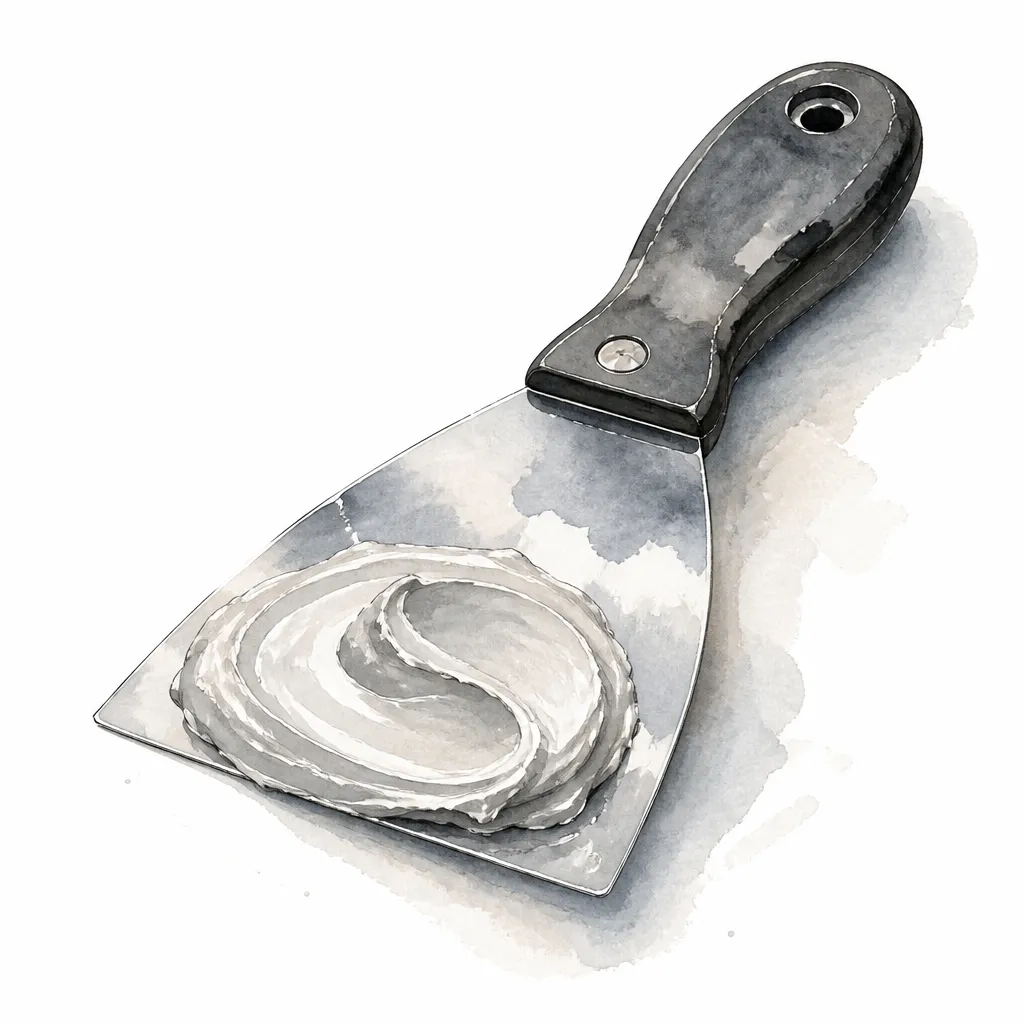
Body filler is one of the most useful and most abused materials in a bodyshop. After a panel beater works metal back to roughly its original shape, microscopic dents and high spots remain. Body filler is mixed with a hardener and spread thinly over the area, sanded back when cured, and primer-and-painted over to produce a flat, glossy finish. Used correctly, in thin layers over a properly straightened panel, body filler is invisible and lasts for years. Used incorrectly (thick layers piled over a poorly straightened panel, applied to bare metal without proper prep, or used to fill what should have been welded), body filler cracks within months, telegraphs through the paint as the seasons change, and signals a low-quality repair that will need redoing. The amount of body filler in a repair is one of the standard quality benchmarks: a high-end repair uses minimal filler over carefully straightened metal; a budget repair uses generous filler over rough metal.
Why it matters in Singapore
Singapore's heat and humidity stress every paint-and-filler interface harder than temperate climates. A repair with thick body filler that survived a European winter can fail within a year here. Asking how much filler a workshop uses, and whether they use it as the primary repair method or only for finishing, is a fair question to ask before committing to a repair.

How Revol Carz handles this
Revol Carz uses body filler only as a finishing layer over properly straightened metal, applied thinly and sanded flat. We do not use filler to mask poor panel-beating work.