Carbon buildup
Carbon buildup is the soot and oil deposit that accumulates on the intake valves of direct-injection engines, often cleared by walnut blasting.

What it means
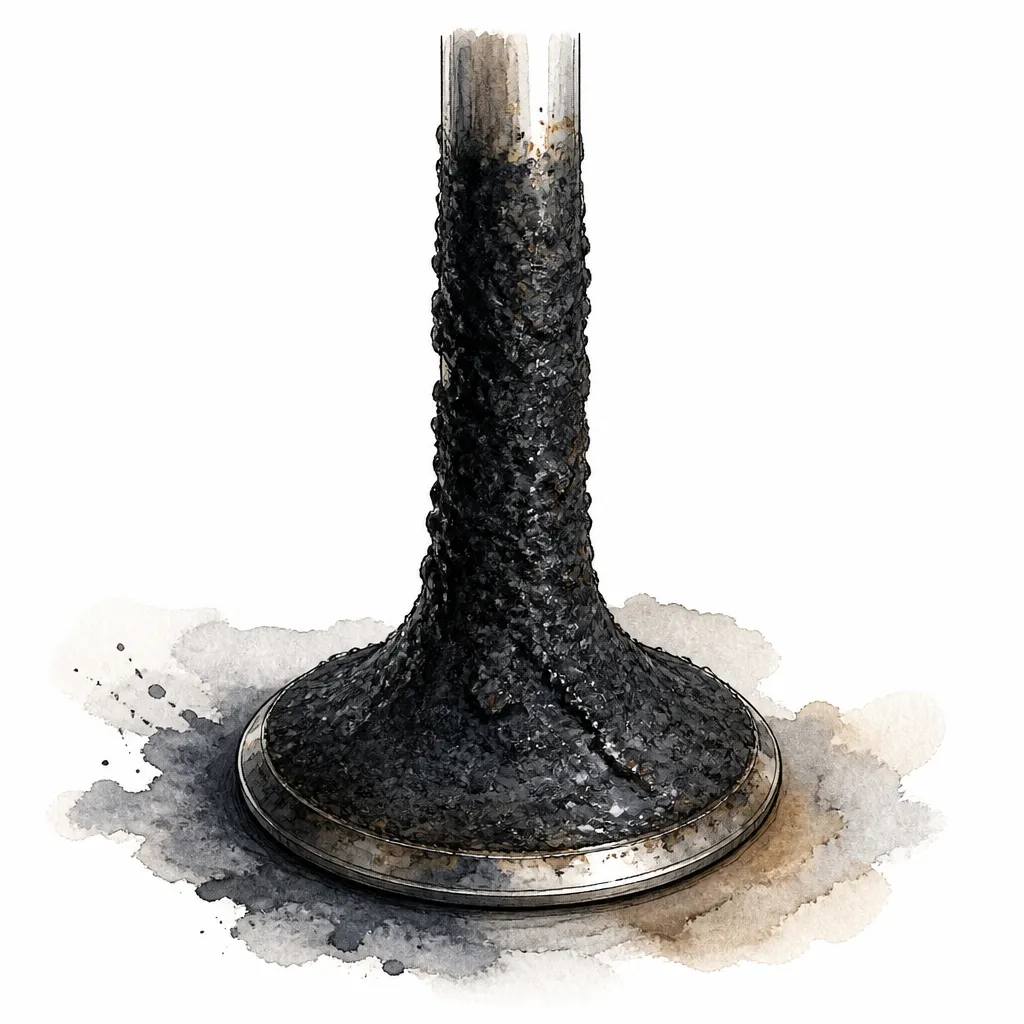
Carbon buildup is a known weak point of modern direct-injection engines, which inject fuel straight into the cylinder rather than into the intake port. In older port-injection engines, fuel constantly washed over the back of the intake valves and kept them clean. Direct injection removes that washing effect, so oil mist drawn in through the crankcase ventilation system bakes onto the hot valves and slowly hardens into a crusty layer of carbon. As the deposit grows, it disturbs airflow into the cylinder and can stop the valves sealing properly. The result is a rough idle, a misfire that comes and goes, weaker pull, slightly worse fuel economy, and sometimes a cold-start stumble. Because it builds up gradually over tens of thousands of kilometres, owners often do not notice until the engine clearly feels down on power. The usual fix is walnut blasting: crushed walnut shell is blown against the valves to scrub off the carbon without damaging the metal.
Why it matters in Singapore
Many of the BMW, Audi, Volkswagen, and Mercedes models common on Singapore roads use direct injection, so carbon buildup is a mainstream concern here, not a rare one. Short trips and long spells idling in traffic, the typical Singapore driving pattern, give carbon more chance to settle on the valves than steady highway running would. Over a 10-year COE life the deposits add up, and a car that has lost a little pull or idles roughly is often carrying carbon rather than a major fault.

How Revol Carz handles this
When a direct-injection European car idles roughly or feels flat, Revol Carz Garage first uses a diagnostic scan to rule out ignition or sensor faults, then inspects the intake valves. Where carbon is the cause, we clean the valves by walnut blasting so the engine breathes properly again, and verify the result with a fresh scan before the car goes back on the road.