Coating flash time
Coating flash time is the short window after a ceramic coating is wiped onto a panel, during which the solvent flashes off and the applicator must buff and level the coating.

What it means
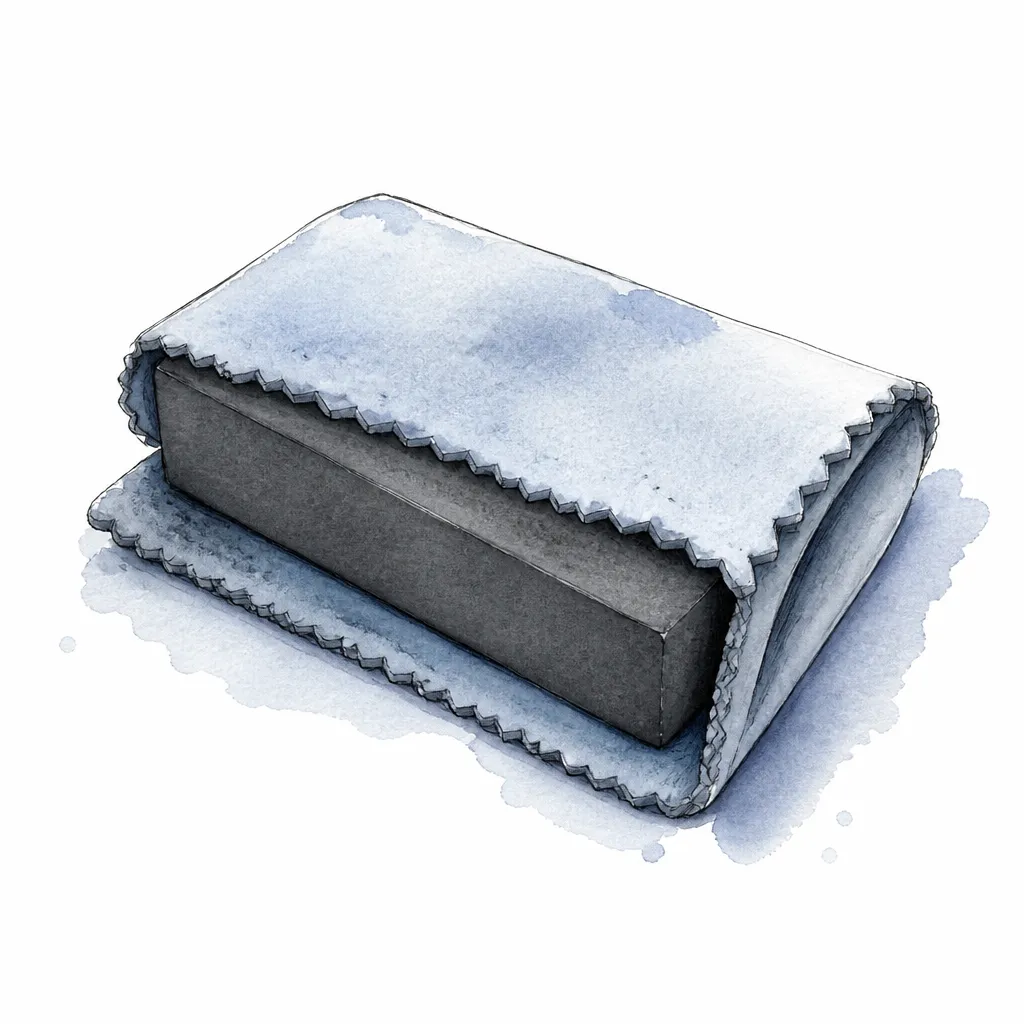
A ceramic coating goes on as a liquid carried in a solvent. After it is wiped onto a panel, that solvent begins to evaporate, or flash off, and the coating starts to set on the surface. Flash time is the window between application and that set point, and it is when the applicator has to buff the coating down and level it into an even film. The timing matters in both directions. Buff too early, while the coating is still wet, and it smears and streaks. Buff too late, after it has started to cure, and the high spots are locked in as hard ridges that need polishing back off. Flash time is not a fixed number. It shifts with the specific product, the ambient temperature, and the humidity in the room, so an applicator reads the panel rather than the clock.
Why it matters in Singapore
Singapore's heat and humidity above 80 percent change how fast a coating flashes, and an open workshop can swing through those conditions across a single day. A coating that flashes faster than expected leaves high spots if the applicator is not watching the panel closely. Controlling temperature and humidity during application is what keeps the flash window predictable and the finish even.

How Revol Carz handles this
Revol Carz applies the ZeTough range, from Glass 6H through Ceramic 9H to Titanium, in a climate-controlled bay where temperature and humidity stay steady. That keeps the flash window consistent panel to panel. Our applicators work small sections at a time and buff each one within the product's window, so the coating levels cleanly without high spots.