Curing
Curing is the chemical process by which a freshly applied coating or paint hardens into its final, durable state.

What it means
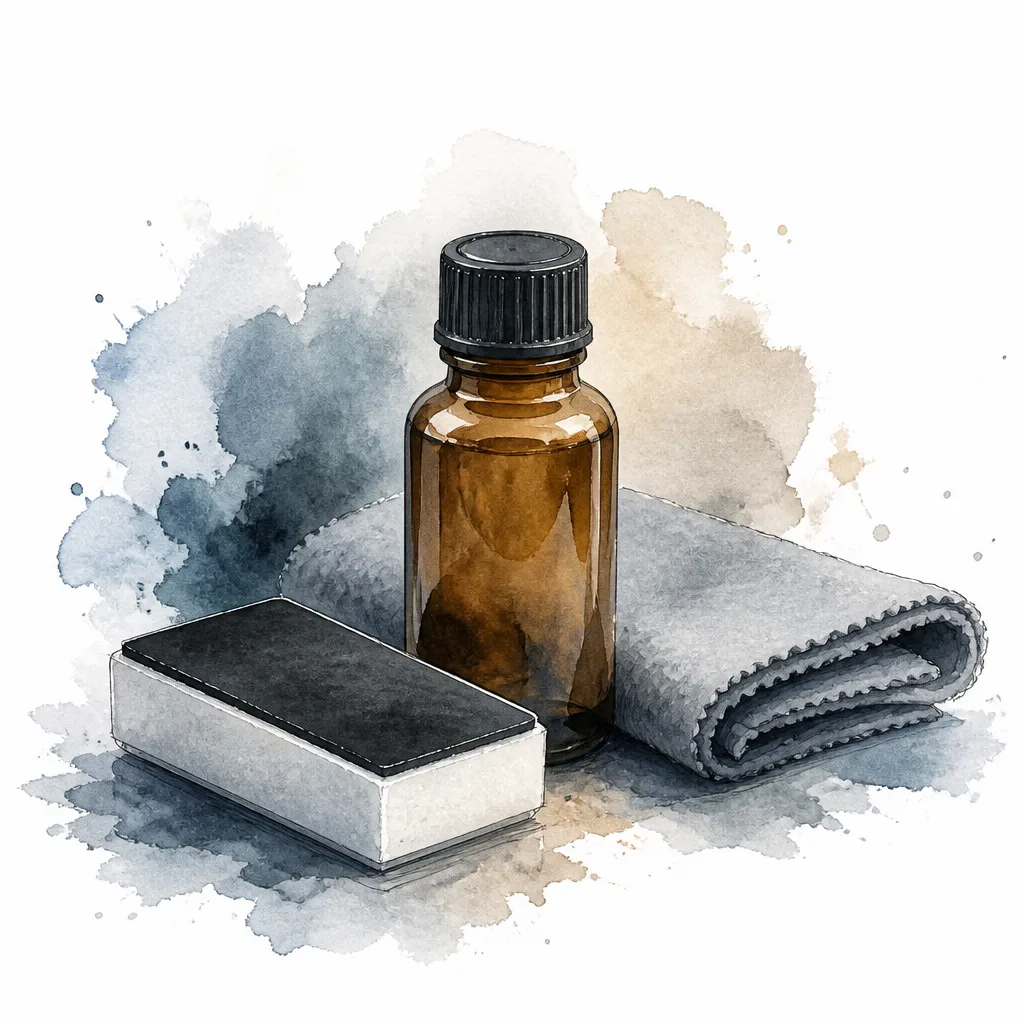
Different products cure differently. A ceramic coating cures by cross-linking SiO2 molecules with the clear coat below as solvents flash off, which takes 24 to 48 hours in a controlled, dry environment to reach full hardness. Spray paint cures through solvent evaporation and heat-driven polymerisation, which is why a proper bodyshop will bake fresh paint in a temperature-controlled oven instead of letting it air-dry in an open bay. Curing is the step where shortcuts cause long-term failures. A coating driven into rain too early bonds unevenly. Spray paint that is not fully cured stays soft, picks up dust, and is more prone to chipping. The visible finish may look right within hours; the chemistry takes longer.
Why it matters in Singapore
Singapore's afternoon storms make curing tricky. A coating that needs 48 hours of dry, dust-free air can be ruined by a single downpour while the car is being driven home. The same goes for spray paint, which is why the booth and oven setup matters more here than in cooler, drier markets. Owners who skip the recommended waiting period almost always regret it within the year.

How Revol Carz handles this
Revol Carz keeps freshly coated cars in a controlled, indoor bay until the manufacturer's curing window closes. For spray painting, every job runs through our Italian Saima dust-free booth with oven-baked curing so the paint exits hard, glossy, and ready for handover. We confirm cure status before we release the car, never on a clock alone.