Coating layering
Coating layering is the practice of applying a ceramic coating in multiple bonded layers, each flashed and levelled before the next, to build durability and slickness within the manufacturer's limits.

What it means
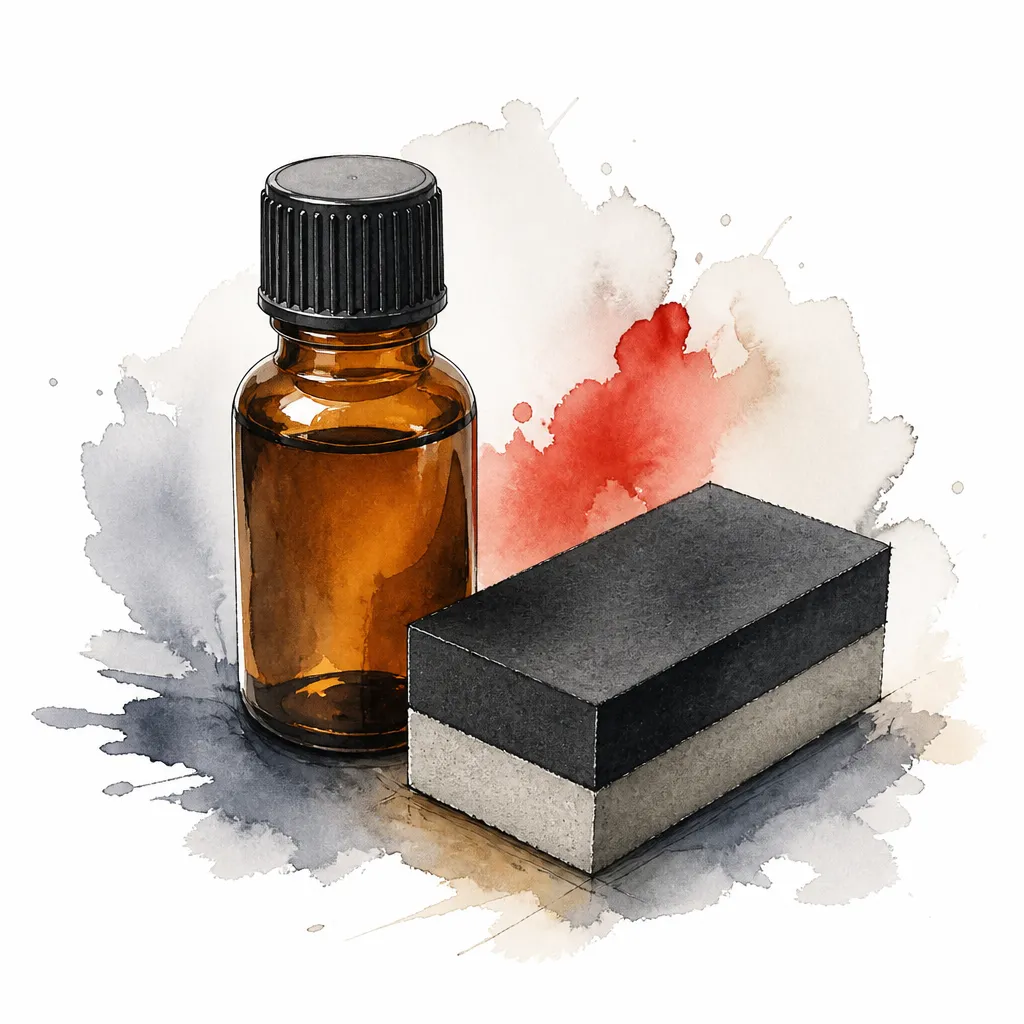
A single ceramic coating layer is thin, often only a few microns once cured. Layering means applying a base layer to the panel, letting it flash and levelling it, then applying one or more further layers on top of it once the base is ready to accept them. The base layer bonds to the clear coat and carries most of the protection. The top layers add thickness, raise the slickness, and form a stronger hydrophobic surface that water sheets off cleanly. Every product specifies how many layers it is designed to take and how long to wait between them, and a careful applicator stays inside those limits. More layers is not automatically better. Past the product's design point, extra coats simply sit unbonded and can streak. What actually builds a durable result is correct technique and the right cure time between each layer.
Why it matters in Singapore
Singapore's heat, UV, and humidity above 80 percent put constant load on a coating, and sudden downpours wash road grime across the paint daily. A correctly layered coating gives the surface a thicker, slicker barrier that sheds that grime and resists oxidation longer. Because a coating extends the cosmetic life of the paint, it also protects resale value when COE economics make every year of good condition count.

How Revol Carz handles this
Revol Carz layers the ZeTough range, from Glass 6H through Ceramic 9H to Titanium, exactly to each product's specification. We correct and decontaminate the paint first, then apply the base layer and any top layers in our climate-controlled bay, allowing proper flash and cure time between each. The car stays with us until the full cure is complete.