Colour sanding
Colour sanding is wet-sanding the cured clear coat with very fine abrasive to remove dust nibs, orange peel, and texture before the final cut and polish.

What it means
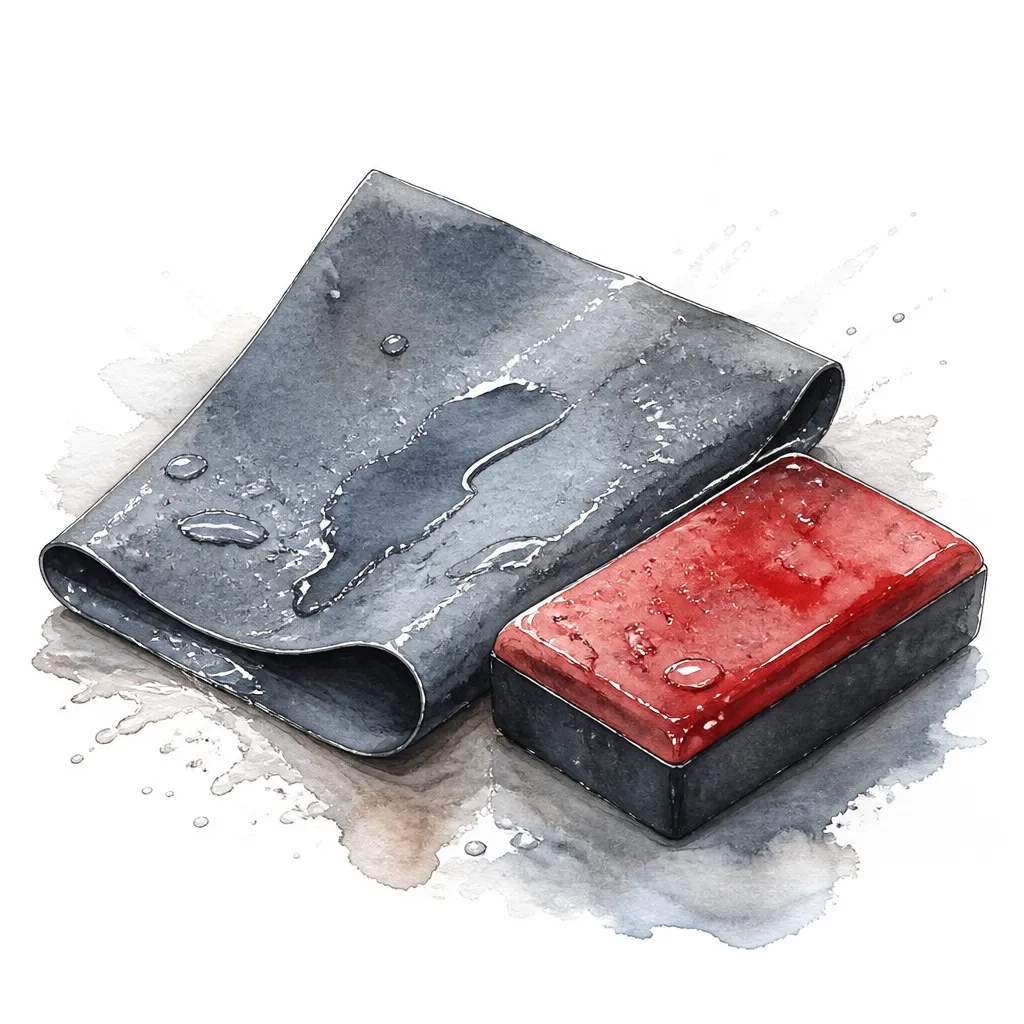
Colour sanding, also called cut sanding, is the precise levelling of a fully cured paint finish. Where general wet sanding can mean any sanding done with water as a lubricant, colour sanding specifically targets the colour and clear coat layers to make them dead flat and uniform. The sprayer works through progressively finer grits, often from around 1500 up to 3000 and beyond, using water to flush away residue and stop the paper clogging. The goal is to shave off the high points: the slight ripple of orange peel, any dust nibs trapped during spraying, and minor sags or runs, while leaving as much clear coat as possible intact. The sanded surface looks dull and matte. Gloss is then restored in the final cut and polish stages, where compound and polish bring the levelled clear back to a deep, mirror-flat shine.
Why it matters in Singapore
Singapore buyers judge a respray in bright, harsh sunlight, and direct overhead light is unforgiving on surface texture. A finish that is glossy but slightly rippled reads as cheap next to factory paint, which is sprayed and levelled under controlled conditions. Colour sanding is what closes that gap. It also matters before a ceramic coating goes on, because a coating locks in whatever texture is underneath, so the flatter the clear coat is first, the sharper the reflection stays for years.

How Revol Carz handles this
At our Toh Guan facility, panels are sprayed with Spies Hecker clear and oven-baked cured before any colour sanding begins, so the film is hard enough to sand and polish without distortion. Our team works the clear flat by hand on a fully hardened surface, then cuts and polishes it back to gloss, and owners get WhatsApp updates as the car moves through finishing.