ECU (Engine Control Unit)
The Engine Control Unit, or ECU, is the onboard computer that manages engine functions including fuel injection, ignition timing, and emissions control.

What it means
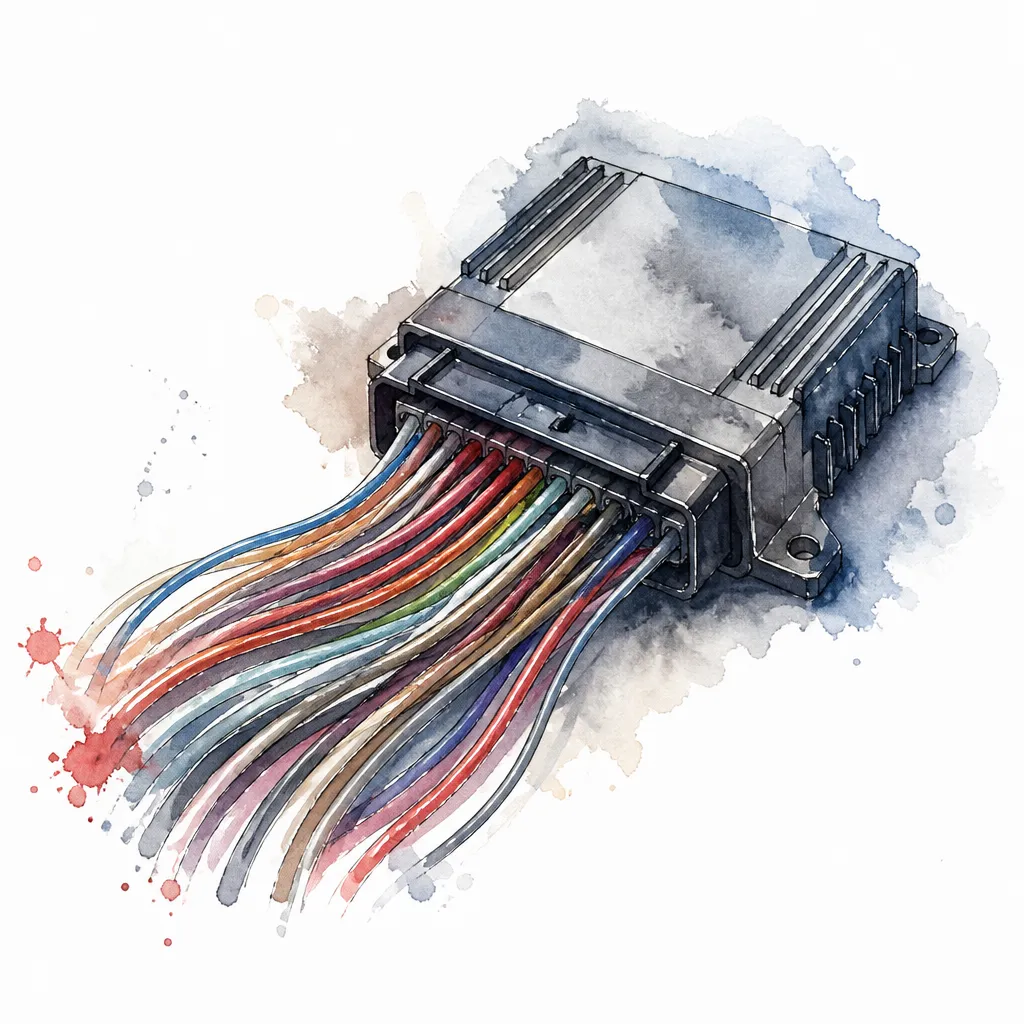
Modern engines do not run on mechanical settings alone. The ECU continuously reads inputs from dozens of sensors (oxygen, mass airflow, coolant temperature, knock, throttle position) and adjusts outputs to fuel injectors, ignition coils, and emissions actuators many times per second. When something is out of range, the ECU stores a fault code and may trigger a check engine warning or limp mode. Workshop diagnostics start with connecting to the ECU through the OBD-II port and reading those codes, then deciding whether the issue is the sensor, the actuator, or something further upstream. Generic OBD readers can pull basic codes but cannot access the marque-specific data streams needed to properly diagnose modern European cars. A BMW workshop, a Mercedes workshop, and an Audi workshop each need their own brand-specific tools to read the full picture.
Why it matters in Singapore
European cars in Singapore are particularly affected. Their ECUs hold dozens of submodules and proprietary protocols that generic scanners cannot read. A workshop that does not have brand-specific diagnostics can only guess at the cause of a fault, which usually leads to parts being replaced unnecessarily.

How Revol Carz handles this
Revol Carz Garage uses brand-specific diagnostic tools for BMW, Mercedes-Benz, Audi, and Volkswagen. Diagnostic results are itemised, explained to the owner, and used to scope the repair before any parts are ordered. We do not chase fault codes by trial and error.