EGR (Exhaust Gas Recirculation)
Exhaust Gas Recirculation, or EGR, is an emissions reduction system that routes a portion of exhaust gas back into the engine intake to lower combustion temperature and reduce nitrogen oxide emissions.

What it means
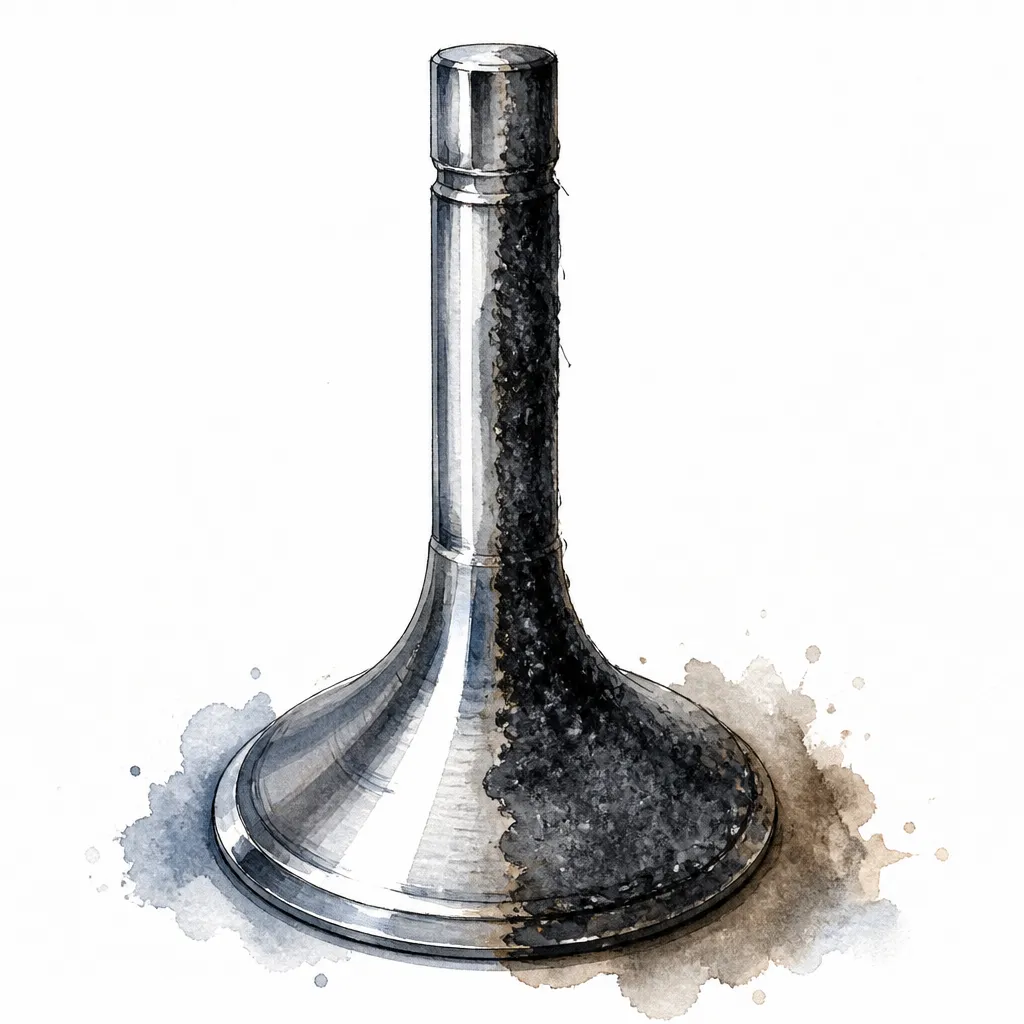
An EGR system uses a valve to bleed a small percentage of exhaust gas back into the intake manifold. The recirculated gas is inert, so it lowers peak combustion temperature, which in turn reduces the formation of nitrogen oxides (NOx). Lower NOx output is what allows modern engines to meet emissions standards. The trade-off is that EGR systems pull soot and unburned hydrocarbons back into the intake, where they slowly build up as carbon deposits on the EGR valve, intake valves, and intake manifold walls. Over time, the valve can stick, sensors can foul, and airflow can be choked. The visible symptoms are rough idling, reduced engine response, increased fuel use, and in some cases a check engine light. Cleaning the system or replacing the valve restores normal operation.
Why it matters in Singapore
Singapore's stop-and-go traffic keeps engines in the operating zone where EGR is most active and carbon buildup happens fastest. European diesel engines in particular are known for EGR-related issues here. Catching the symptoms early avoids the much more expensive job of cleaning out the intake manifold once buildup has spread beyond the valve.

How Revol Carz handles this
Revol Carz Garage diagnoses EGR issues with brand-specific scan tools, cleans the valve and surrounding intake where the system can be recovered, and replaces with OEM parts where the valve has failed beyond cleaning.