Fish-eye
Fish-eye is a circular crater defect in wet paint caused by silicone, oil, or wax contamination on the surface repelling the paint.

What it means
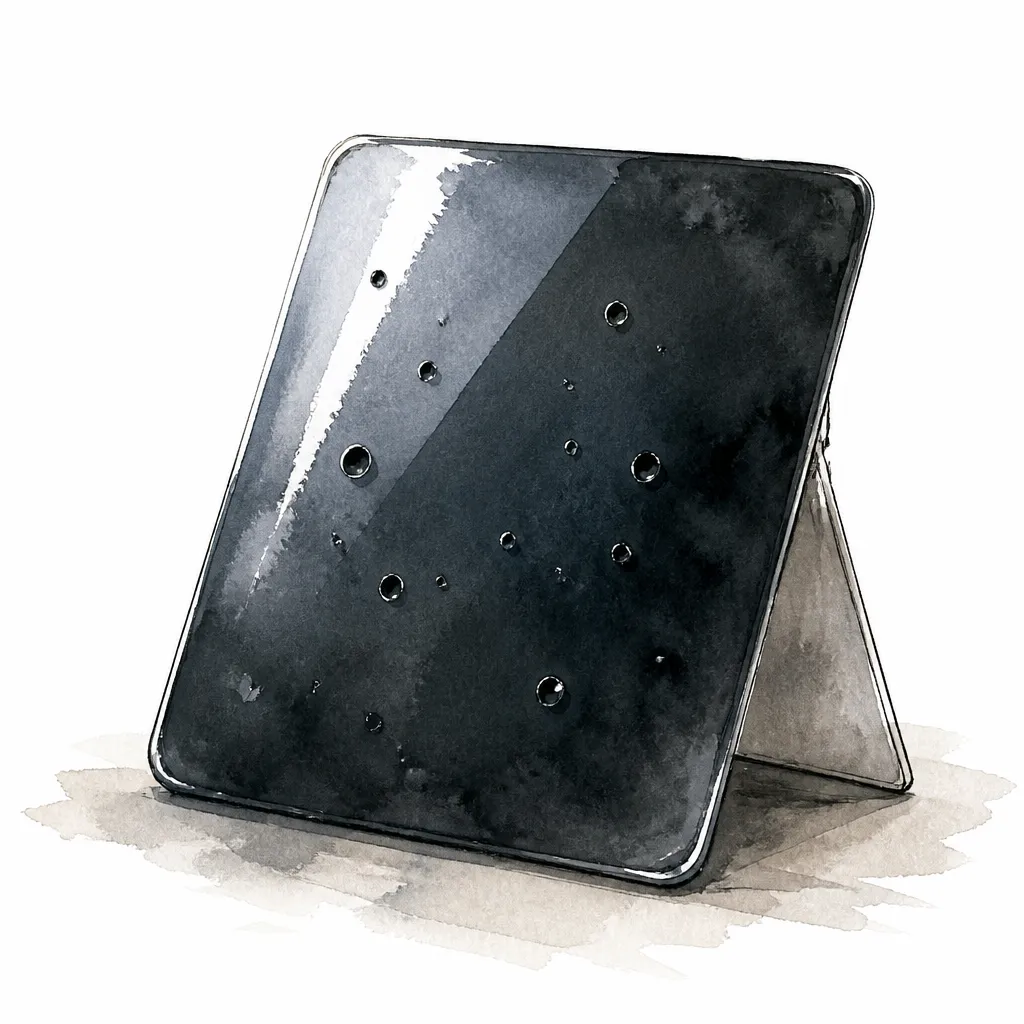
Fish-eye is a paint defect that shows up as small round craters in a freshly sprayed coat, with the paint pulling away from a central point so the layer underneath shows through. It is a wetting failure. When the surface has a trace of silicone, oil, wax, or polish on it, the wet paint cannot bond evenly there, so surface tension drags it back from the contaminated spot and leaves a dimple that looks like the eye of a fish. Common sources are silicone-based polishes and dressings, lubricants and grease, and even airborne contamination from compressed air lines that carry oil. Because the cause sits on or in the surface, fish-eye usually cannot be sprayed over successfully. The affected area has to be washed, degreased, sanded back, and resprayed, sometimes with an anti-silicone additive in the paint as insurance.
Why it matters in Singapore
Many Singapore cars have been treated with silicone-rich polishes, tyre and trim dressings, or spray waxes, and silicone migrates across a panel and is stubborn to remove. A workshop that skips proper degreasing risks fish-eye appearing only after the colour is down, which means stripping and respraying a panel. For owners, this is the practical reason a serious bodyshop insists on a full clean and degrease before spraying, rather than just masking and going.

How Revol Carz handles this
At our Toh Guan facility, panels are thoroughly cleaned and degreased before any Spies Hecker paint is applied, and spraying is done inside our Italian Saima dust-free booth with filtered air, which keeps oil and silicone contamination out of the process. Catching the cause before the colour goes down is what prevents fish-eye, and we would rather spend the time on prep than rework a panel later.