Solvent pop
Solvent pop is small blisters or pinholes in the paint film formed when trapped solvent escapes after the surface has skinned over.

What it means
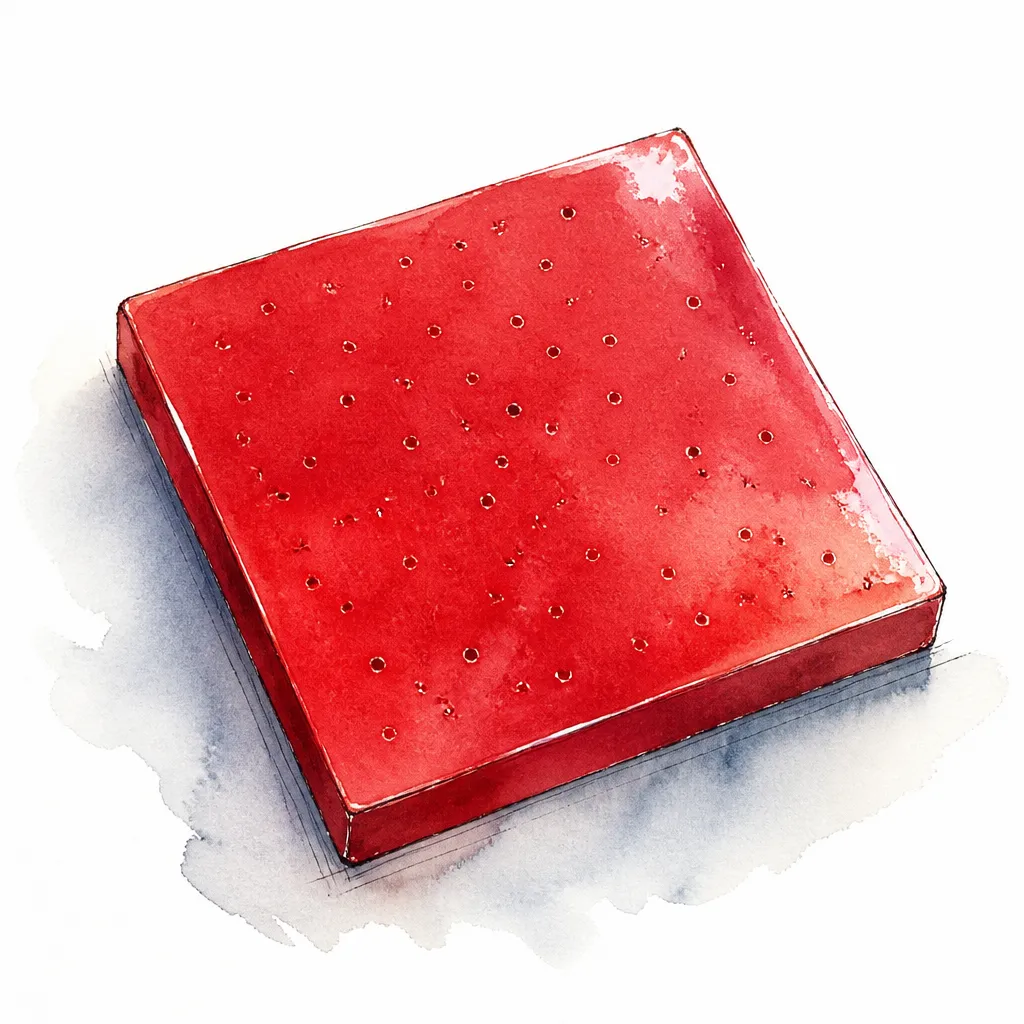
Solvent pop is a paint defect that shows as a scatter of tiny blisters or open pinholes across the cured film. It happens when solvent gets trapped below the surface of the paint. Every coat of paint has to release its solvent gradually as it dries, in a stage called flash-off. If a coat is sprayed too thick, if not enough flash time is allowed between coats, or if heat is applied before the solvent has had time to leave, the top of the film hardens and skins over while solvent is still underneath. As that trapped solvent turns to vapour it pushes up through the skin and bursts, leaving craters and pinholes. Unlike a contamination defect, solvent pop is a process fault: too much paint, too fast, or baked too soon. The fix is to sand the affected area flat and respray it with correct film build and proper flash-off.
Why it matters in Singapore
Singapore's heat and humidity change how paint flashes off. Warm conditions can make the surface skin over faster while solvent below is still leaving, which widens the window for solvent pop if a sprayer rushes coats or applies booth heat too early. A workshop that does not control coat thickness, flash times, and curing temperature for local conditions can deliver a respray that looks fine on collection and then shows pinholes under hard sunlight a few weeks later.

How Revol Carz handles this
At our Toh Guan facility, Spies Hecker paint is applied in controlled coats with proper flash-off time between each, and curing is done as a deliberate oven-baked stage in our Italian Saima dust-free booth rather than rushed heat. Spraying correct film build and only baking once the solvent has flashed off is what keeps solvent pop out of the finish.