Maintenance interval
A maintenance interval is the recommended duration or distance between specific service items, defined by the vehicle manufacturer.

What it means
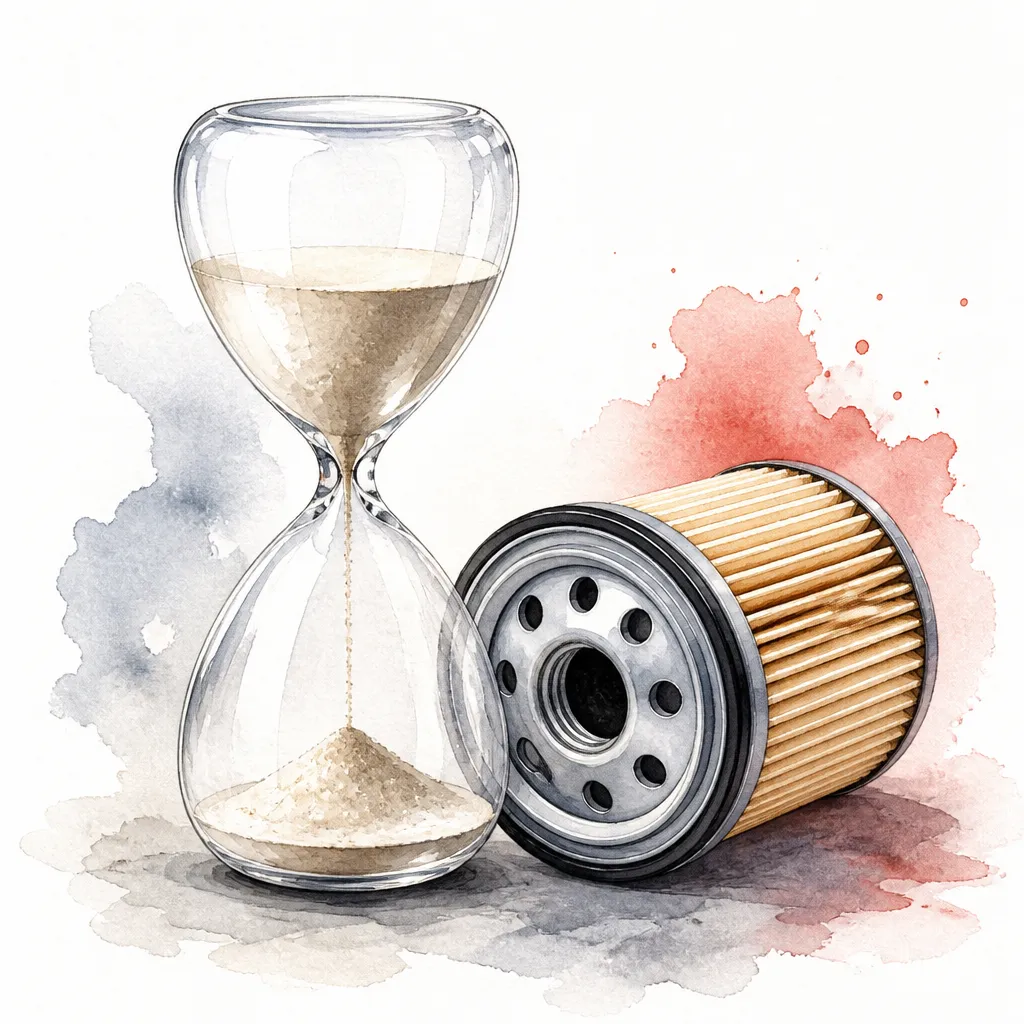
Every car comes with a manufacturer service schedule that lists when each item should be checked or replaced: engine oil, oil filter, air filter, brake fluid, coolant, transmission fluid, spark plugs, timing belt, and so on. European cars typically run longer service intervals than Asian cars on the headline schedule, often 10,000 to 15,000 km for oil changes versus 5,000 to 10,000 km for many Asian brands. Some European manufacturers also offer extended-interval programmes that stretch oil changes to 20,000 km or even longer based on a wear sensor in the oil. These schedules are calibrated for European driving (long highway stretches, cooler ambient temperatures, modest stop-and-go) and are not always the right fit for Singapore conditions. Most experienced workshops recommend tighter intervals, especially on older cars or cars driven mainly in stop-and-go traffic, to keep wear within a safe envelope.
Why it matters in Singapore
Singapore's tropical heat, heavy traffic, and short trips together produce some of the harshest service conditions in the world for engine and transmission fluids. Following manufacturer intervals to the letter often means asking fluids to do more work than they were calibrated for. A more conservative interval costs a little more per year and saves significant money on repairs.

How Revol Carz handles this
Revol Carz Garage walks each owner through the manufacturer schedule for their specific car (engine code matters, not just model name) and recommends adjustments based on driving pattern and Singapore conditions. We also reset the service interval display where applicable so the dashboard tracks the new schedule.