Mechatronic
A mechatronic unit is the integrated electronic and hydraulic control module inside modern automatic and dual-clutch transmissions, governing every shift the car makes.

What it means
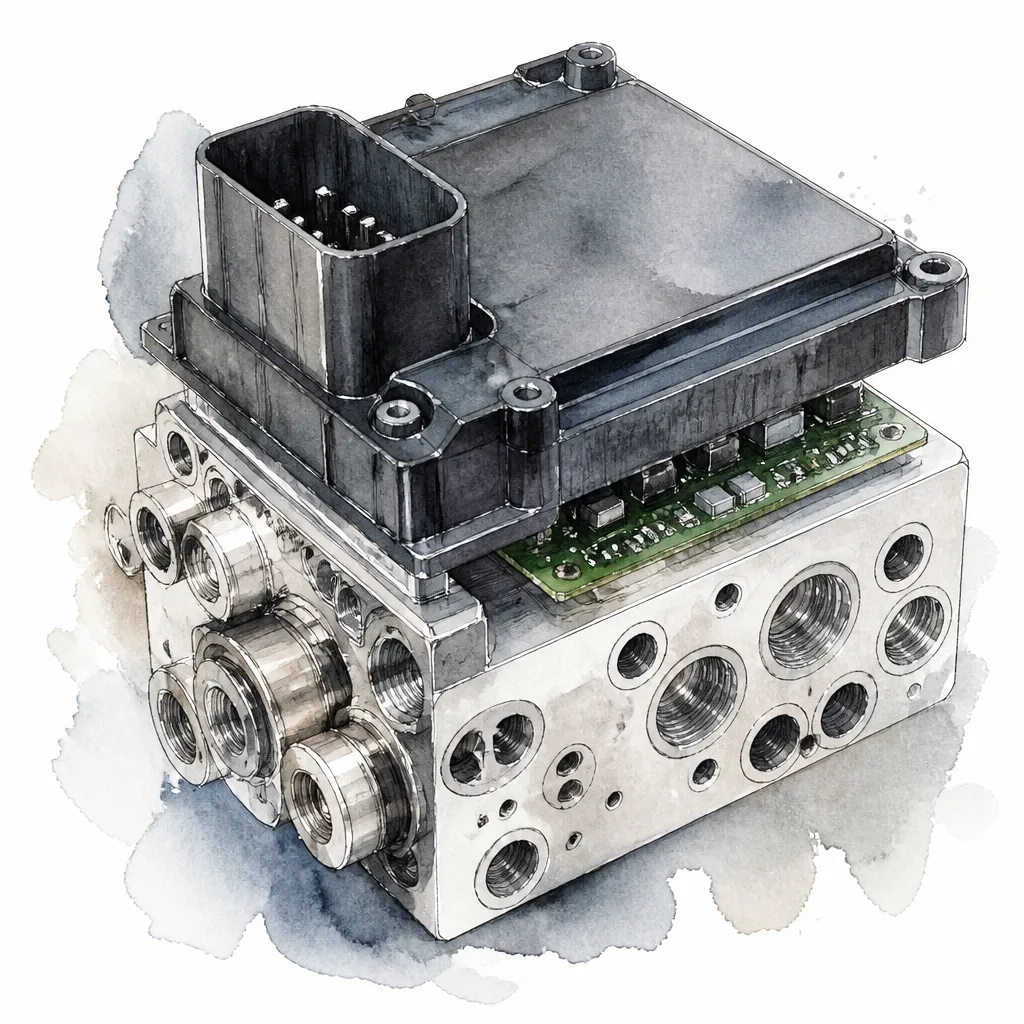
Modern automatic gearboxes do not shift mechanically on their own. A mechatronic unit, mounted inside the transmission housing, combines an electronic control board with hydraulic valves and pressure sensors that decide when and how each gear engages. It reads driver inputs, engine torque, and wheel speed, then commands the right clutches and hydraulic pressures in milliseconds. When a mechatronic unit fails, symptoms range from subtle (delayed shifts, mild hesitation) to severe (limp mode, refusal to engage drive). On Volkswagen and Audi DSG and S-Tronic gearboxes in particular, mechatronic failure is one of the most common high-cost repairs after the 100,000 km mark. Diagnosis requires brand-specific scan tools that can read the mechatronic submodule directly. Replacement is a major job, often combined with a clutch-pack inspection.
Why it matters in Singapore
European cars in Singapore are particularly vulnerable to mechatronic issues. Stop-and-go traffic keeps the gearbox in its hottest operating zone, fluid degrades faster, and the mechatronic unit runs at higher duty cycles than it would on European motorway driving. Catching mechatronic faults early, before they cause clutch-pack damage, is the difference between a five-figure repair and a sensible one.

How Revol Carz handles this
Revol Carz Garage diagnoses mechatronic faults with brand-specific tools (XENTRY for Mercedes, ISTA for BMW, ODIS for VAG). Where the unit can be repaired or recovered with a fresh fluid service, we do that. Where replacement is the right call, we use the OEM mechatronic assembly and code it to the car.