DSG (Direct-Shift Gearbox)
DSG, or Direct-Shift Gearbox, is Volkswagen Group's dual-clutch automatic transmission, found in Volkswagen, Audi (as S-Tronic), and other VAG-brand cars.

What it means
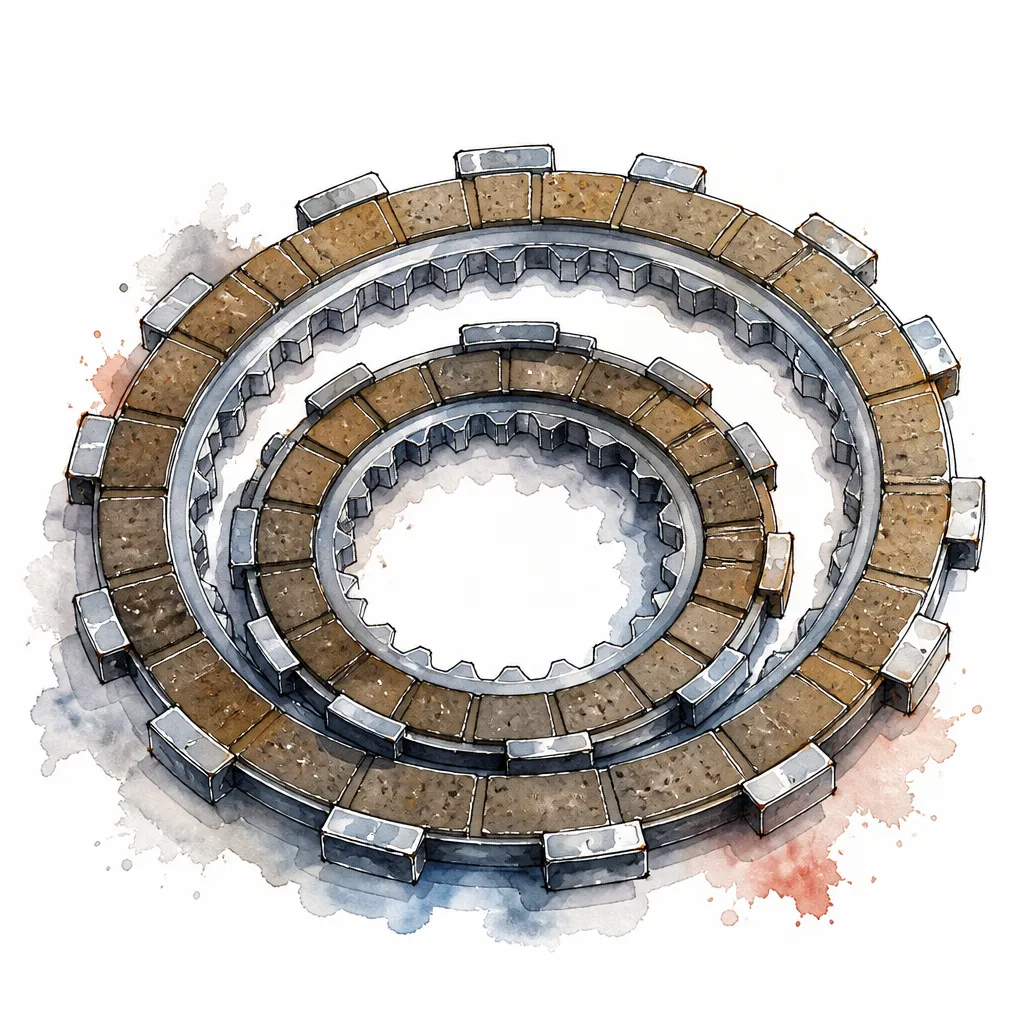
A DSG uses two separate clutches (one for odd gears, one for even gears) controlled by a mechatronic unit, with the next gear pre-selected before each shift. The result is faster shifts than a torque-converter automatic and better fuel economy than a traditional manual. DSG comes in two main flavours: a 6-speed wet-clutch DSG (DQ250) and a 7-speed dry-clutch DSG (DQ200), with various successors. Common DSG service issues include mechatronic faults (the most expensive), clutch-pack wear (especially on the 7-speed dry version), and fluid degradation. Volkswagen specifies a fluid change interval at around 60,000 km on the wet DSG, but in Singapore stop-and-go traffic, a more conservative 40,000 to 50,000 km is wise. Skipping the fluid service is one of the most common reasons mechatronic units fail prematurely.
Why it matters in Singapore
DSG and S-Tronic transmissions are everywhere in the Singapore Volkswagen and Audi fleets. Owners who follow a tight DSG service schedule typically run the car through year 10 with no major transmission work. Owners who follow the manufacturer's longer interval, calibrated for European driving, often face mechatronic or clutch-pack repair around year 6 to 8. The economics favour the conservative interval.

How Revol Carz handles this
Revol Carz Garage services DSG and S-Tronic gearboxes using OEM-spec fluid and filters, with the correct service procedure for the specific gearbox code (DQ250, DQ200, DQ500, etc.). We diagnose with ODIS-equivalent tools and recommend mechatronic and clutch-pack inspection at the same visit.