OBD-II
OBD-II is the standardised onboard diagnostics port and protocol that lets a workshop read fault codes and live engine data from any modern car.

What it means
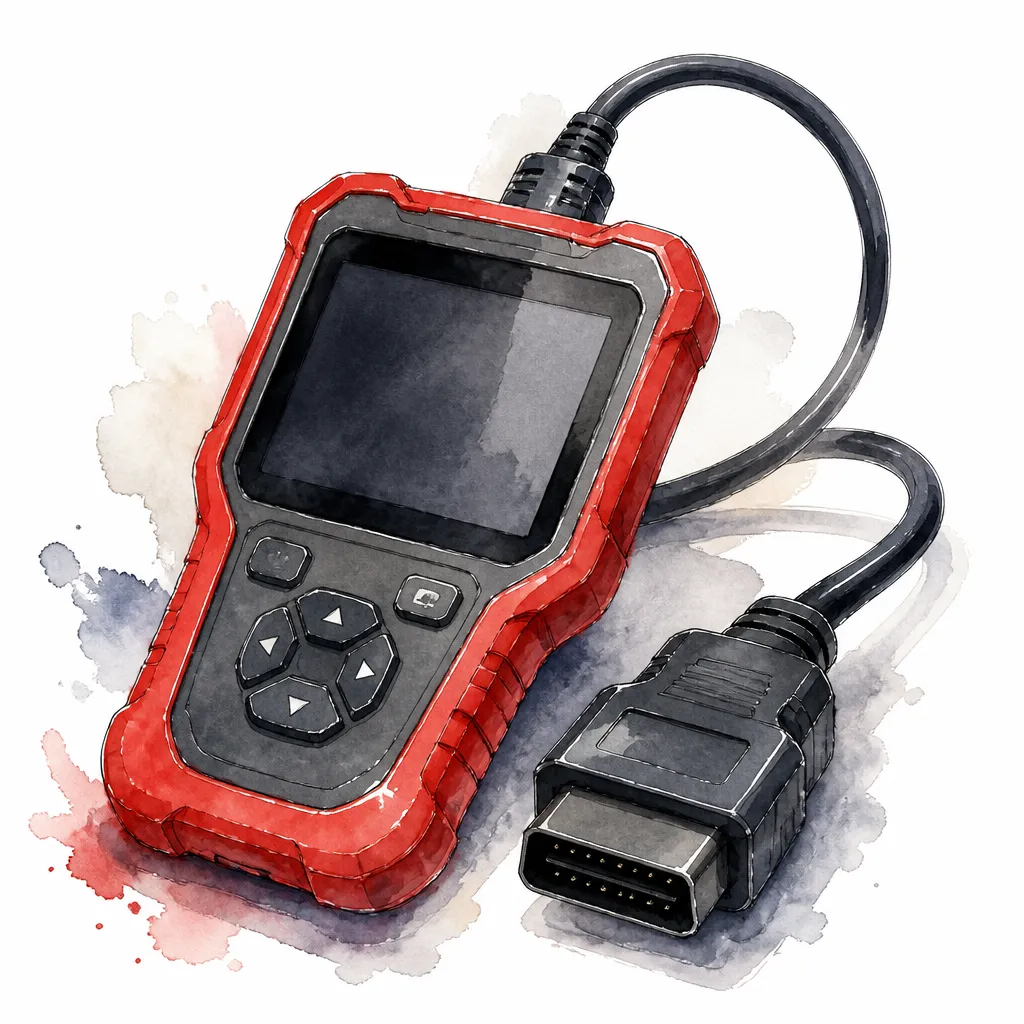
OBD-II stands for the second generation of On-Board Diagnostics. Every modern car carries a network of control modules that constantly monitor the engine, emissions, and other systems. When a module detects something outside normal limits, it stores a fault code and, for emissions-related faults, usually turns on the check engine light. OBD-II is the standard that makes all of this readable. It defines a common 16-pin diagnostic socket, usually found under the dashboard near the driver, and a common set of communication rules. A workshop plugs a scan tool into that socket and can pull stored fault codes, see live data such as coolant temperature, sensor voltages, and fuel trim, and watch a system behave in real time. The generic OBD-II layer is the same across every brand, which is what lets a basic code reader work on any car. Manufacturers also layer their own deeper diagnostics on top, accessed through the same port, and that is where marque-specific tools come in.
Why it matters in Singapore
A check engine light is a common reason a Singapore owner brings a car in, and OBD-II is the first step in finding out why. Reading the code turns a vague warning into a specific starting point, which saves guesswork and money. It also matters at LTA inspection time, since an unresolved emissions fault and a lit check engine light can hold up a car's roadworthiness, and the European cars common here often need brand-level diagnostics that go well beyond a generic reader.

How Revol Carz handles this
Revol Carz Garage connects through the OBD-II port to diagnose faults on BMW, Mercedes, Audi, and Volkswagen, using marque-level scan tools that read both the generic codes and the deeper manufacturer data. We trace each code to its real cause, repair it with OEM-grade parts, then clear the codes and confirm the system reads clean.