Odour removal
Odour removal is the layered process of identifying and eliminating the source of an unwanted smell in a car's cabin, rather than masking it with deodoriser.

What it means
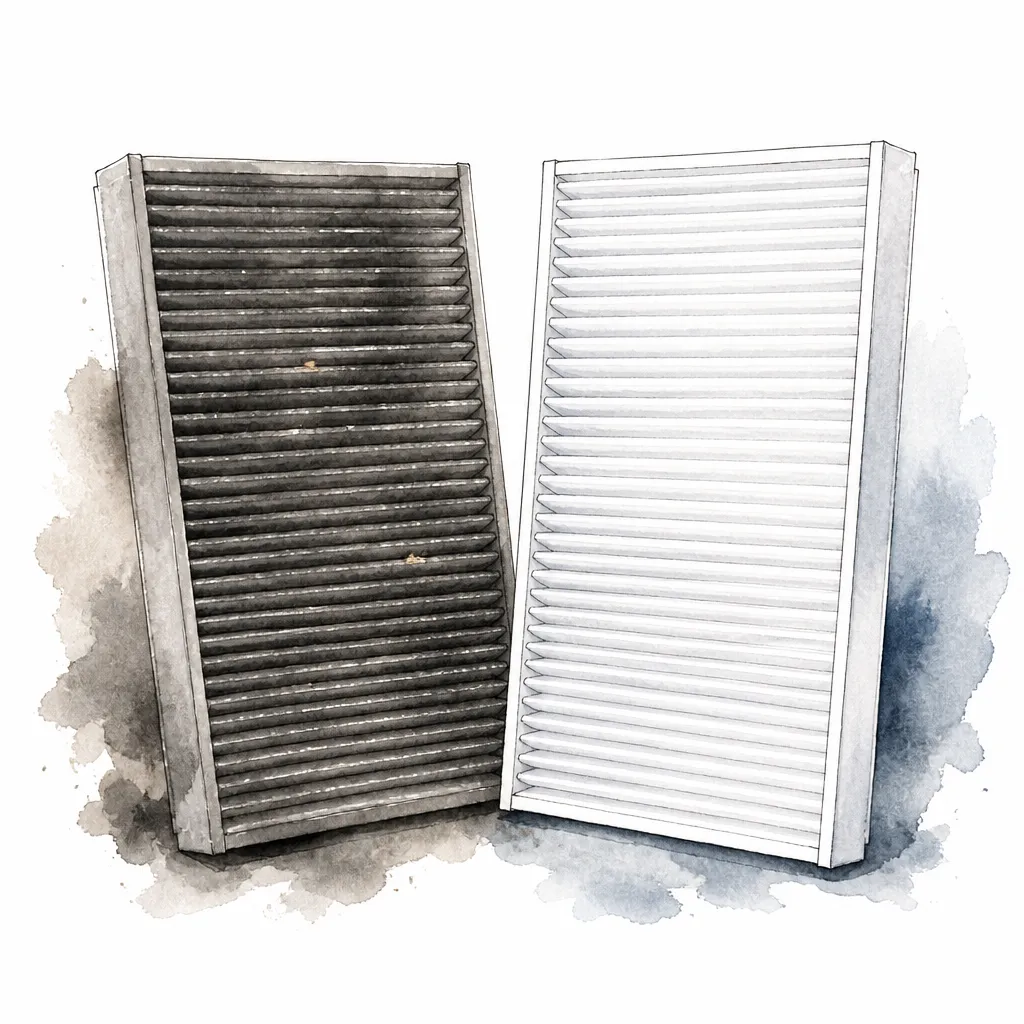
Persistent cabin smells usually come from one of a small number of sources: a damp cabin filter or wet HVAC ducting (musty smell), upholstery contamination from spills (sour or sweet smell), embedded smoke residue (old smoke smell), or food residue trapped under seats (sour smell). Effective odour removal works by source rather than masking. Step one is identifying the source with a careful inspection: look under the seats and floor mats, check the cabin filter, run the AC and smell the vents directly. Step two is fixing the source: replace the cabin filter, deep-clean affected upholstery, run the AC dry-cycle to flush evaporator moisture. Step three is residual treatment for whatever lingers, which is where ozone treatment or activated carbon products come in. Sprayed deodorisers alone are step zero: they cover the smell briefly but the source returns within hours. A workshop that reaches for the spray first is one that has not understood the problem.
Why it matters in Singapore
Singapore's humidity makes cabin odour issues much more common here than in dry climates. The damp evaporator behind the dashboard is the hidden engine of most musty cabin smells. A proper odour-removal workflow that starts with cabin filter and AC drying solves the most common cases without needing deeper treatment.

How Revol Carz handles this
Revol Carz works through a layered odour-removal protocol: source inspection, source remediation (filter, upholstery, AC dry-cycle), and ozone treatment only where residual odour remains.