Ozone treatment
Ozone treatment is the chemistry-free deodorising process that uses generated ozone gas to oxidise and break down odour molecules embedded in cabin surfaces.

What it means
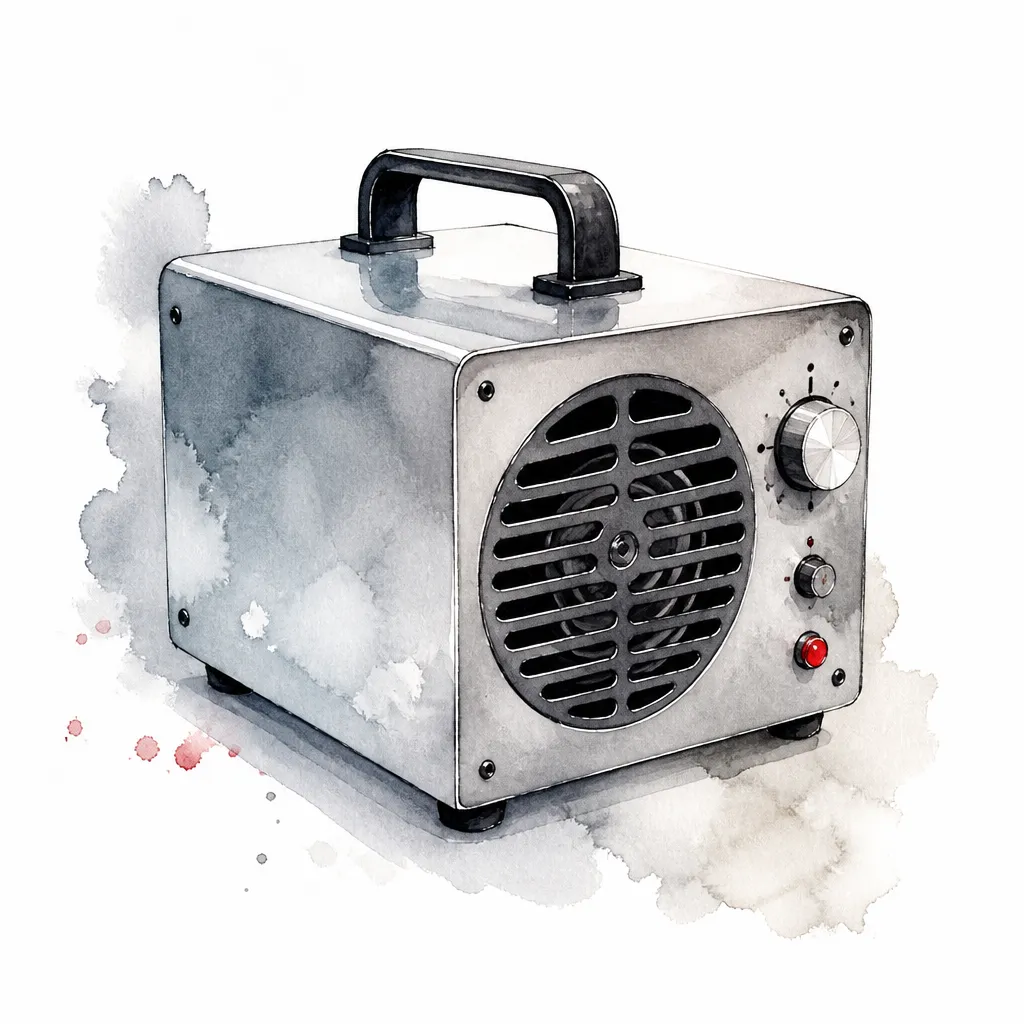
Ozone (O3) is a highly reactive oxygen species that oxidises a wide range of odour-causing molecules: smoke residue, food spoilage compounds, mould volatile organics, even some persistent chemical smells from spilled cleaners. An ozone generator in a sealed cabin produces ozone for a controlled period (typically 30 to 90 minutes), the gas penetrates upholstery and ducting, and the chemical reactions neutralise the odour at source. Once the cycle ends, the cabin is ventilated for a longer period to let residual ozone break down back to oxygen before any human re-enters. The process is chemistry-free in the sense that no perfumes or masking agents are used; the result is genuinely deodorised cabin air rather than disguised smell. Ozone has limits: it works best on volatile, oxidisable odour molecules and less well on heavy oily contamination (which usually needs physical removal first). It also slightly accelerates rubber and some plastic ageing, so dosing and frequency matter. Ozone is the right tool for residual smells after physical cleaning, not a substitute for the cleaning itself.
Why it matters in Singapore
Singapore second-hand cars sometimes come with smoke smells from previous owners or musty smells from neglected HVAC. Ozone treatment at handover transforms the cabin in a way that no spray deodoriser can match. Same goes for cars that have had a major water-damage event or food-spoilage incident.

How Revol Carz handles this
Revol Carz uses ozone treatment as the final step in deeper odour-removal jobs, after physical cleaning has addressed the source. We control dwell time and ventilate fully before handing the car back.