Scuff sanding
Scuff sanding is lightly abrading an existing painted or clear surface to create a mechanical key so that new paint or clear coat adheres properly.

What it means
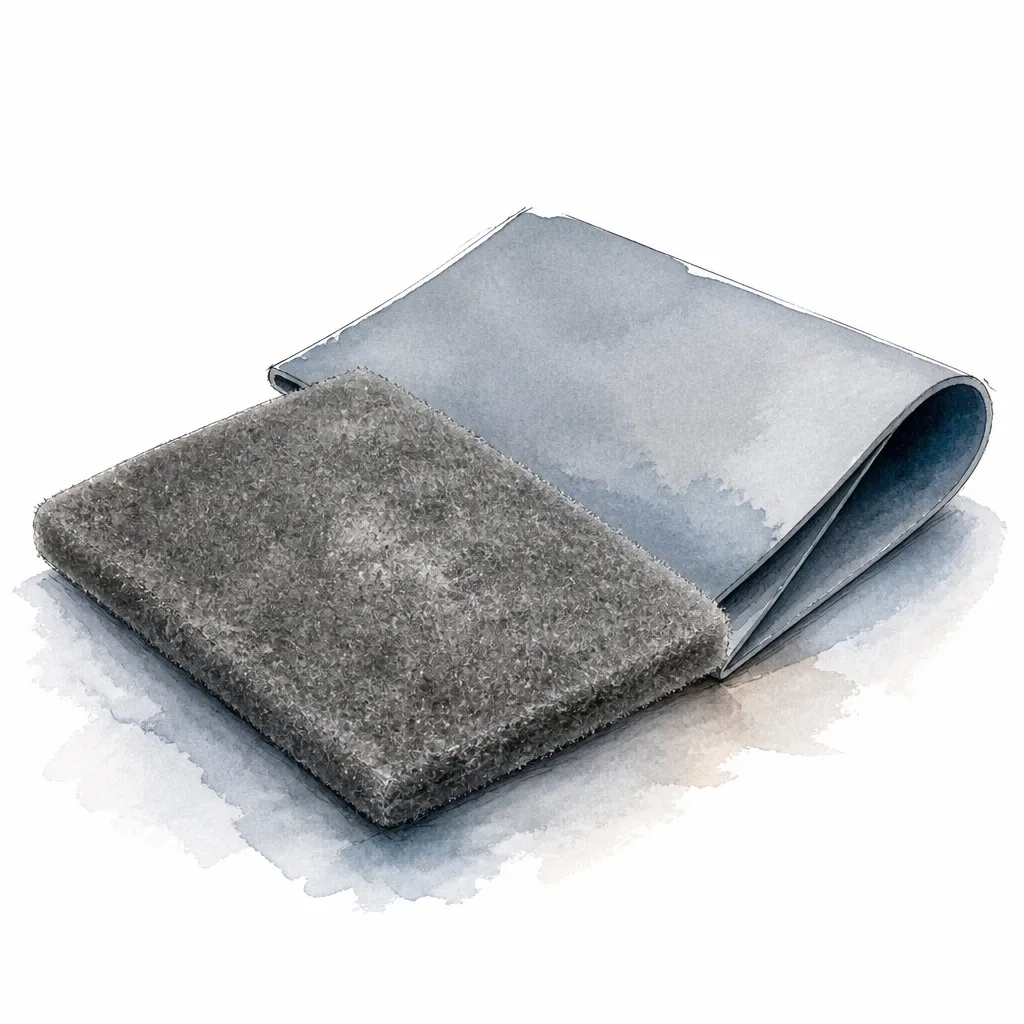
Scuff sanding, sometimes called keying or scuffing, is a light surface prep step. Cured automotive clear coat is hard and slick, and fresh paint will not bond reliably to a glossy surface. Scuff sanding takes that gloss off by working the panel with a fine abrasive, typically a grey or gold abrasive pad or fine wet-or-dry paper around 400 to 800 grit, often used with a scuffing paste. The aim is not to cut the surface down or remove paint, only to leave a uniform, dulled finish covered in microscopic scratches. Those scratches give the new coating something to grip, a mechanical key, in the same way a slightly rough wall holds paint better than a polished one. It is the standard prep before blending a repair, before clear coat goes over base, and before any panel is recoated rather than stripped.
Why it matters in Singapore
Adhesion failure is one of the worst outcomes of a cheap paint job, and Singapore's climate makes it worse. Constant heat cycling between a hot carpark and an air-conditioned space, plus heavy UV and humidity, stresses the bond between layers. If a panel was recoated without proper scuff sanding, that weak bond eventually shows as peeling, flaking, or clear coat lifting at the edges. A thorough scuff is a quiet, invisible step, but it is a large part of why a repair stays stuck to the car for years rather than months.

How Revol Carz handles this
At Revol Carz, any existing painted surface that will be recoated or blended is scuff sanded to a uniform key before paint goes on, so each new layer bonds to the one below. This is part of our standard preparation before spraying Spies Hecker products and oven-baking in the Italian Saima dust-free booth at Toh Guan. Owners get WhatsApp updates as the car moves through prep, paint, and finishing.