Tack cloth
A tack cloth is a sticky resin-treated cloth wiped over a panel just before spraying to lift dust and lint the eye cannot see.

What it means
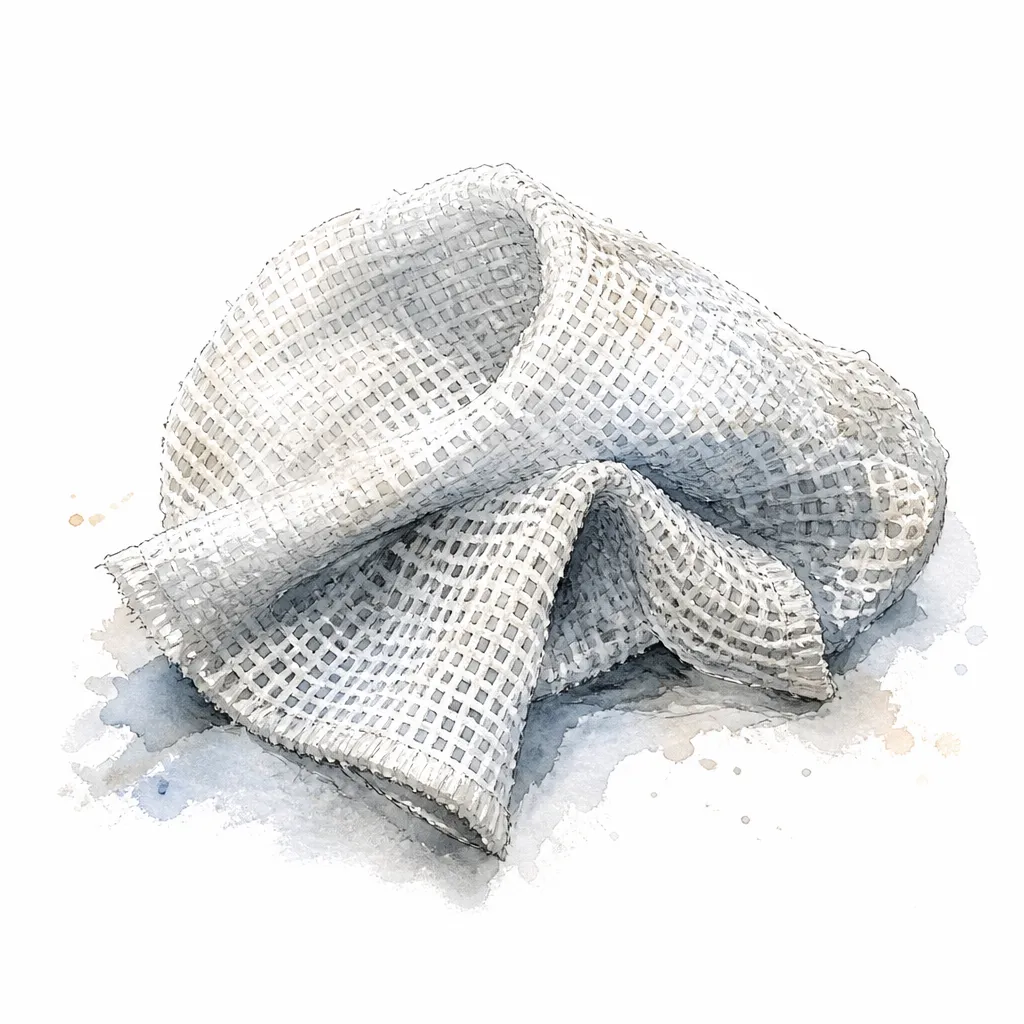
A tack cloth, sometimes called a tack rag, is an open-weave cotton or synthetic cloth that has been treated with a non-drying tacky resin. The sprayer unfolds it loosely, balls it gently, and wipes the panel with a light touch in long passes immediately before the next coat goes on. The slight stickiness picks up the fine particles that ordinary blowing and wiping leave behind: sanding dust, lint, hair, and airborne grit. It is always used after the final degreaser wipe and after the panel has been blown down with clean air, never as a substitute for them. Pressing too hard smears the resin onto the surface and can cause paint defects, so the technique is deliberately gentle. A tack cloth is single-use across a job and is folded to a fresh face as it loads up with debris.
Why it matters in Singapore
Singapore workshops fight a constant battle with airborne dust because doors and shutters are often open to the humid outdoor air, and fine sanding debris hangs in still, warm conditions. Any speck trapped under the clear coat shows up as a raised nib once the paint cures, and the only fix is colour sanding and polishing it out, or respraying the panel. Tack-cloth wiping is the cheap, fast last line of defence that keeps a respray clean enough to need only light correction afterwards.

How Revol Carz handles this
At our Toh Guan facility every panel is tack-cloth wiped inside the Italian Saima dust-free booth, immediately before each coat of Spies Hecker primer, base, and clear. Because the booth already filters incoming air and holds positive pressure, the tack cloth is removing only the last trace of dust rather than fighting open-air contamination, which is what keeps our oven-baked finishes clean.