Overspray
Overspray is the fine paint mist that drifts beyond the panel being sprayed and settles on glass, trim, wheels, or adjacent panels during a respray.

What it means
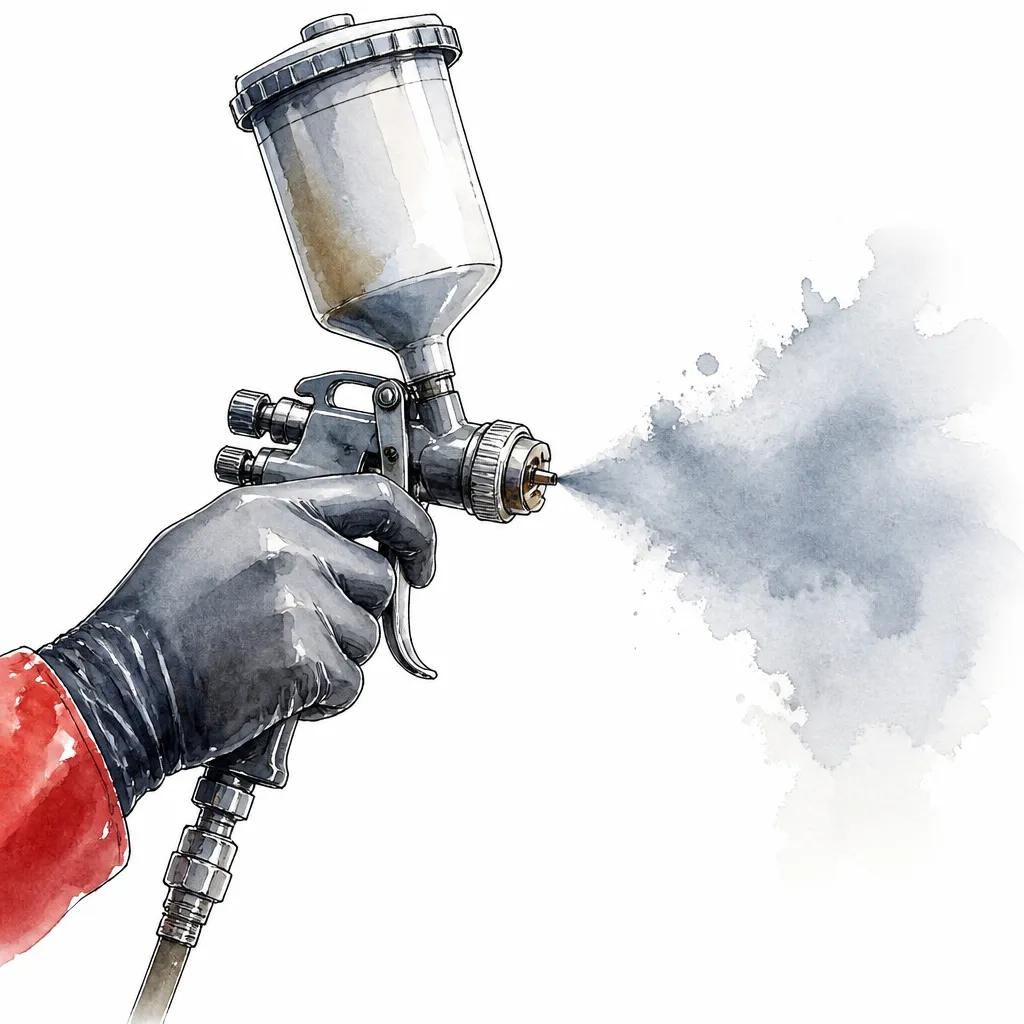
Every spray gun produces some overspray, the portion of atomised paint that does not land on the target panel. In an open bay, that mist drifts onto everything within a few metres: windscreens, headlights, rubber seals, wheels, even other vehicles. In a booth, downdraft airflow pulls overspray away from the car and into the floor extraction. The visible signs of overspray are tiny paint specks on glass that do not wipe off with water, dull patches on rubber seals, and a subtle haze on chrome trim. Overspray is preventable through three habits combined: spraying inside a sealed booth with proper airflow, careful panel-by-panel masking, and stripping (or covering) trim and glass before paint is mixed. A respray with visible overspray is a respray that was rushed.
Why it matters in Singapore
Singapore parking density means cars sit close to one another. A bodyshop spraying outside a sealed booth risks fogging the cars next door, which becomes the workshop's problem to clean off. For the customer's own car, overspray on rubber seals shortens their life and overspray on glass is a permanent cosmetic flaw that requires polishing or razor-blade removal. Both are silent giveaways of a low-quality job.

How Revol Carz handles this
Revol Carz sprays every job in our Italian Saima dust-free booth with downdraft airflow that captures overspray at floor level. We mask panel by panel, strip rubber and trim where required, and inspect under controlled light before reassembly. No spray work happens in open bays.