Timing chain
A timing chain is a metal chain that synchronises the crankshaft and camshafts, designed to last the engine's life but able to stretch or wear with neglect.

What it means
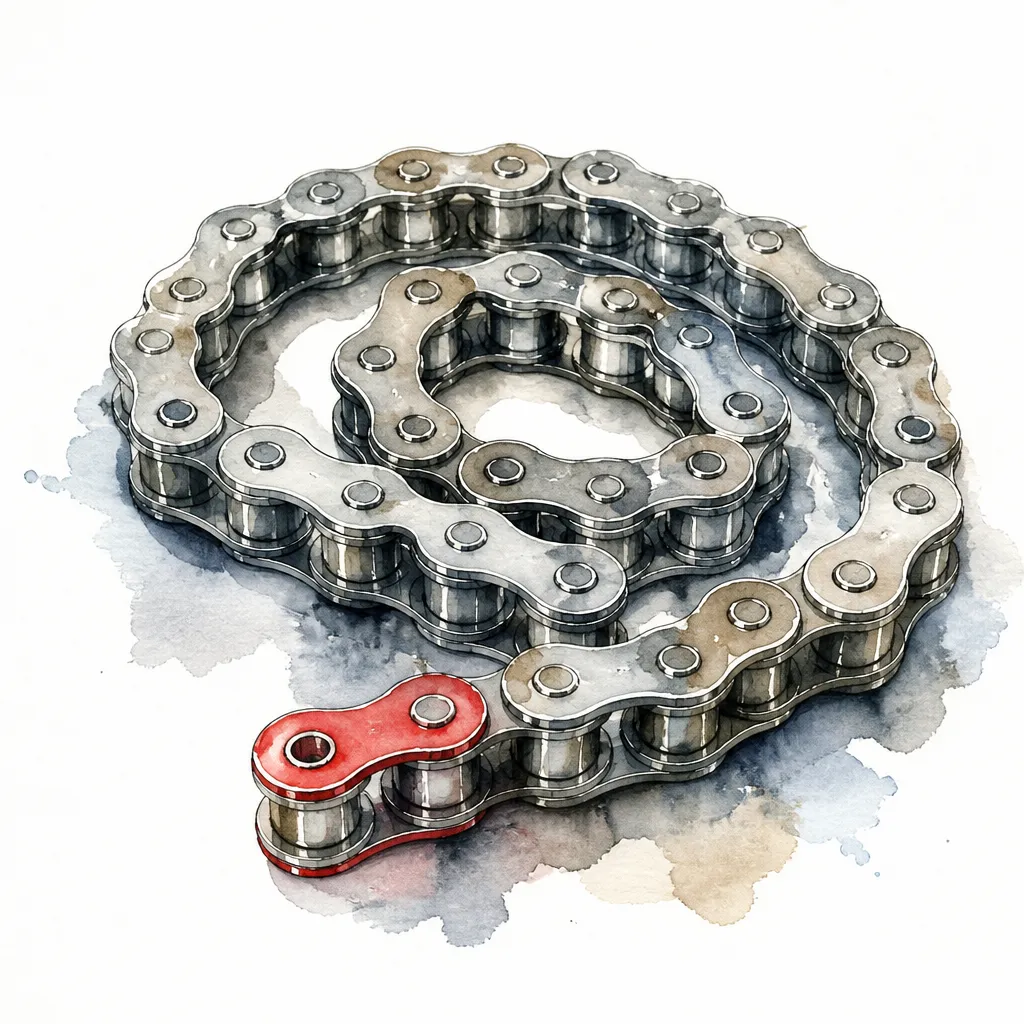
The timing chain links the crankshaft to the camshafts so the valves open and close in exact step with the pistons. It runs over toothed sprockets, is kept under tension by a hydraulic tensioner, and is guided by plastic rails. Unlike a rubber timing belt, a chain runs inside the engine and is bathed in engine oil, which is why many manufacturers describe it as a lifetime component. In practice it is not maintenance-free. Over high mileage the chain can stretch as its links and pins wear, the tensioner can lose pressure, and the plastic guides can crack. A stretched chain throws off valve timing, which the engine computer flags as a fault, and in severe cases the chain can jump a tooth or break. Some European engine families have a known reputation for timing chain wear, so a rattle on cold start is a symptom worth investigating early.
Why it matters in Singapore
Singapore's stop-start traffic means an engine clocks far more running hours per kilometre than one used mostly on a motorway, and timing chain wear tracks running hours and oil condition more than distance. With the COE system keeping many cars in service for a full ten years, a chain that was fine at year five can develop wear well before the car is retired. Clean oil at sensible intervals is the single best protection.

How Revol Carz handles this
Revol Carz Garage listens for cold-start rattle and reads camshaft timing values during diagnostics for BMW, Mercedes, Audi, and Volkswagen to judge whether a timing chain has stretched. Where the chain, tensioner, or guides need replacement, we fit OEM-grade parts and reset any related fault codes once the work is verified.