Wrapped-edge PPF install
A wrapped-edge PPF install tucks the protection film around panel edges and into shut lines, rather than trimming it flush, for a hidden line and longer-lasting result.

What it means
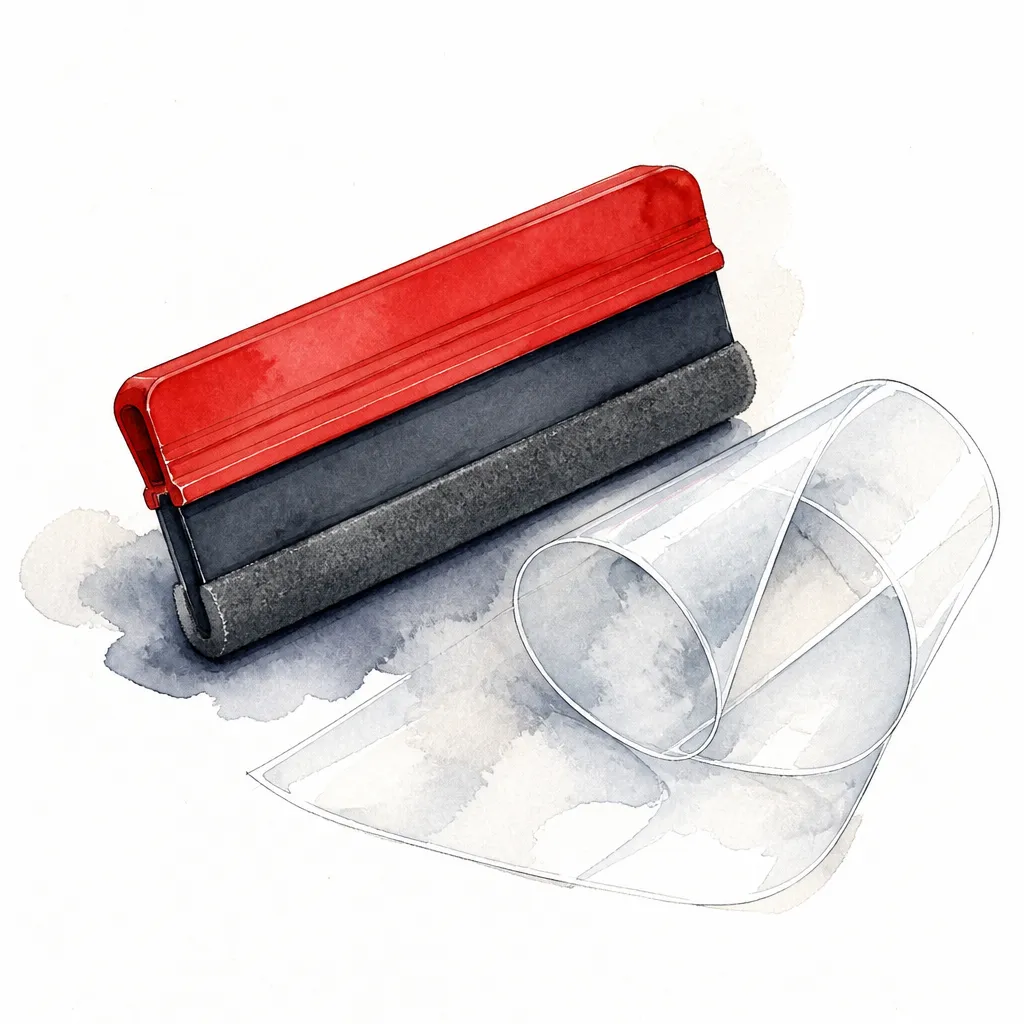
Wrapped-edge PPF describes how the film is finished at the borders of each panel. In a flush-cut install, the film is trimmed at or near the panel edge, which can leave a faint visible line and an exposed edge. In a wrapped-edge install, the fitter pulls the film over the panel edge and tucks it into the shut lines and recesses, around door edges, bonnet lips, and bumper returns. The film line then sits hidden inside the gaps rather than on the visible face of the panel. This does two things. It makes the protection nearly invisible, with no border to catch the eye. It also seals the edge, so the film is far less likely to lift, peel, or trap dirt and grit over time. The trade-off is skill and labour: wrapping edges cleanly takes more time and a more experienced installer, but the result is cleaner and lasts longer.
Why it matters in Singapore
Singapore's heat, humidity above 80 percent, and frequent rain put real stress on film edges. An exposed flush-cut edge is the first place a film starts to lift or collect grime in this climate, and that quickly looks untidy. A wrapped, tucked edge stays sealed and clean for far longer, which protects both the appearance and the resale value of the car over a long ownership.

How Revol Carz handles this
Revol Carz does not install paint protection film, so we do not offer wrapped-edge installs. Edge lifting is one of film's built-in weaknesses: even a well-tucked edge is working against heat, humidity, and wash pressure for the life of the film. Our paint protection is SGS-certified ZeTough ceramic coating, which bonds to the paint itself and has no edges to lift, trap grime, or peel.