Self-healing film
Self-healing film is paint protection film with an elastomeric topcoat that re-flows when warmed, erasing light swirl marks and fine scratches on its own.

What it means
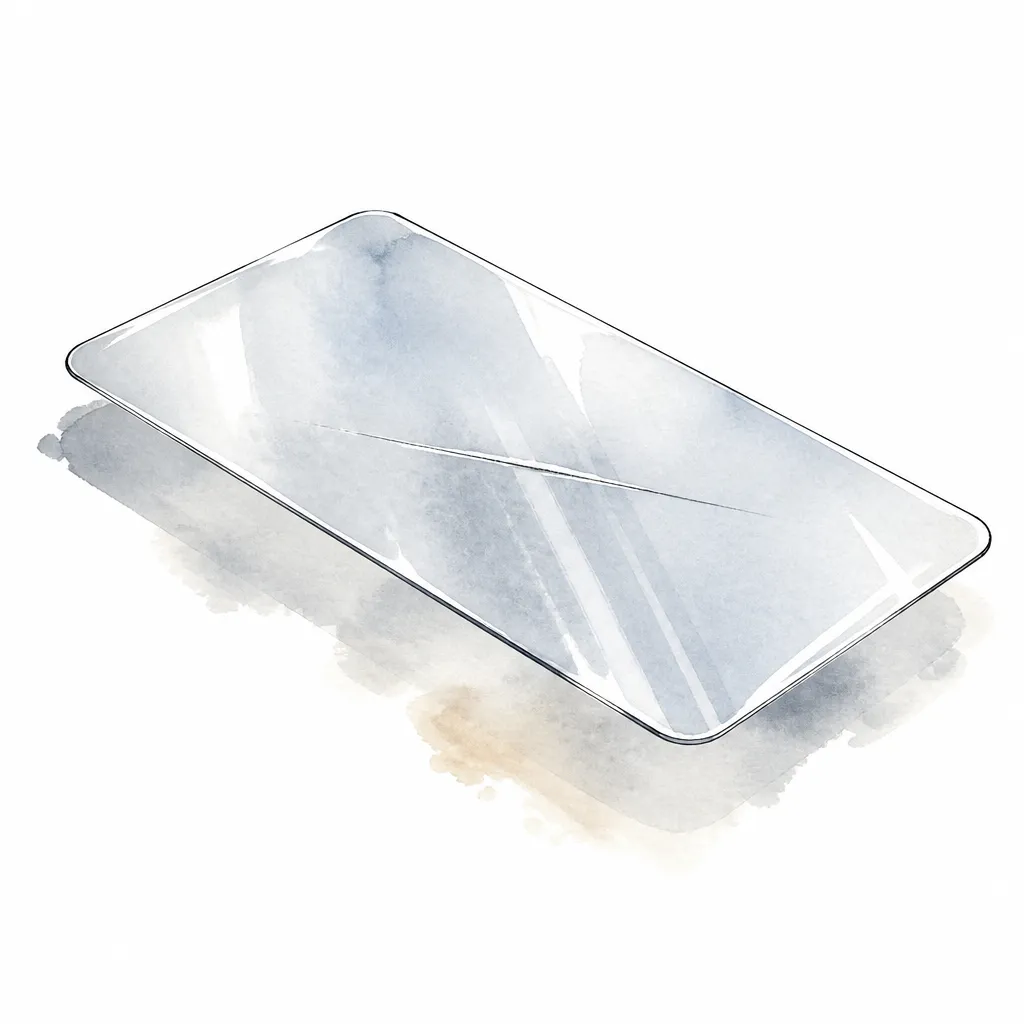
Self-healing is the defining property of a quality paint protection film, also called PPF. The film is built with a clear, elastomeric polyurethane topcoat. When that topcoat is warmed, by direct sunlight, by warm water, or by a heat gun, it softens and re-flows back to its original smooth shape. Light surface marks such as fine swirl marks, wash scratches, and minor scuffs simply vanish as the polymer relaxes. The healing is limited to the topcoat. It addresses cosmetic, surface-level damage only. A deep cut, a stone chip that punches through the film, or a gouge that reaches the layers beneath will not close up on its own and usually means that section of film needs replacing. The effect repeats many times over the life of the film, which is why self-healing PPF keeps a glossy, mark-free look far longer than bare clear coat.
Why it matters in Singapore
Singapore's heat works in this film's favour day to day. With strong year-round UV and ambient temperatures that keep panels warm, self-healing film often resets light marks within a single sunny day. The same equatorial sun cuts both ways, though: the topcoat is a consumable, and as the film ages it can yellow, crack, and need replacing.

How Revol Carz handles this
Revol Carz does not install self-healing film or any paint protection film. Film ages as a consumable under Singapore UV: it can yellow, crack, and lift at the edges, and once worn it has to be stripped and replaced. Our paint protection is SGS-certified ZeTough ceramic coating applied over corrected paint, maintained through regular grooming rather than replaced.