Paint protection film (PPF)
Paint protection film, or PPF, is a clear, self-healing polyurethane film applied to a car's exterior to physically absorb rock chips, scratches, and minor impacts.

What it means
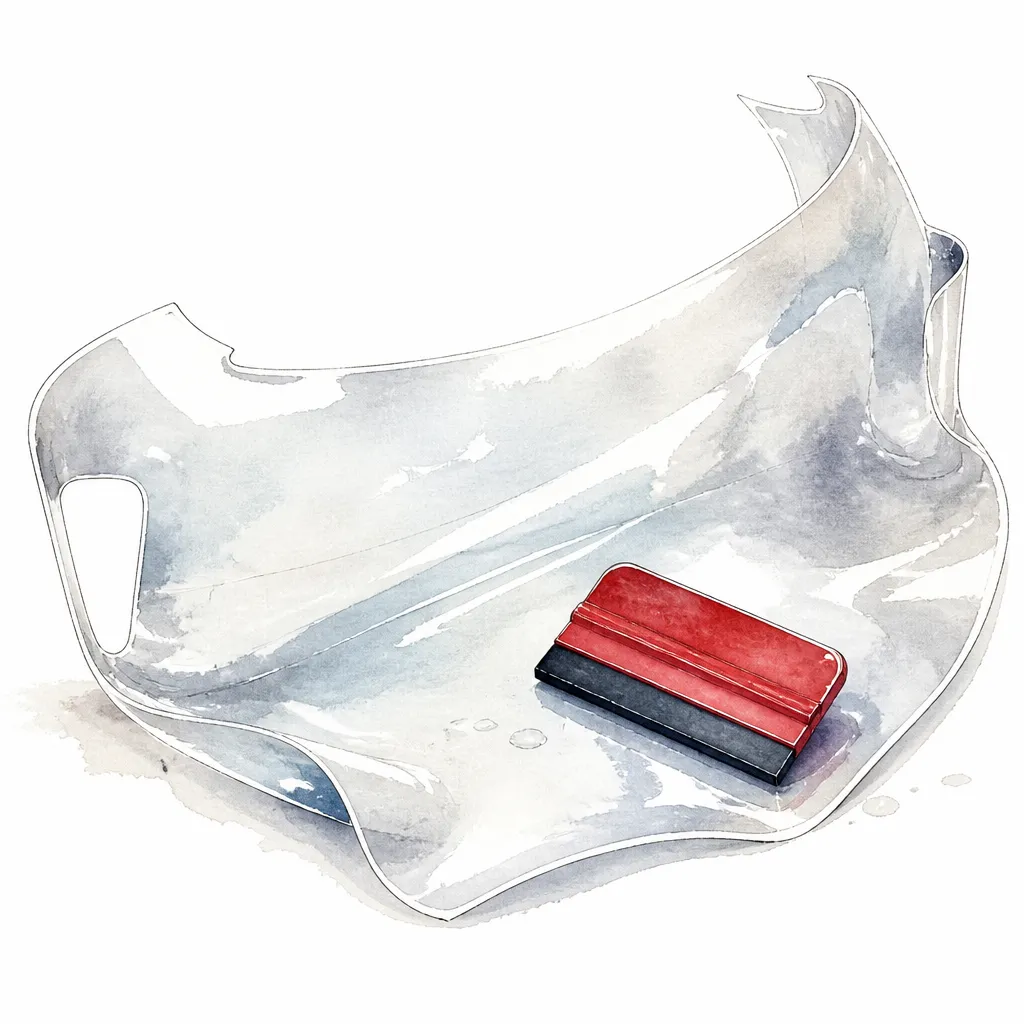
PPF is a thicker, mechanical form of paint protection. Where a ceramic coating is a chemical layer measured in microns, PPF is a flexible film typically 150 to 200 microns thick, cut to the panel and applied wet. Modern PPFs are self-healing: minor scratches in the film disappear when the surface is warmed by sun or warm water as the polymer reflows. PPF is fitted most often to high-impact zones, the front bumper, bonnet, side mirrors, headlights, and door cups, but full-vehicle PPF is also possible. It is more impact-resistant than any ceramic coating but visible at close range as a slight edge line where the film terminates. PPF and ceramic coating are not mutually exclusive; many premium-car owners apply both, with ceramic on top of the film for hydrophobic behaviour and easier washing.
Why it matters in Singapore
Singapore's expressway speeds and frequent road works create plenty of stone-chip risk. Daily commutes along the PIE and the SLE in particular put bonnets and front bumpers in the firing line. PPF is the only protection that physically absorbs an impact rather than just resisting surface wear, which is why some owners consider it despite the film's aging problems: it can yellow, crack, and lift over time, and worn film must be stripped and replaced.

How Revol Carz handles this
Revol Carz does not install or recommend PPF. Film absorbs stone chips, but it is a consumable: under Singapore UV it can yellow, crack, and lift at the edges, and worn film has to be stripped off and replaced. Since 2003 our paint protection has been SGS-certified ZeTough ceramic coating over corrected paint, maintained through regular grooming rather than replaced.