Air filter
The engine air filter is the paper or synthetic filter element that sits in the intake tract and traps dust, sand, and debris before air reaches the engine.

What it means
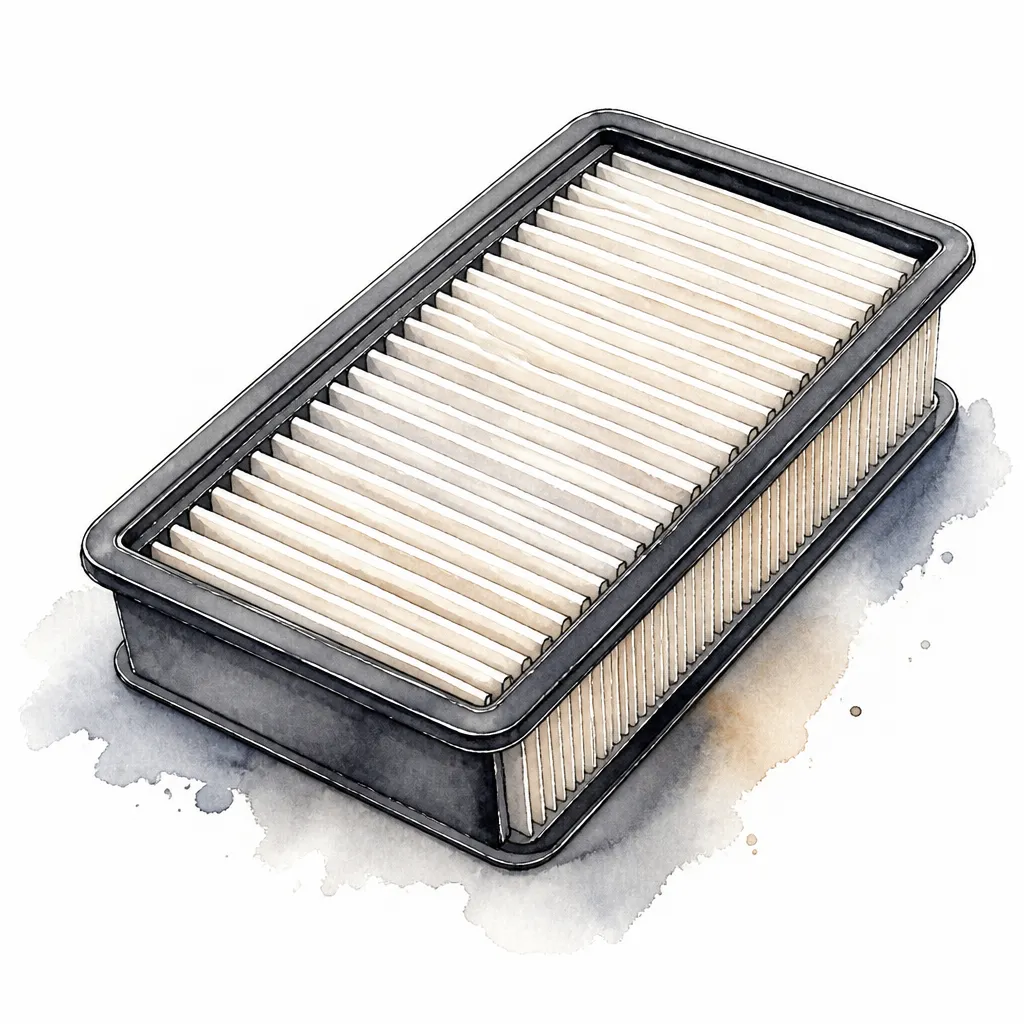
Modern engines breathe a lot of air. Even a small displacement engine pulls thousands of cubic metres per hour at highway speed. The air filter sits in the intake tract (usually inside an airbox) and removes airborne particulates before they reach the throttle body, mass airflow sensor, and combustion chamber. A clogged air filter restricts airflow, which the engine management compensates for by reducing fuel and power output. A torn or improperly seated filter lets dust through, which scores cylinder walls and contaminates the mass airflow sensor. Service intervals vary by manufacturer (typically every 30,000 to 60,000 km on European cars) and by environmental conditions. Reusable performance filters exist but require periodic re-oiling and can over-oil the MAF sensor if maintained badly. OEM paper or synthetic filters are the safe default for daily-driven cars.
Why it matters in Singapore
Singapore air is cleaner than many regional capitals, but construction dust, tropical humidity, and pollen still load the air filter faster than the manufacturer's interval assumes. A more conservative replacement interval (say every 20,000 to 30,000 km) is one of the cheapest engine-protection habits an owner can build.

How Revol Carz handles this
Revol Carz Garage inspects the air filter at every major service, uses OEM filters as standard, and notes condition for the next interval. We never reuse a paper filter.