Beading
Beading is the way water forms tight, near-spherical droplets on a protected paint surface and rolls off, instead of spreading flat.

What it means
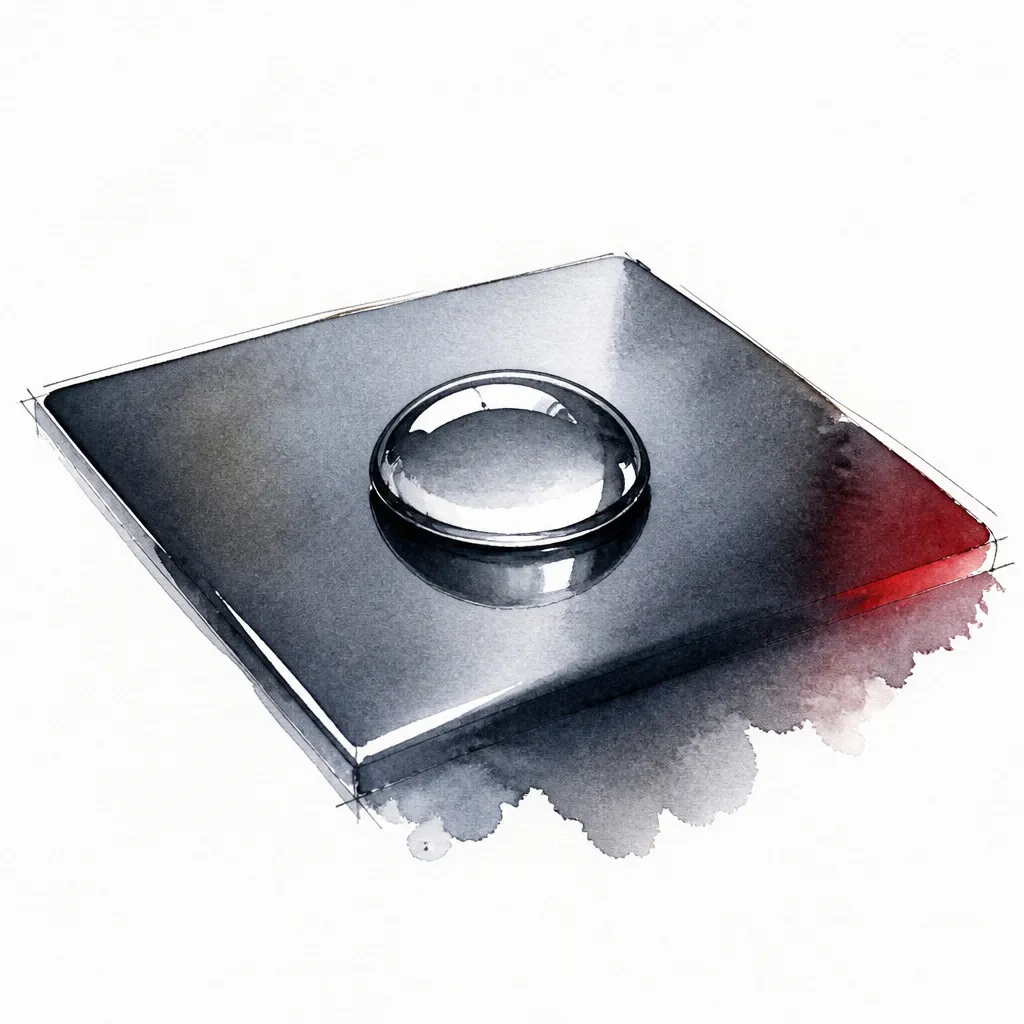
Beading is a visible side effect of a hydrophobic surface. When water lands on paint that still carries a working ceramic coating or sealant, surface tension keeps it pulled into round droplets that sit high on the panel. The smaller and tighter those droplets, the stronger the coating's water-repelling chemistry. Beading is not the protection itself. It is a signal that the protection layer has not yet broken down. As a coating ages or as detergents and contaminants build up, droplets flatten and start to spread, which is your first visual cue that the surface needs decontamination, a refresh wash, or a top-up of protection. Most ceramic coating customers learn to read beading as a quick at-home health check on their paint.
Why it matters in Singapore
Singapore's climate runs the test daily. Sudden afternoon downpours, high humidity, and constant UV all attack a coating's surface chemistry. Cars that park outdoors in HDB carparks or office buildings see heavier exposure to acid rain, bird droppings, and tree sap, all of which gradually dull a coating's beading behaviour. Watching beading is the simplest way for a Singapore owner to know whether the coating is still working without booking a paint inspection. When droplets stop forming, it is time to come in for a service.

How Revol Carz handles this
Every ZeTough ceramic coating package at Revol Carz is engineered to deliver tight, fast-rolling beading from day one. We test water behaviour after curing before we hand the car back, and we ask owners to do the same at every wash. If beading flattens earlier than expected within the warranty window, we inspect the coating and refresh it under warranty.