Contact angle
Contact angle is the angle a water droplet forms where its edge meets the paint, the measurable property behind how strongly a coated surface beads and sheets water.

What it means
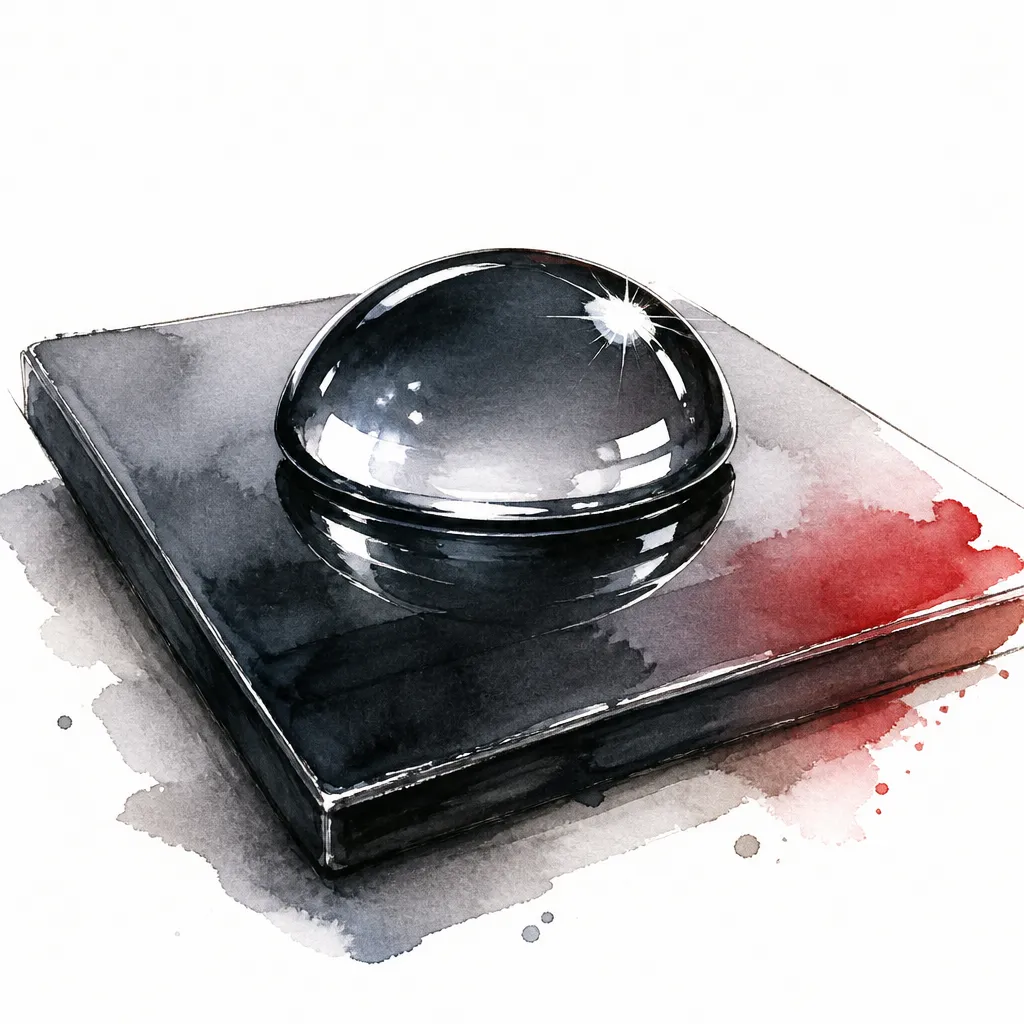
Contact angle is measured at the point where the curved edge of a resting water droplet meets the surface beneath it. On a surface that water likes, the droplet spreads out flat and the angle is low. On a water-repelling surface, the droplet pulls itself into a tight bead and the angle is high. The dividing line sits at 90 degrees: above that, a surface is hydrophobic, and above roughly 150 degrees it is described as superhydrophobic. Contact angle is the objective, repeatable number behind what owners see as beading and water sheeting. A freshly applied ceramic coating produces a high contact angle, which is why water rolls off so cleanly when a coating is new. As the coating ages and the surface picks up contamination, the angle gradually falls, the droplets flatten, and the car starts to need maintenance or renewal.
Why it matters in Singapore
In Singapore's frequent downpours, a high contact angle means rain beads up and sheets off the car instead of clinging and drying into spots. As a coating ages here under heavy UV and humidity, the contact angle drops faster than in milder climates. Watching how tightly water beads is a simple way for owners to judge when a coating's protective performance is fading.

How Revol Carz handles this
Revol Carz selects ZeTough coatings, Glass 6H, Ceramic 9H, and Titanium, that establish a strong contact angle from the moment they cure. During maintenance visits our team checks how water behaves on the paint, advises when a coating is losing its repellency, and recommends a topper or renewal before performance falls off noticeably.