EPS (Electric Power Steering)
EPS, or Electric Power Steering, is the system that uses an electric motor (instead of a hydraulic pump) to assist the driver in turning the wheels.

What it means
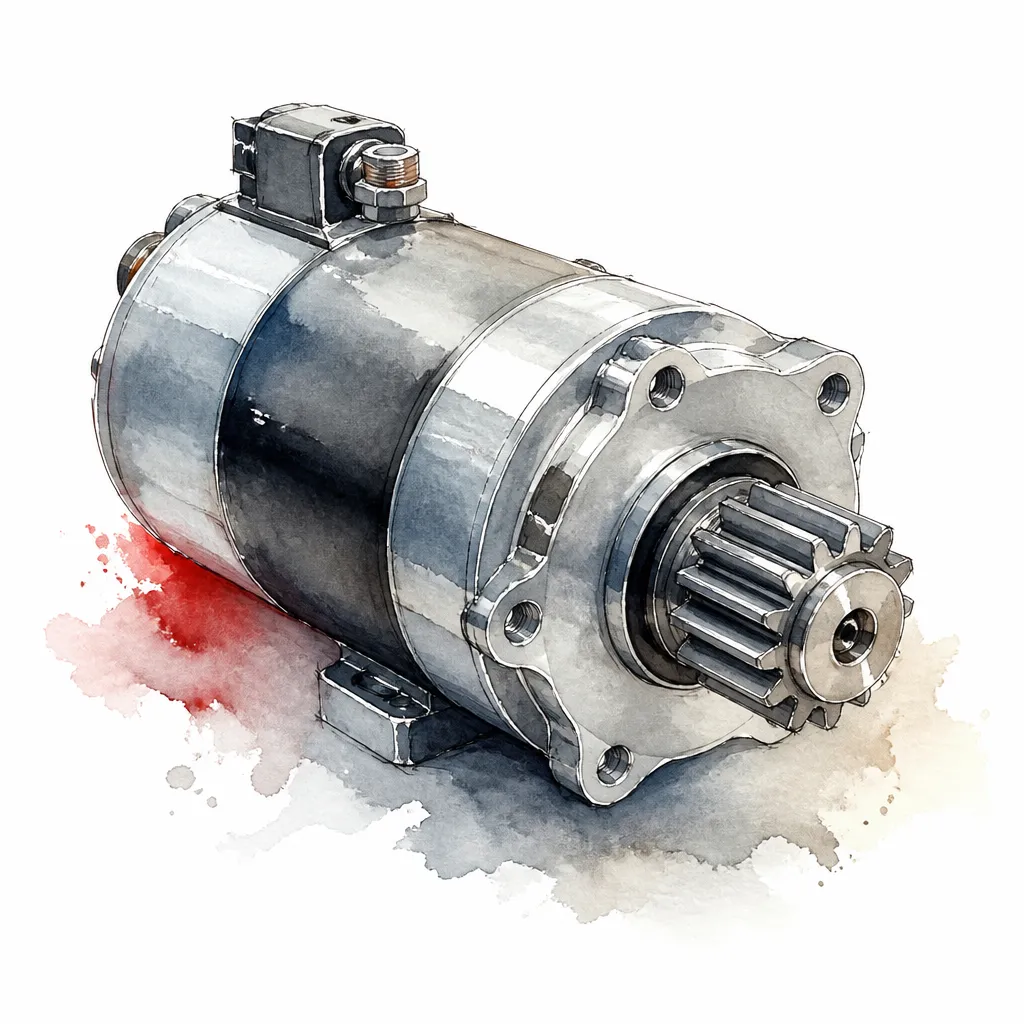
Older cars used hydraulic power steering: a belt-driven pump pressurised fluid that did the work of assisting the driver's input. Modern cars (almost everything since the mid-2000s) use Electric Power Steering: a small electric motor on the steering rack or column that applies torque based on inputs from a torque sensor and the car's speed. EPS is more efficient (no constant load on the engine), enables features like lane-keeping assist and parking assist, and is generally more reliable than hydraulic systems because it has fewer wear items. When EPS does fail, symptoms can be alarming: warning lights, sudden loss of assist (steering goes heavy), or in extreme cases the system going into a fail-safe mode. Diagnosis requires brand-specific tools to read the EPS module's fault codes. Repair ranges from sensor replacement to full rack replacement depending on the failure point.
Why it matters in Singapore
EPS issues on European cars in Singapore tend to be expensive when they happen, and they often show up alongside other electrical or sensor faults that confuse generalist workshops. A workshop that can read the EPS module directly through brand-specific diagnostics scopes the repair properly the first time, rather than swapping parts on guesswork.

How Revol Carz handles this
Revol Carz Garage diagnoses EPS faults with brand-specific tools (XENTRY, ISTA, ODIS as appropriate) and replaces with OEM components when needed. We do not chase EPS warning lights without proper diagnosis.