Etch primer
Etch primer is an acid-containing first primer that chemically bites into bare metal for corrosion resistance and adhesion before body primer goes on.

What it means
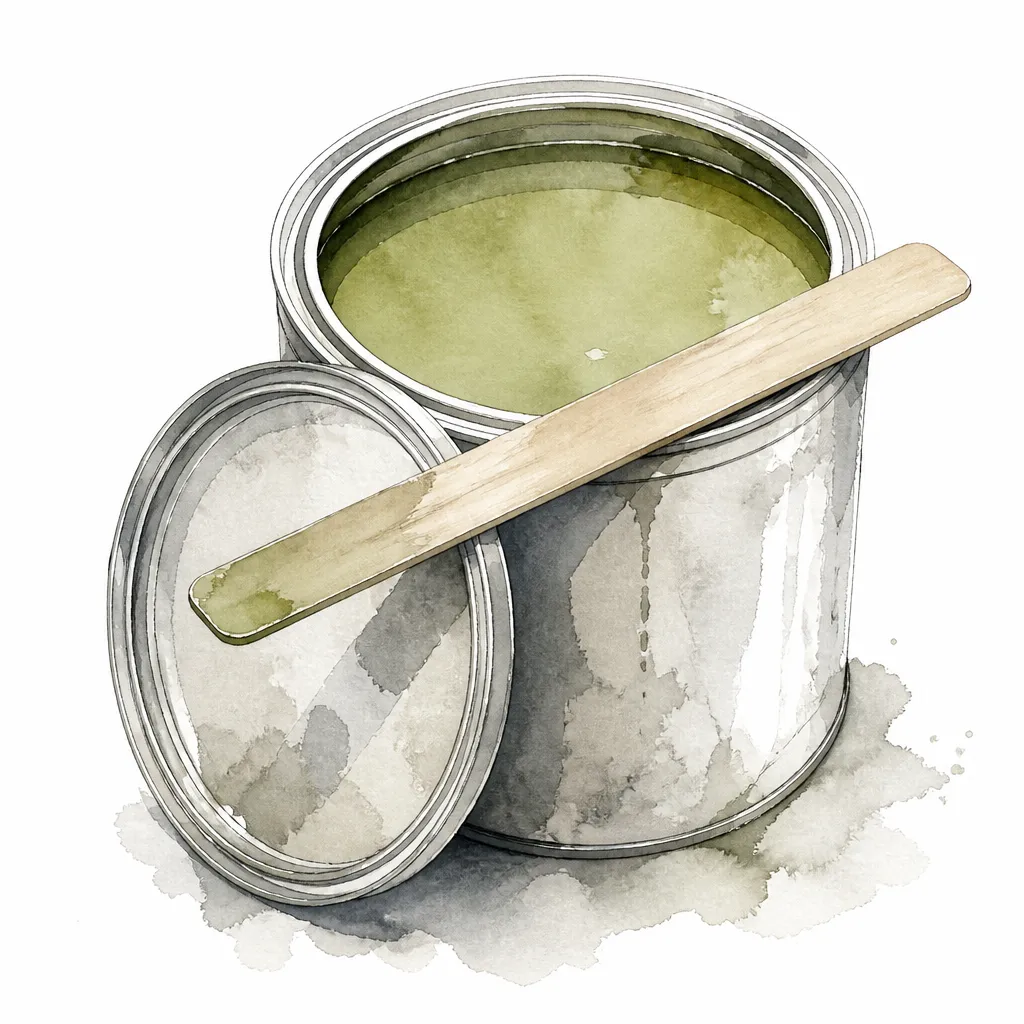
Etch primer, sometimes called self-etch or wash primer, is the first coating applied directly to bare metal during a paint repair. It contains a small amount of acid, usually phosphoric acid, which reacts with the clean steel or aluminium surface and forms a thin, tightly bonded conversion layer. That chemical bite does two jobs: it gives the rest of the paint system a surface it can grip, and it slows down the corrosion that bare metal would otherwise start the moment it meets moisture. Etch primer is sprayed in thin coats and is not a filler. It goes on, flashes off, and is then over-coated with a high-build primer-surfacer that does the levelling. Skip the etch primer and the whole stack above it can lift, blister, or rust from underneath.
Why it matters in Singapore
Singapore's heat and high humidity are hard on exposed metal. Once a panel is sanded down to bare steel during accident or rust repair, surface oxidation can begin within hours in this climate, and any moisture trapped under fresh paint becomes a future rust bloom. A proper etch primer step is the corrosion barrier that keeps a repair looking good years later, not just on collection day. For cars kept long-term to maximise the value of a ten-year COE, that buried first coat is one of the things separating a repair that lasts from one that bubbles.

How Revol Carz handles this
When a repair at Revol Carz exposes bare metal, the panel is cleaned and etch primer is applied before any filling or body primer, then over-coated within the paint system's recommended window. We spray Spies Hecker products through the full primer stack in our Italian Saima dust-free booth at Toh Guan, with oven-baked curing so every layer bonds properly. Owners get WhatsApp updates as the car moves through prep, primer, and topcoat.