High-build primer
High-build primer is a thick-filling primer-surfacer sprayed in heavy coats to fill fine sand scratches and minor low spots, then block-sanded flat.

What it means
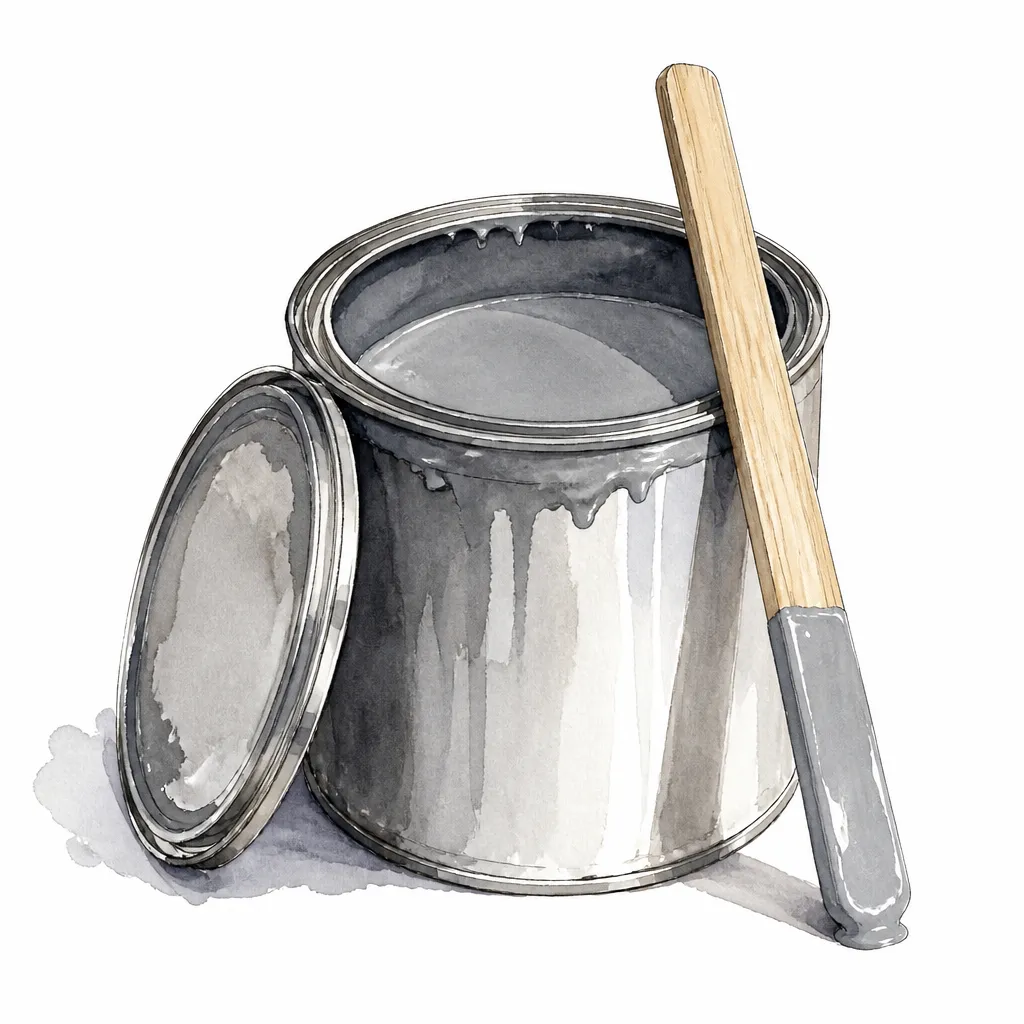
High-build primer, also called primer-surfacer, is the heavy filling coat in a paint system. Where etch primer is sprayed thin for adhesion, high-build primer is loaded with solids so it goes on thick and can fill the fine 80 to 180 grit sanding scratches left in body filler and old paint, plus any shallow low spots a panel still carries after filling. Two or three good coats are sprayed on, allowed to cure, and then block-sanded back. The block, a flat sanding tool, cuts the high points and leaves primer sitting in the lows, so the panel ends up genuinely flat rather than just smooth to the touch. A guide coat is usually dusted on first to make that sanding read clearly. Done properly, high-build primer is the layer that decides how straight the finished panel looks in reflected light.
Why it matters in Singapore
Singapore's strong, direct sunlight is unforgiving on bodywork. A panel that was filled and topcoated without proper high-build primer and blocking will show every ripple and sanding mark once it sits in a carpark under the midday sun, especially on darker colours and metallics common on cars here. The primer-surfacer stage is invisible on the finished car, but it is where a flat, distortion-free reflection is either won or lost. Rushing it to shorten turnaround is a false economy the owner sees every sunny day.

How Revol Carz handles this
At Revol Carz, repaired and filled panels are built up with high-build primer, guide-coated, and block-sanded flat before any base coat is sprayed. We use the Spies Hecker primer system and oven-baked curing in our Italian Saima dust-free booth at Toh Guan so each coat hardens fully before sanding. Owners get WhatsApp updates as the car moves through filling, priming, and topcoat.