Hardness rating (6H, 9H)
Hardness rating measures a coating's resistance to surface scratching using the pencil hardness scale, where higher numbers like 9H signal greater scratch resistance than lower ones like 6H.

What it means
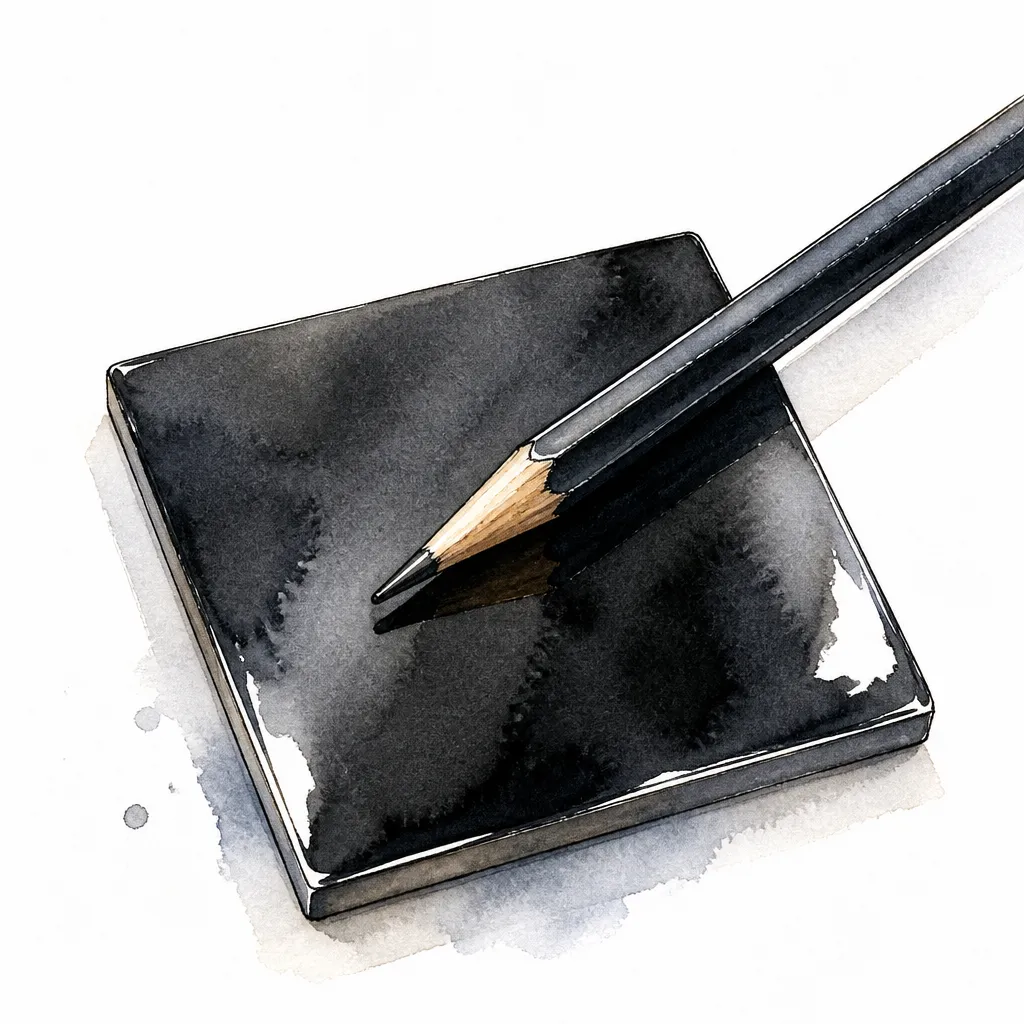
The pencil hardness scale runs from soft (6B) up to hard (9H and beyond) and is the standard test for surface coatings. To grade a coating, a calibrated set of pencils of increasing hardness is dragged across the cured surface; the hardest pencil that does not leave a scratch is the rating. ZeTough Glass is rated 6H. ZeTough Ceramic is rated 9H. ZeTough Titanium exceeds 9H. The number describes one specific property, scratch resistance from contact with a hard object. It does not describe gloss, durability against acid rain, or the warranty length the coating carries. A 9H coating is harder than a 6H one, but the warranty difference is set by the formula's overall stability, not by the pencil number alone.
Why it matters in Singapore
Hardness rating is the spec most often used in marketing, which is why Singapore buyers shopping for coatings see it everywhere. Knowing what it does and does not mean is the easiest way to avoid overpaying for a number, or under-buying because two products quote the same hardness while differing in everything else. Hardness is one input. Warranty length, prep workflow, and applicator skill matter just as much.

How Revol Carz handles this
Revol Carz publishes the hardness rating for each ZeTough tier alongside its warranty: Glass 6H, Ceramic 9H, Titanium above 9H. Customers see both numbers when they enquire so the comparison is apples to apples and the trade-off between hardness and warranty length is clear.