Quattro
Quattro is Audi's all-wheel drive system, splitting engine torque between the front and rear axles to deliver traction and stability across road conditions.

What it means
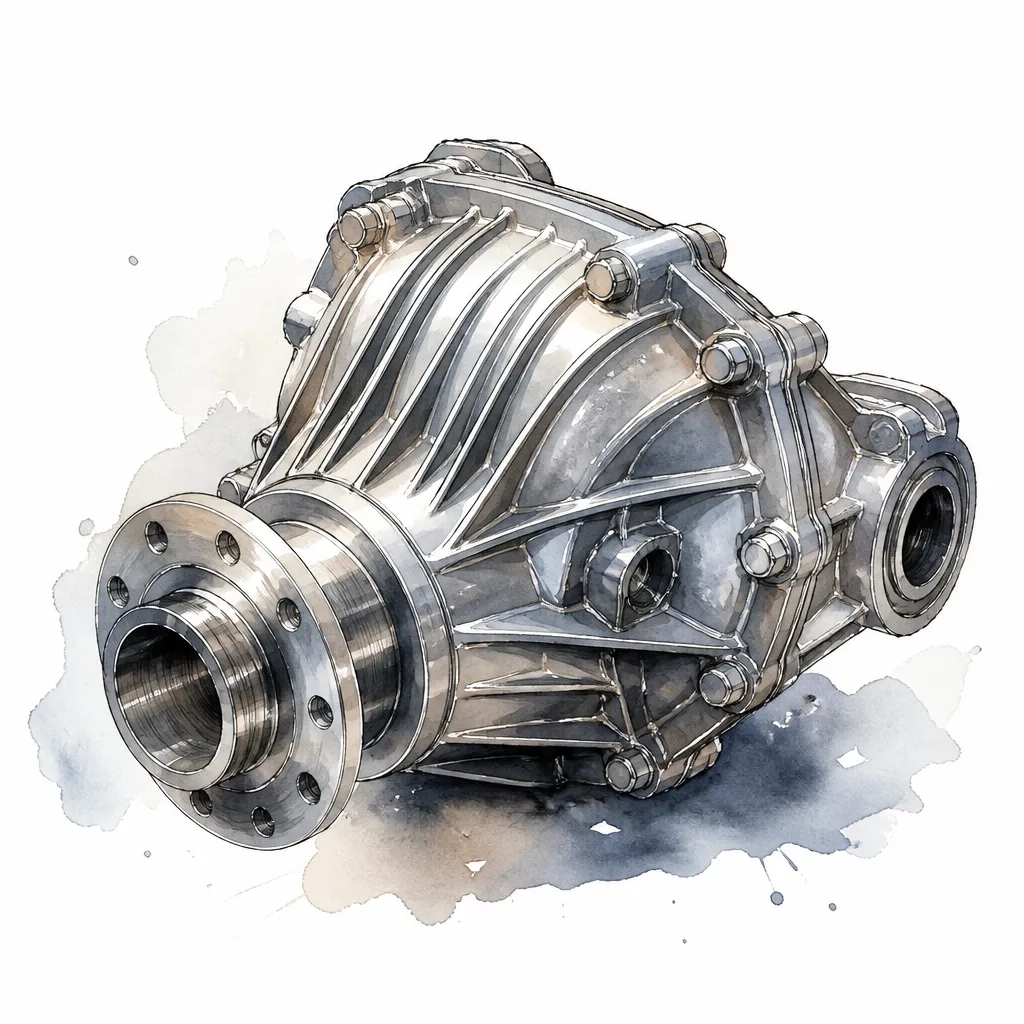
Audi has used the quattro name since 1980, and the underlying technology has gone through several generations. Most modern longitudinal-engine quattro cars (A4, A5, A6, A7, Q5, Q7) use a Torsen-style centre differential or an electronically controlled multi-plate clutch to split torque between the axles. Transverse-engine quattro cars (A1, A3, Q3) use a Haldex-style multi-plate clutch system that nominally drives the front wheels and engages the rear when needed. RS-branded models use more aggressive variants of the same architecture. From a service standpoint, quattro-specific items include front and rear differential fluid changes, transfer case fluid, Haldex pump and filter service (on transverse models), and CV joint and driveshaft inspection at the rear. These items are easy to overlook on a quattro car serviced as if it were front-wheel drive only, which leads to expensive driveline issues later.
Why it matters in Singapore
Singapore is not exactly snow country, but quattro buyers often choose the system for the on-road composure it provides in heavy rain and at expressway speeds, plus the resale appeal that comes with the badge. Maintaining the quattro driveline correctly preserves both. A workshop that knows what fluids to change at what intervals, and which Haldex generation a car has, is the difference between a long-life quattro and a expensive one.

How Revol Carz handles this
Revol Carz Garage services quattro driveline components on Audi as part of standard maintenance: differential fluids, transfer case, Haldex (where applicable), and driveline inspection. We use OEM-spec fluids and the correct service interval for each model.