Acid rain
Acid rain is rain that has picked up dissolved atmospheric pollutants, making it mildly acidic and able to slowly etch and dull unprotected car paint.

What it means
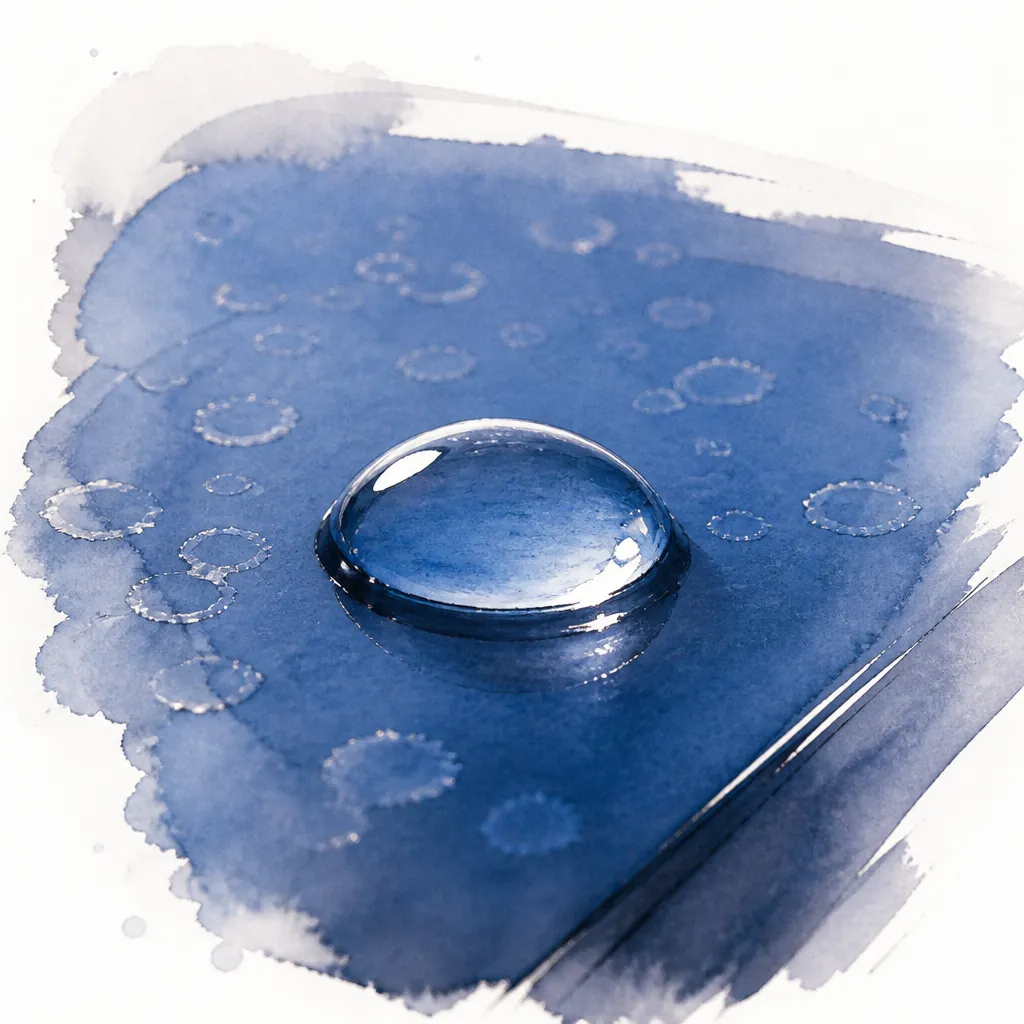
Acid rain forms when rainwater passes through air that holds pollutants such as sulphur and nitrogen compounds from vehicle exhaust and industry. The water dissolves those compounds and falls slightly acidic. On its own, a single shower of mildly acidic rain does little. The damage builds when the water sits on paint and then dries. As the water evaporates, the acids and minerals left behind become more concentrated, and on a hot panel that concentrated residue can react with the clear coat. Over many cycles this slowly etches and dulls the surface, leaving faint rings, water spots, and a hazy look that no longer reflects light cleanly. Unprotected clear coat takes the hit directly, while a coated or filmed surface gives the acids far less to grip.
Why it matters in Singapore
Singapore sees frequent rain and dense traffic, so paint is exposed to acidic showers often. The bigger problem is the climate that follows: rain is regularly chased by strong sun, so water dries fast and acids concentrate on a hot panel within minutes. A car parked outside after a downpour is the classic case. Prompt rinsing and a protective layer both reduce how much acid rain can dull the finish.

How Revol Carz handles this
We treat acid rain as one of the main reasons to protect paint rather than just clean it. A ZeTough ceramic coating gives acidic water a smooth, sealed surface that is far harder to etch, and it makes the panel easier to rinse before residue dries. Where light etching has already set in, we assess whether paint correction can restore the gloss before any coating goes on.