Bonnet (hood)
The bonnet, called the hood in American English, is the hinged front body panel that opens to access the engine bay.

What it means
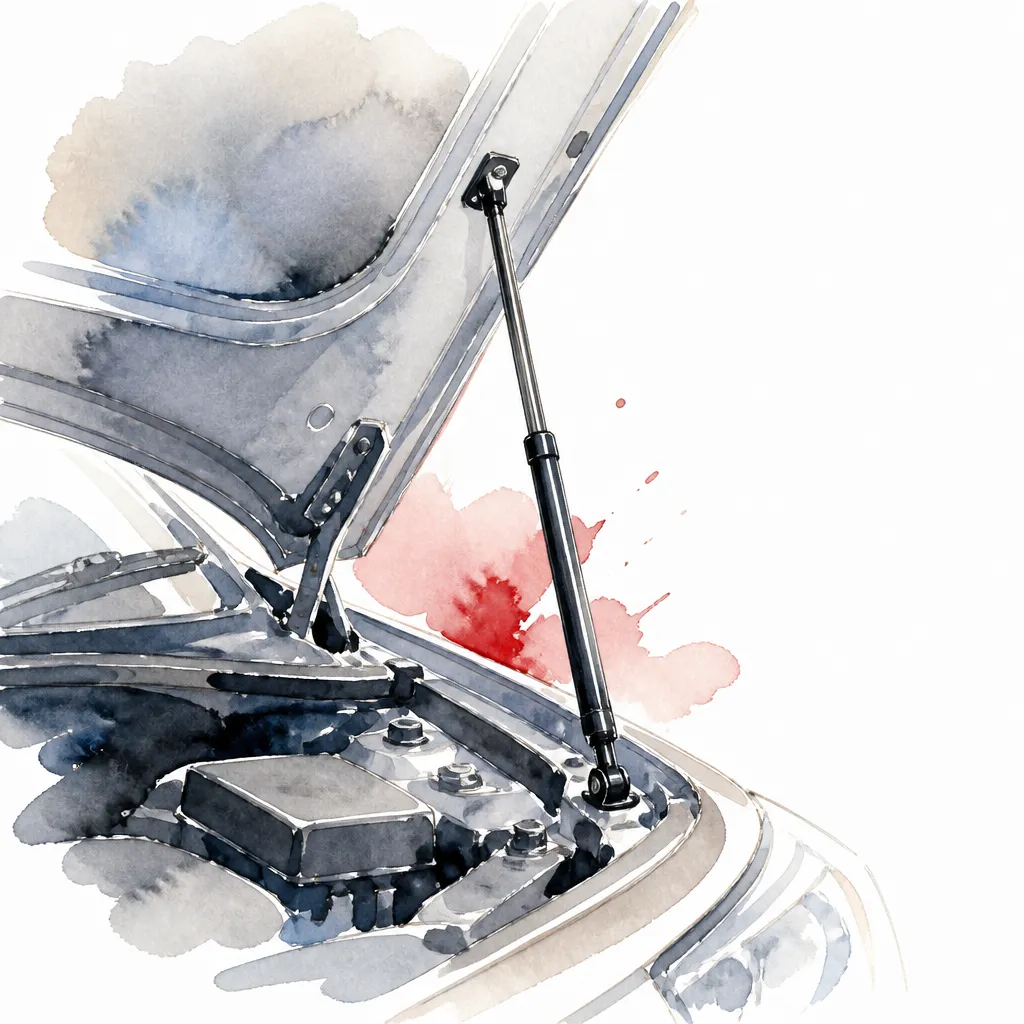
Bonnets are usually the largest single panel on the front of a car. They are typically thin steel or aluminium pressed in a contoured shape, hinged at the back near the windscreen, latched at the front, with springs or hydraulic struts to hold them open. Most modern bonnets are also engineered as part of pedestrian safety: they crumple in a controlled way on the occupant side of a hit, with engineered crush space between the bonnet and the engine. The bonnet is heavily exposed to road damage. Stone chips from the car ahead, dust storms, bird droppings, and tree sap all hit the bonnet first and hardest. Even careful daily drivers see the leading edge of the bonnet developing stone chips by year three or four. Repair options range from individual stone chip touch-up (cheap but visible up close) to full bonnet respray (more expensive but invisible) to paint protection film (PPF) over the leading edge or the whole bonnet (most expensive upfront but the only true preventative).
Why it matters in Singapore
Singapore expressway driving (PIE, SLE, KPE, AYE) is where most bonnet stone-chip damage happens. The cars driven hardest on expressways show the most damage, but even occasional expressway use accumulates chips over a 10-year COE term. On premium cars a full bonnet respray runs into four figures, which is why catching chips early with touch-up keeps the bill small.

How Revol Carz handles this
Revol Carz handles bonnet stone-chip touch-up and full bonnet respray. We coat the bonnet with ZeTough ceramic coating as standard on full grooming sessions.