Clutch
A clutch is the friction component that connects and disconnects engine power from the gearbox, worked by a pedal in a manual and automated in a dual-clutch box.

What it means
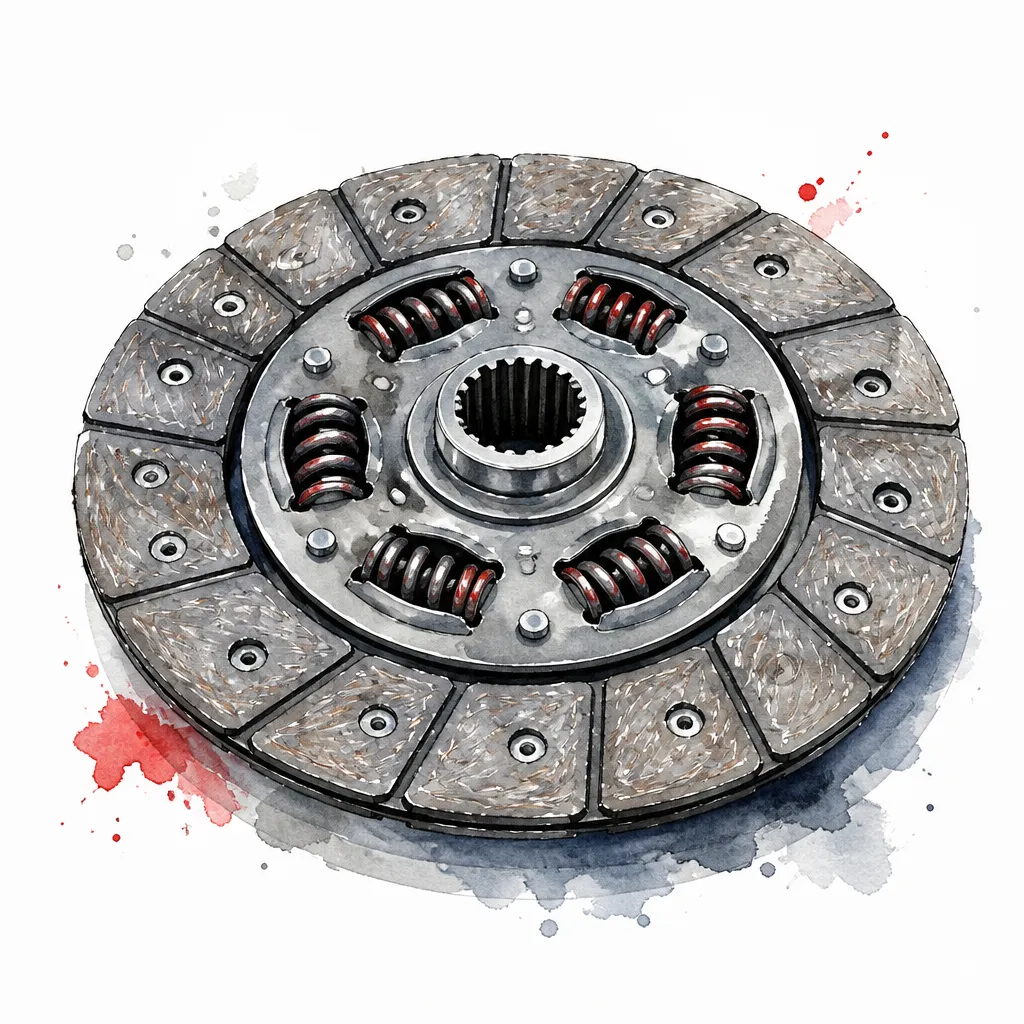
A clutch lets the engine, which never stops turning while running, be coupled to and uncoupled from the gearbox. At its heart is a friction disc clamped between the engine's flywheel and a spring-loaded pressure plate. When the clutch is engaged, the disc is squeezed tight and engine and gearbox spin together. When it is released, the disc is freed and power flow is broken, which is what lets you change gear or sit stationary in gear. In a traditional manual car the driver controls this with the clutch pedal. In a dual-clutch gearbox, such as Volkswagen and Audi DSG or S-tronic units, two clutches are managed automatically by the mechatronic unit, one handling the odd gears and one the even, so shifts are near instant. The friction disc is a wear item: as it thins, the clutch starts to slip, the engine speed rises without matching acceleration, and a burnt smell can appear after a hard climb.
Why it matters in Singapore
True manual cars are now rare on Singapore roads, but dual-clutch automatics are everywhere on European models. Their clutches do their hardest work in stop-start traffic, where constant creeping and pulling away generates heat and slip at low speed. A dual-clutch pack that is overheated by years of jams will start to judder when moving off. With cars often kept for the full ten-year COE life, clutch wear is something many owners will eventually meet.

How Revol Carz handles this
Revol Carz Garage diagnoses clutch symptoms by reading transmission fault codes, checking clutch adaptation values, and confirming slip or judder on a road test before quoting any work. On BMW, Mercedes, Audi, and Volkswagen we service dual-clutch transmissions with the correct fluid and advise clearly when wear has reached the point that the clutch pack needs attention.