Guide coat
A guide coat is a thin contrasting layer of dry powder or paint dusted over primer so that block-sanding clearly reveals high and low spots on a panel.

What it means
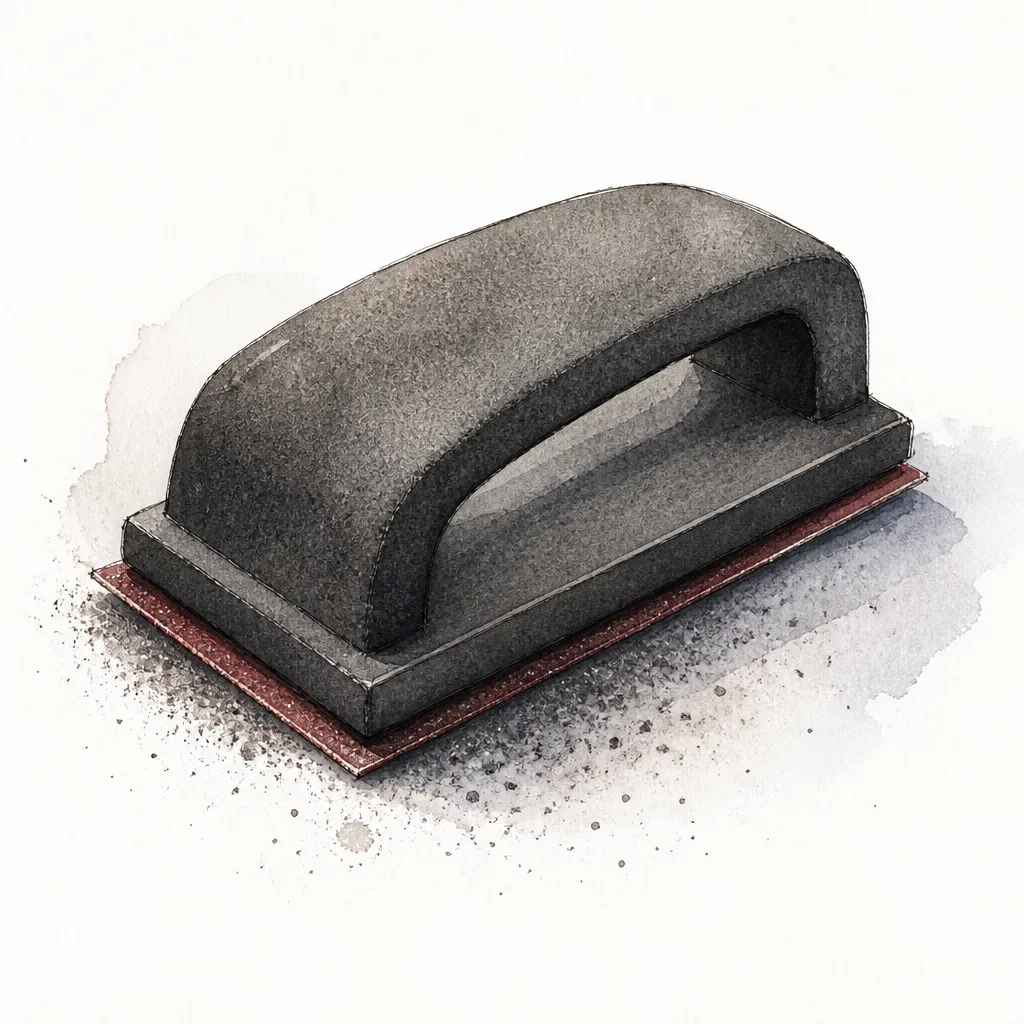
A guide coat is a quick checking trick used during the primer stage of bodywork. After high-build primer is sprayed, a painter dusts a thin contrasting layer over it: either a dry pigment powder applied with an applicator, or a very light mist of a contrasting colour. The panel is then block-sanded. Because the guide coat sits in the surface, sanding cuts it off the high points first while it lingers in the low points and inside every fine scratch. The painter reads the result by eye: anywhere the guide coat colour is still visible is a low spot that needs more primer or filler, and a uniform clean cut means the panel is flat. It costs almost nothing and a few minutes, but it turns levelling a panel from guesswork into something you can see.
Why it matters in Singapore
The whole point of a guide coat is catching imperfections before they are sealed under colour and clear, where fixing them means stripping back and starting again. On Singapore's roads, where bright sun and reflective carpark lighting expose every wave in a panel, a guide-coated and properly blocked repair is the difference between bodywork that disappears and bodywork you can spot from across the lot. It is a small discipline that protects the owner from a repaint they would otherwise be asking for a month later.

How Revol Carz handles this
At Revol Carz, primed panels are guide-coated and block-sanded flat before any base coat is applied, so low spots are found and corrected at the primer stage rather than after painting. This sits inside our standard Spies Hecker process with oven-baked curing in the Italian Saima dust-free booth at Toh Guan. Owners get WhatsApp updates as the car moves through prep, primer, and topcoat.