TPMS (Tyre Pressure Monitoring System)
TPMS, or Tyre Pressure Monitoring System, is the in-car system that warns the driver when one or more tyres are running below the recommended pressure.

What it means
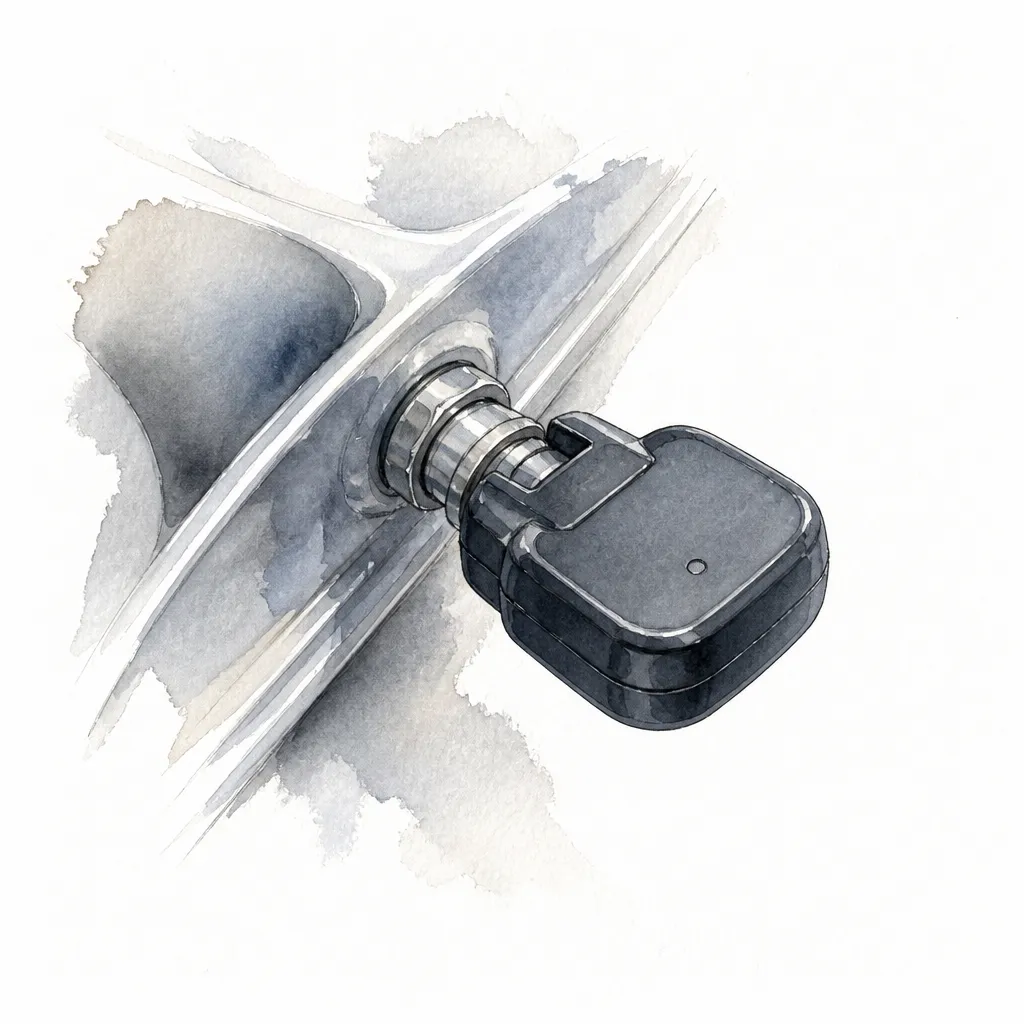
TPMS comes in two flavours. Direct TPMS uses a small battery-powered sensor mounted inside each wheel (usually on the valve stem) that measures the actual pressure and temperature, and broadcasts those readings wirelessly to the car's control unit. Direct TPMS is more accurate, often shows per-wheel pressures on the dashboard, and lights up a warning when any tyre drops more than the threshold percentage below spec. Indirect TPMS infers pressure from wheel-speed differences read off the ABS sensors: a low tyre rolls slightly faster (smaller diameter), so the system flags the discrepancy. Indirect TPMS has no battery to fail but is less accurate and needs a manual recalibration after every tyre rotation or pressure change. Most modern European cars use direct TPMS. Sensors typically last seven to ten years before the internal battery dies, at which point the sensor needs replacement (and re-pairing to the car for many marques).
Why it matters in Singapore
Singapore's daily temperature swings change tyre pressure visibly: a tyre set correctly in the cool morning reads higher by midday. Combined with the slow leak rate that all tyres have, owners often see TPMS warnings without an obvious cause. Treating every TPMS warning seriously, checking pressures, and looking for slow leaks is one of the easier safety habits to build.

How Revol Carz handles this
Revol Carz Garage diagnoses TPMS sensor faults with brand-specific tools, replaces failed sensors with OEM units, and re-pairs them to the car after replacement so the dashboard reads correctly.