Wheel balancing
Wheel balancing is the process of adding small weights to a wheel and tyre assembly so it spins true at speed without vibration.

What it means
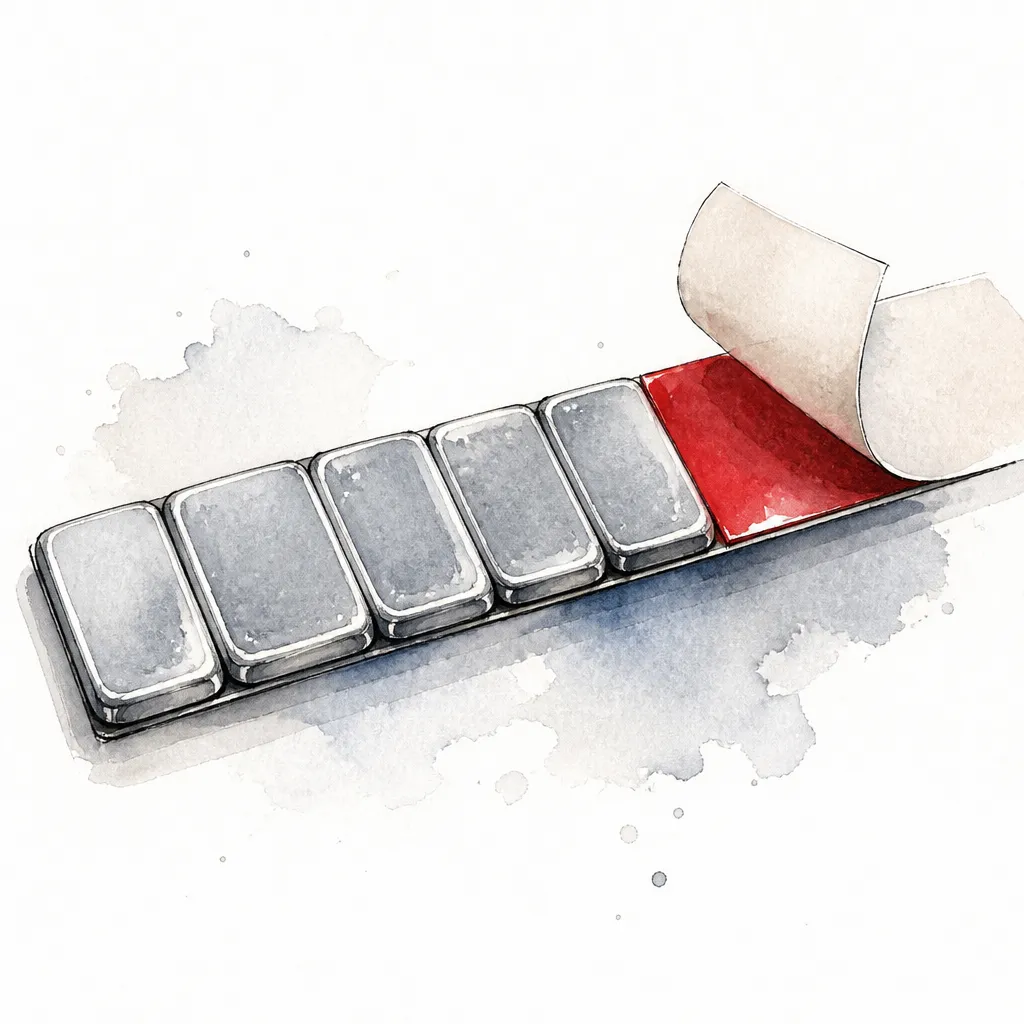
Every wheel-and-tyre assembly has tiny weight inconsistencies: the tyre's tread is not perfectly even, the wheel itself is not perfectly symmetrical, and even the valve adds mass in one spot. At low speeds those inconsistencies are imperceptible. At expressway speeds, the unbalanced assembly oscillates many times per second, which the driver feels as a steering-wheel vibration (front imbalance) or seat vibration (rear imbalance). Balancing solves it by spinning the assembly on a calibrated balancing machine that measures where the heavy spots are, then attaching small lead or steel weights to the wheel rim at the opposite locations. Balancing is done every time a tyre is mounted, and it should be redone if the car develops a vibration after a kerb hit or pothole impact (which can shift weights or damage the tyre). Modern European wheels often need adhesive weights on the inside face rather than clip-on weights to keep the visible rim clean.
Why it matters in Singapore
Singapore expressway speeds (PIE, SLE, KPE, AYE) are high enough to surface even small wheel imbalances. A vibrating steering wheel at 90 to 100 km/h is the first sign. Catching it early is cheap; ignoring it accelerates wear on suspension bushings, wheel bearings, and tie rods.

How Revol Carz handles this
Revol Carz Garage balances every newly mounted tyre on a calibrated machine and rebalances on request when vibrations appear. Adhesive weights used on European wheels with visible rims.