Wheel bearing
A wheel bearing is the assembly that lets a wheel spin smoothly on its hub, and a worn one produces a droning hum that rises and falls with road speed.

What it means
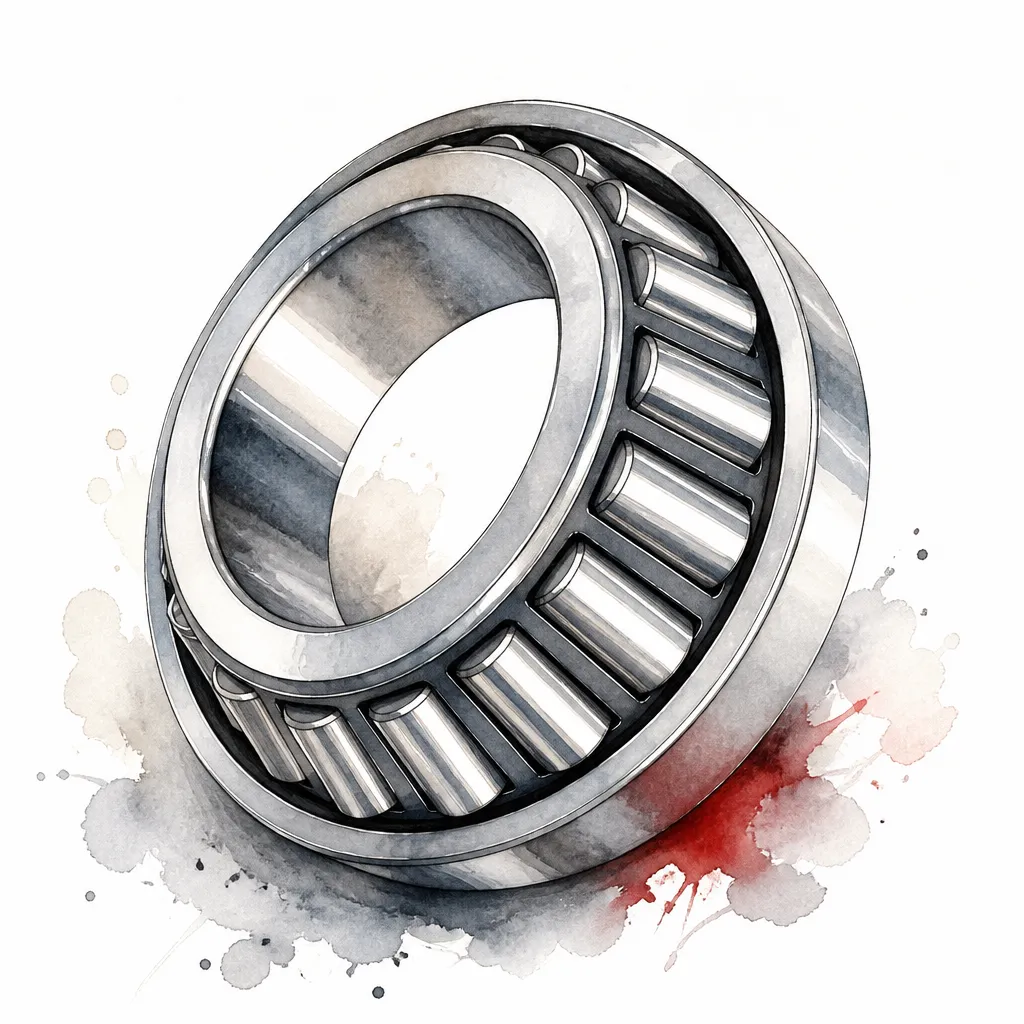
Every wheel turns on a bearing: a set of hardened steel balls or tapered rollers running between two precision races, packed with grease and sealed against water and dirt. The bearing carries the full weight of the car, absorbs the side loads of cornering, and on most modern cars it is built into the hub as a sealed unit. A healthy bearing is silent. As it wears, the grease breaks down and the races pit, and the wheel develops a faint play and a low-frequency hum. The classic symptom is a droning or growling noise that gets louder with speed and often changes pitch when you sway the car gently left and right, because weight shifts off the failing side. Left long enough, a bearing can seize or allow enough play to upset the brakes and ABS sensor reading. It is a wear item, not a scheduled-replacement part, so it is replaced when diagnosed rather than on a fixed interval.
Why it matters in Singapore
Wheel bearings here take a beating from kerbs at carpark entrances, expansion joints on the expressways, and the occasional flooded road during a heavy downpour. Water that gets past a tired seal washes the grease out and rusts the races from the inside. Because the hum builds slowly, many owners get used to it and only notice once it is loud. Catching it early keeps a small bearing job from turning into hub, brake, or sensor damage.

How Revol Carz handles this
Revol Carz Garage diagnoses wheel bearing noise by jacking each corner, checking for play and roughness by hand, and confirming the side with a road test before any parts are quoted. We replace failed bearings or hub units with OEM-grade parts on BMW, Mercedes, Audi, and Volkswagen, torqued to the manufacturer's figures, and re-check the ABS reading afterward.