
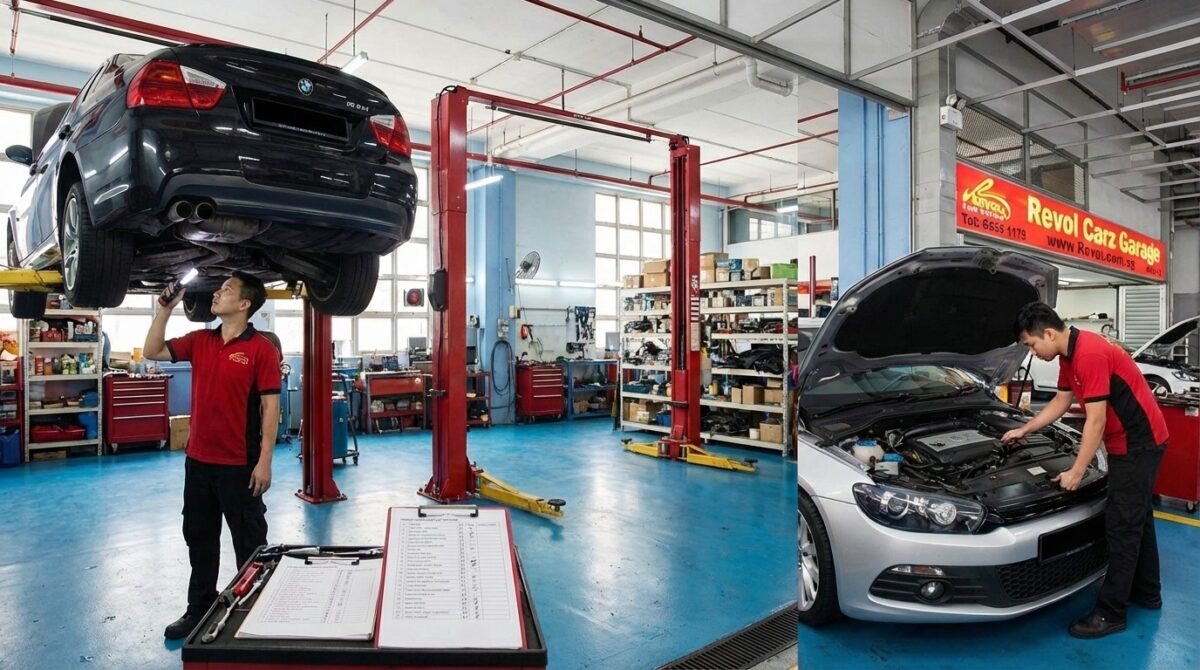
A 36-point safety check is a structured inspection that reviews key parts of a car that affect safety, basic drivability, and road readiness. It is often used before a long drive, after buying a used car, or when you notice small changes like longer braking distance, steering vibration, or uneven tyre wear.
The number “36” simply means the checklist usually includes 36 items. Different workshops may group or count items in slightly different ways, but the goal is the same: to spot common risks early, before they become costly repairs or safety issues.
What a 36-Point Safety Check Usually Covers
A typical checklist focuses on parts that are most likely to affect control, stopping distance, visibility, and stability. These checks are usually visual, measurement-based, or quick functional tests. It is not the same as a full teardown inspection.
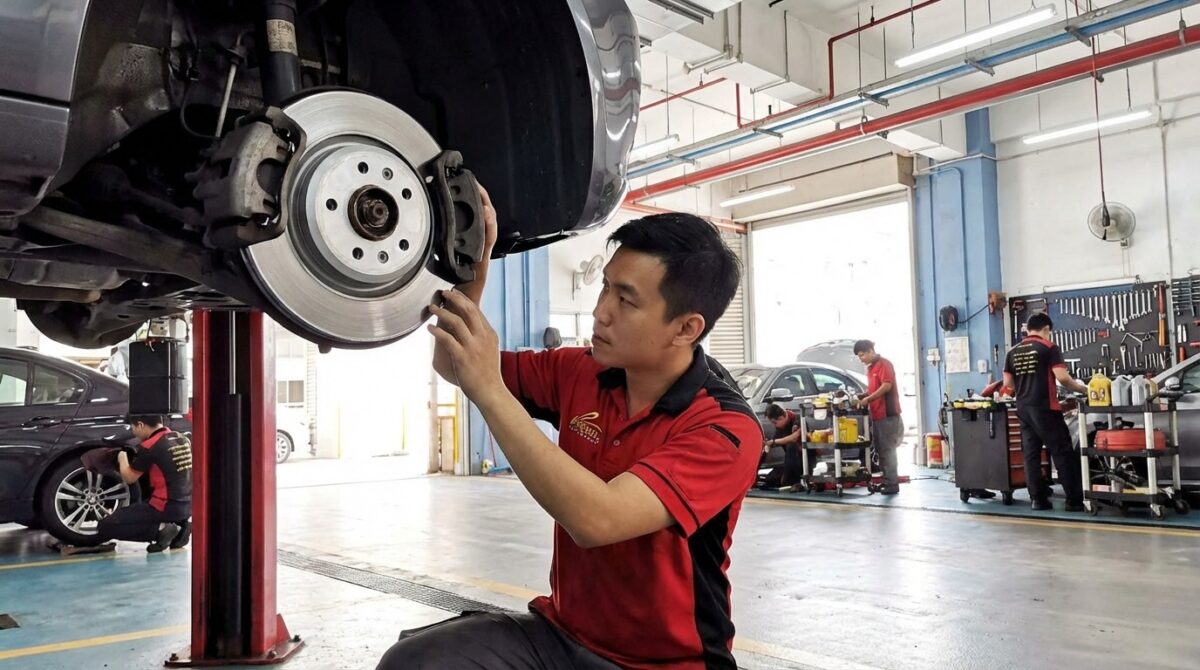
- Brakes: pad thickness, disc condition, brake fluid level, signs of leaks, basic brake response
- Tyres and wheels: tread depth, tyre condition, tyre pressure, uneven wear patterns, wheel nut condition
- Steering and suspension: ball joints, bushings, shocks, mounts, steering feel, unusual movement or noise signs
- Lights and visibility: headlamps, brake lights, turn signals, reverse lights, wiper condition, washer spray
- Battery and charging: battery health signs, terminals, charging output indicators
- Fluids and leaks: engine oil level, coolant level, power steering fluid (if applicable), transmission fluid (if accessible), visible leaks
- Belts and hoses: cracks, fraying, swelling, loose clamps, aging rubber signs
- Basic undercarriage check: visible damage, loose panels, exhaust condition and mounting
- Cabin safety basics: seat belt function, horn, warning indicators on the dashboard
Some workshops also include a quick scan for fault codes or a short road test, depending on the package and time required.
Why This Check Is Useful in Singapore
Singapore driving conditions can be tough on certain parts of a car. Heat, rain, stop-start traffic, and frequent short trips can speed up wear on tyres, brakes, wipers, and battery systems.
- Heavy traffic: more braking and slower speeds can increase brake wear over time
- Rainy weather: wipers, tyres, and lights become more important for visibility and grip
- Heat and humidity: can affect batteries, rubber parts like hoses, and fluid condition
- Short trips: can stress batteries and may not fully warm up the engine consistently
When to Consider a 36-Point Safety Check
This type of inspection is most helpful when you want a quick, practical view of your car’s condition without doing a full diagnostic deep dive.
- Before a long drive or holiday trip
- After buying a used car, even if it feels fine
- Before renewing insurance or planning maintenance
- If the car has been sitting unused for weeks
- When you notice new sounds, vibration, or reduced braking confidence
- When tyres show uneven wear or pressure drops often
What You Will Usually Receive After the Check
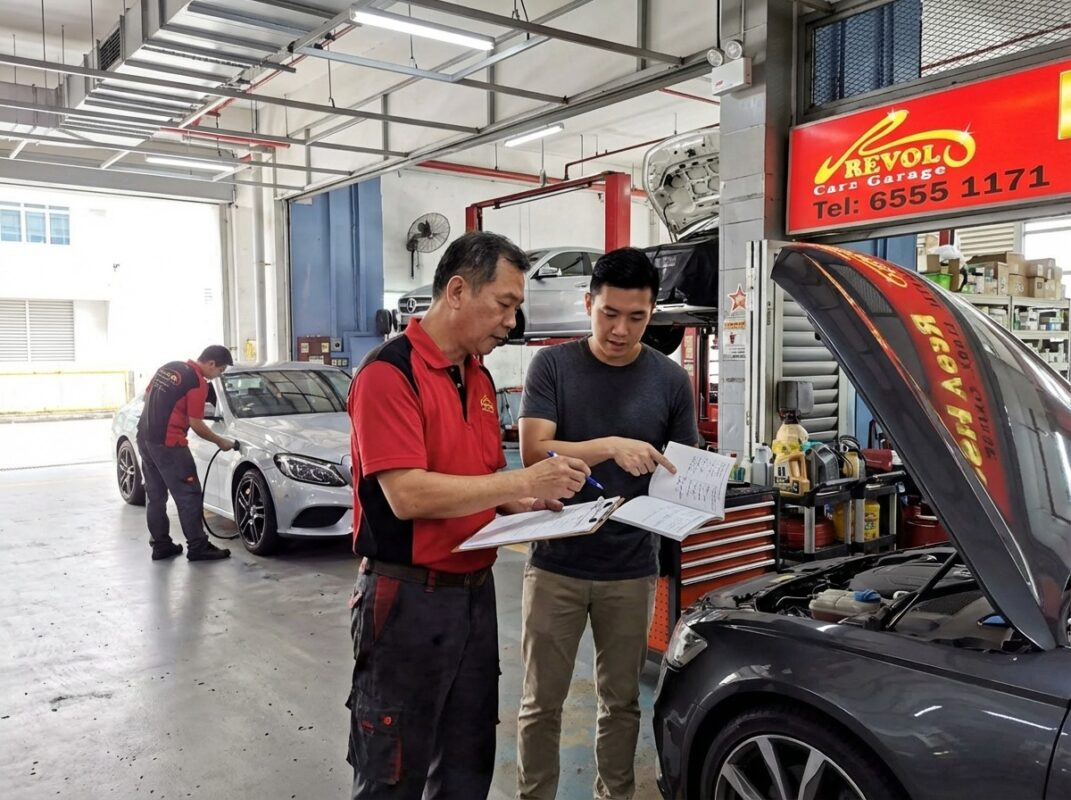
Most safety checks end with a summary of what looks normal and what needs attention. It may include simple notes like “monitor soon” and “replace now.” This helps you plan repairs in a calmer way instead of reacting to a breakdown later.
- Checklist results for each item
- Notes on wear level and visible risks
- Recommended next steps with priority
- Optional quotes for parts and labour, depending on the workshop
What a 36-Point Safety Check Does Not Replace
A checklist inspection is not the same as a full diagnostic or a major service. If you have a warning light on the dashboard, a strong burning smell, heavy smoke, or major fluid loss, you may need a deeper diagnostic test instead of, or in addition to, a basic safety check.
- It does not guarantee that every hidden issue will be found
- It may not include advanced testing of internal engine or gearbox condition
- It may not include wheel alignment, balancing, or a full brake strip-down unless stated
Think of it as a practical snapshot: a quick way to spot common safety risks and avoid surprises.
Common Items That Often Get Flagged
Many cars pass most items, but a few parts commonly show wear. Knowing these in advance helps you understand the report and decide what to fix first.
- Brake pads: worn pads can increase stopping distance and cause squealing sounds
- Tyre wear: uneven wear may point to alignment or suspension issues
- Wipers: streaking reduces visibility during heavy rain
- Battery health: weak batteries can fail without much warning
- Fluid seepage: small leaks can grow into larger problems over time
How to Prepare Before You Go
You do not need to do much, but these small steps can help the inspection go smoothly and make the results clearer.
- Note any symptoms you have noticed, such as noise, vibration, or pulling to one side
- Bring your last service record if you have it
- Check that personal items are removed from areas that may need access
- Ask if the checklist includes tyre pressure check and tread measurement
How to Read the Results
If your report uses categories, these simple meanings are common:
- OK: The item looks normal based on the checks done
- Monitor: the item is still usable but showing early wear or ageing signs
- Recommend replacement: the item is nearits limit, unsafe, or likely to fail soon
- Further diagnosis: more testing is needed to confirm the exact issue
If you are unsure why something is flagged, ask for a brief explanation and, when possible, a quick look at the part. Clear visuals make decisions easier.
FAQ
How long does a 36-point safety check take?
Many checks can be done within a short visit, especially if it is a visual and measurement-based inspection. The time can vary based on the checklist detail and how busy the workshop is.
Is a 36-point safety check the same as a vehicle inspection?
No. A safety check is a workshop inspection list. A formal vehicle inspection may follow different rules and requirements. A safety check is usually done to help you understand your car’s condition and safety risks.
Can a 36-point safety check detect engine or gearbox problems?
It can sometimes spot warning signs like leaks, abnormal noises, or fault lights, but it does not replace a full diagnostic test. If you have strong symptoms, ask for deeper checks.
Should I do this before buying a used car?
Yes, it can help you spot common wear items and visible issues early. For higher confidence, consider a more detailed pre-purchase inspection if available.
What should I fix first if several items are flagged?
Start with safety-critical parts like brakes, tyres, steering, suspension, and lights. Then handle items related to reliability, such as battery condition and fluid leaks.


