
Spark plug replacement is a common car maintenance job where the old spark plugs are removed and new ones are fitted. Spark plugs are small parts that create the spark needed to ignite the air and fuel mixture in a petrol engine. When they wear out, the spark can become weak or inconsistent. This can lead to a misfire, which is when one or more cylinders do not burn fuel properly.
Replacing spark plugs can be a direct and practical way to fix many misfire problems. It can also improve smoothness, fuel use, and starting performance. However, misfires can have more than one cause, so spark plug replacement is usually part of a sensible check rather than a guess.
What a misfire feels like
A misfire often shows up as a change in how the car feels and sounds. Some drivers notice it only at idle, while others feel it during acceleration or when driving uphill.
- Rough idle, with shaking or uneven vibration
- Jerking or hesitation when pressing the accelerator
- Loss of power, especially under load
- Hard starting or longer cranking before the engine fires
- Engine warning light coming on (sometimes flashing during severe misfire)
- Higher fuel use than usual
- Stronger fuel smell from the exhaust in some cases
If the warning light is flashing, it is usually safer to reduce speed and avoid heavy acceleration. A severe misfire can increase exhaust heat and may damage emissions parts over time.
Why spark plugs cause misfires
Spark plugs wear out naturally. Over time, the tip can erode, deposits can build up, and the gap can widen. When the spark is weaker, ignition may not happen at the right time, or may not happen at all. This is one of the most common reasons a petrol engine misfires.
Misfires linked to spark plugs are more likely when:
- The plugs are overdue for replacement based on service interval
- The engine runs hot often, such as in heavy traffic
- Short trips are common, which can increase deposits
- The wrong plug type has been installed in the past
- Oil or coolant leaks into the plug area
It is worth noting that diesel engines do not use spark plugs. They use a different ignition method, so a misfire investigation will follow a different path.

Related parts that may also be involved
A misfire can be caused by more than the spark plug itself. The plug is part of an ignition and fuel system working together. If new plugs do not solve the problem, the next checks often include:
- Ignition coils or coil packs (weak spark delivery)
- Plug wires (on older cars) and connectors
- Fuel injectors (blocked or uneven spray)
- Air leaks (vacuum leaks causing a lean mixture)
- Air intake and throttle body issues
- Sensor faults that affect fuel and timing
- Low compression from internal engine wear
Because several problems can feel similar, a proper check helps avoid replacing parts that are still working well.
How spark plug replacement is usually done
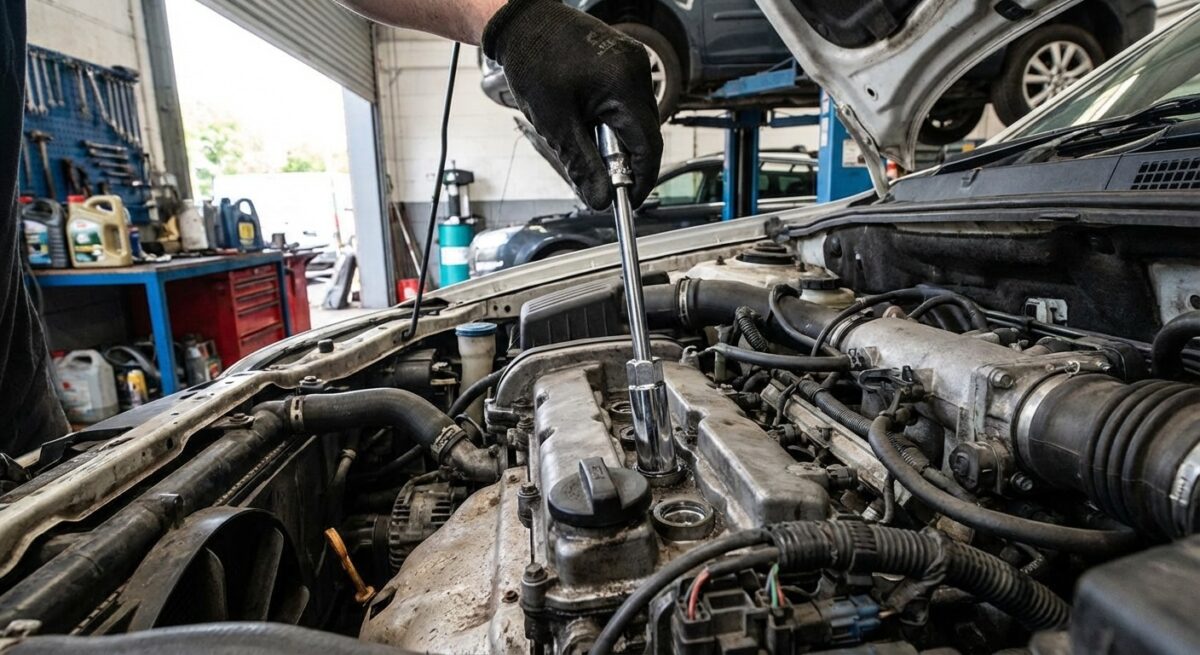
The exact steps depend on the engine layout. Some cars have easy access, while others require removal of covers or intake parts. In general, the process is straightforward and should be done carefully to avoid damaging threads or connectors.
- Confirm symptoms and scan for fault codes, if needed
- Remove engine cover and access ignition coils or wires
- Remove coils, then remove old spark plugs using the correct socket
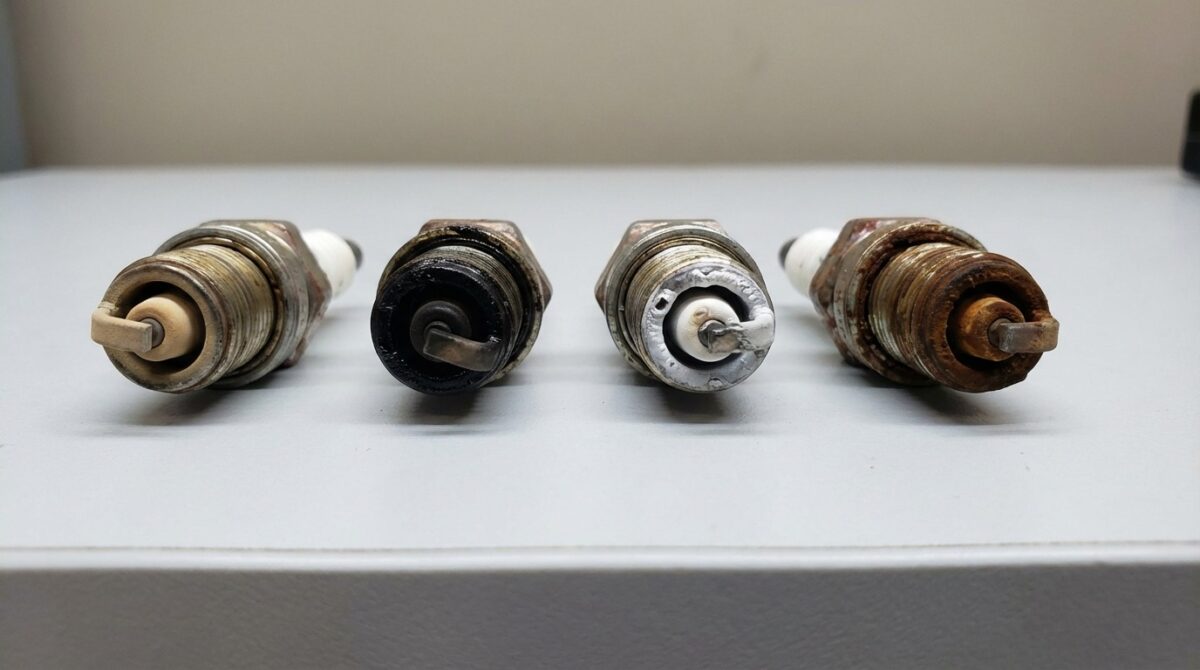
- Inspect old plugs for clues such as deposits, oil staining, or overheating
- Check the new plugs match the correct specification
- Install new plugs with the right seating method and torque
- Refit coils and connectors, then test idle and acceleration
In some cases, spark plug replacement is combined with coil replacement, especially if coils are known to fail on the model or fault codes point to weak ignition on a specific cylinder.
Signs your spark plugs may be overdue
Even without a clear misfire, worn spark plugs can cause small changes that build up over time. Paying attention to early signs can help prevent larger issues.
- The engine feels less responsive than before
- Idle is slightly uneven, especially when the air conditioning is on
- Starting takes longer on some mornings
- Fuel consumption slowly increases without other changes
- Service history shows plugs have not been changed for a long time
Service intervals vary by car and spark plug type. Some plugs last much longer than others. Checking the owner’s manual or service schedule is a reliable guide.
What the old spark plugs can tell you
Removed spark plugs are useful for understanding what is happening inside the engine. Their condition can hint at whether the misfire is likely to be solved by plugs alone, or if other checks are needed.
- Worn tip or wide gap: normal wear, can cause weak spark and misfire
- Heavy black deposits: can be linked to rich running or frequent short trips
- Oil on the plug: may suggest an oil leak or internal oil burning
- White blistering: can point to overheating or lean running
- One plug looks different from the rest: may indicate a cylinder-specific issue
These observations are not a full diagnosis by themselves, but they are helpful evidence when deciding next steps.
After replacement: what to expect
If worn spark plugs were the main cause, the improvement can be noticeable right away. The engine may idle more smoothly, accelerate more cleanly, and start faster. If the misfire remains, it usually means another part or condition is involved. In that case, fault codes, live data, and cylinder checks can help narrow down the cause.
It can also help to keep a simple record of when the plugs were replaced and what type was used. This makes future maintenance easier and can prevent repeat issues.
Glossary notes
- Spark plug: A component that creates a spark to ignite fuel in a petrol engine.
- Misfire: When a cylinder does not burn the fuel mixture properly, causing rough running or power loss.
- Cylinder: A chamber in the engine where fuel and air burn to produce power.
- Ignition coil: An electrical component that boosts voltage to create a strong spark.
- Fault code: A stored code from the car’s computer that can point to the area of a problem.
FAQs
Can spark plug replacement fix a misfire right away?
Yes, if the misfire is caused by worn or faulty spark plugs. Many misfires in petrol engines are ignition-related. If the misfire continues after replacement, other causes such as coils, injectors, or air leaks may need checking.
How do I know if my car has spark plugs?
Most petrol cars have spark plugs. Diesel cars do not use spark plugs for ignition, so misfire causes and checks are different. If you are unsure, your owner’s manual usually states the engine type.
Is it safe to keep driving with a misfire?
It depends on severity. A mild misfire may feel like a small hesitation, but a strong misfire can cause the engine warning light to flash. Continuing to drive hard with a severe misfire can increase exhaust heat and may lead to further damage.
How often should spark plugs be replaced in Singapore?
There is no single rule because it depends on the car model and plug type. Many cars follow a kilometre-based interval in the service schedule. Heavy traffic, heat, and frequent short trips can make earlier checks more useful.
Will new spark plugs improve fuel consumption?
They can, especially if the old plugs were worn and causing weak ignition. A smoother and more complete burn can reduce wasted fuel. If fuel use stays high, it may point to other issues that affect the air and fuel mixture.

