
Brake pad and disc replacement is a routine car maintenance job that helps your vehicle stop safely and smoothly. Brake pads press against brake discs to slow the wheels down. Over time, both parts wear out due to heat and friction. Replacing them at the right time improves braking performance, reduces noise, and lowers the chance of damage to other brake components.
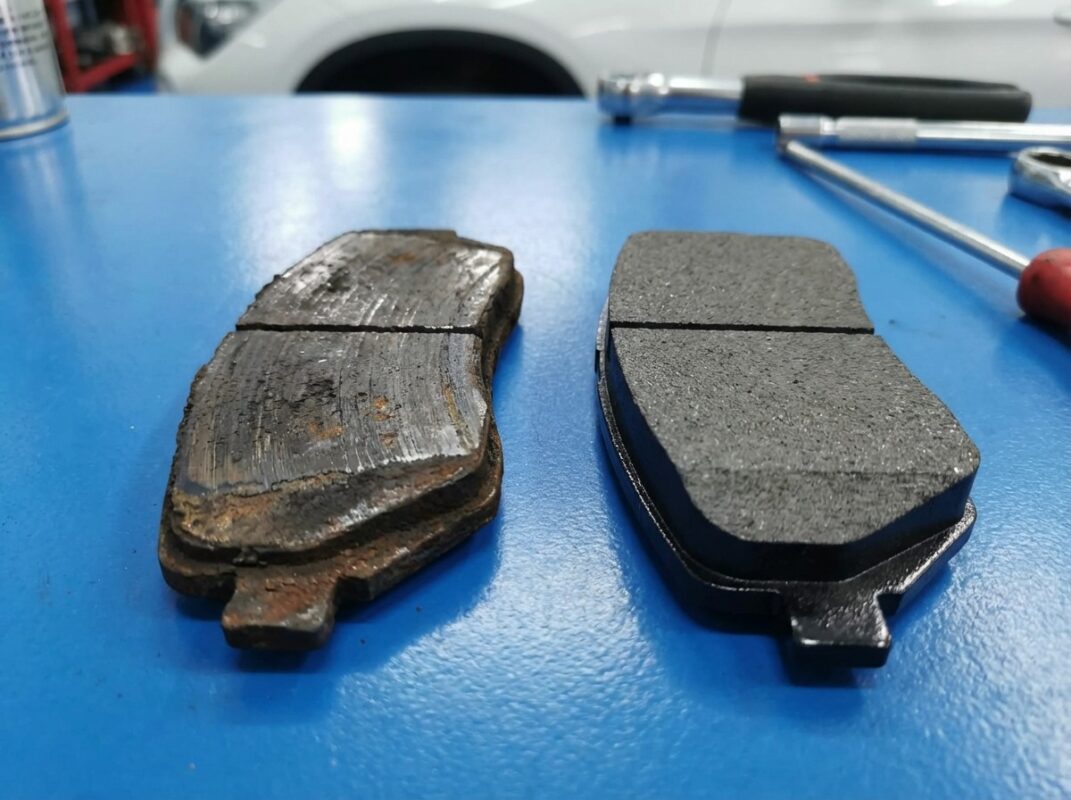
In Singapore, regular braking in heavy traffic and stop start driving can wear brake pads faster than expected. Wet weather can also affect braking feel if the brake system is already worn. Knowing the basics can help you spot issues early and plan maintenance before it becomes urgent.
What brake pads and brake discs do
Your braking system works by turning movement into heat. When you press the brake pedal, brake fluid pushes the brake calliper. The calliper squeezes the brake pads against the brake disc, which slows the wheel and helps the car stop.
- Brake pads are the friction material that wears down first.
- Brake discs are the metal rotors the pads clamp onto. They can wear, warp, or develop grooves.
- Brake callipers hold the pads and apply pressure when braking.
When replacement is usually needed
There is no single mileage that fits every car. How often you need brake pad and disc replacement depends on driving habits, vehicle type, load, and road conditions. Many drivers replace pads more often than discs. Discs can last longer, but they still wear down and must stay within safe thickness limits.
Replacement may be needed sooner if you:
- Drive often in peak hour traffic with frequent braking
- Do short trips where brakes do not fully dry after rain
- Carry heavy loads or have a larger vehicle
- Drive on slopes or hilly car parks regularly
Common signs your brake pads or discs may be worn
Some warning signs are easy to notice, while others are more subtle. If you experience any of the symptoms below, it is worth having the brakes checked.
- Squealing or high pitched noise when braking
- Grinding sound, which may suggest the pads are fully worn
- Vibration through the steering wheel or brake pedal
- Longer stopping distance than usual
- Brake pedal feels soft, spongy, or lower than normal
- Car pulls to one side when braking
- Visible grooves or scoring on the disc surface
Note that brake noise can also come from dust, moisture, or the pad material itself. A proper inspection helps confirm whether replacement is needed.
Brake pad replacement vs brake disc replacement
Brake pads are designed to be replaced more often. Brake discs are replaced when they are too thin, badly grooved, warped, cracked, or heat damaged. In some cases, discs may be resurfaced, but this is only suitable if there is enough thickness left and the disc is still within manufacturer limits.
- Replace pads only when discs are still smooth, true, and within safe thickness.
- Replace pads and discs together when discs are worn or damaged, or when braking vibration suggests disc issues.
- Replace in pairs on the same axle for balanced braking (both front or both rear).
Replacing pads on worn discs can cause uneven contact, noise, and faster pad wear. Replacing both together can improve feel and consistency.
What happens during a brake pad and disc replacement
A typical replacement process includes inspection, removal, fitting, and testing. The exact steps vary by car model, but the overall approach is similar.
- Remove the wheel to access the brake assembly
- Inspect pads, discs, callipers, and brake lines
- Measure disc thickness and check for runout or warping
- Remove worn pads and discs (if required)
- Clean contact points and apply suitable lubricant where needed
- Fit new discs and new pads
- Reinstall and torque wheels correctly
- Perform a brake test and check pedal feel
Depending on the condition of the brake fluid, a brake fluid check may also be recommended as part of routine safety maintenance.
How long the job can take
Time can vary based on car type and whether the discs are being replaced. In many cases, replacing pads and discs on one axle can take around one to two hours. Complex models, seized bolts, or extra checks can take longer.
If you are planning around your day, it helps to allow extra time for inspection and a final test drive to confirm smooth braking.
Choosing the right brake parts
Brake pads and discs come in different materials and quality levels. The right choice depends on your vehicle, driving style, and comfort preferences such as noise and dust.
- Comfort focused pads tend to be quieter and smoother for daily driving.
- Low dust pads can help keep wheels cleaner, though performance still depends on the pad compound.
- Performance pads may handle heat better but can be noisier and need warming up.
For most daily drivers in Singapore, balanced parts that offer stable braking, low noise, and consistent feel are usually the practical option.
After replacement: bedding in and early care
New brake pads and discs need a short running in period, often called bedding in. This helps the pad surface mate evenly to the disc and improves braking feel over time.
- Avoid harsh braking for the first 200 to 300 km where possible
- Do gentle, steady stops to build an even transfer layer
- Avoid keeping the brake pedal pressed after a hard stop, as heat can mark the disc
- Listen for unusual noises and monitor pedal feel
Light smell or mild noise can happen early on. It should reduce after the bedding in period. If the noise is loud, constant, or braking feels unsafe, a recheck is recommended.
Why timely replacement matters
Worn pads can reduce braking power and can damage discs once the friction material is gone. Worn or warped discs can cause vibration and uneven braking. Replacing parts at the correct time can help you maintain predictable stopping, especially during sudden braking in traffic or wet roads.
Good brakes support overall vehicle safety. They also protect other components by reducing excessive heat and stress in the braking system.
Quick checklist before booking a replacement
- Note any noise, vibration, or changes in pedal feel
- Check if warning lights are on (if applicable)
- Consider your recent driving conditions and mileage
- Ask for disc thickness measurement and pad remaining thickness
- Replace pads and discs in pairs on the same axle
FAQ
How do I know if I need brake pad replacement or disc replacement?
Brake pad wear often causes squealing, while disc issues can cause vibration or pulsing when braking. A proper inspection measures pad thickness and disc condition to confirm what needs replacing.
Can I replace brake pads without replacing discs?
Yes, if the discs are still smooth, not warped, and within safe thickness limits. If discs are worn, grooved, or uneven, replacing pads only may lead to noise and uneven wear.
Should I replace front brakes and rear brakes at the same time?
Not always. Front brakes often wear faster than rear brakes. However, brakes should be replaced in pairs on the same axle to keep braking balanced.
Is it normal for new brakes to make noise?
Mild noise can happen during the early bedding in period. If noise is loud, constant, or includes grinding, the brakes should be checked to confirm correct installation and part fit.
How can I make my brake pads and discs last longer?
Brake smoothly, keep a safe distance to avoid sudden stops, and reduce heavy braking where possible. Regular inspections help catch early wear before it damages discs or other parts.

